Quick Listen:
Sales meetings often carry a difficult responsibility: they must deliver important information while also creating the energy, alignment, and connection teams need to perform. A meeting that relies only on presentations and updates can leave attendees with information but little motivation to act. The challenge is not simply fitting more content into the agenda. It is designing an experience that helps people understand the message, connect it to their role, and remember what matters.
When your most important meeting, launch, summit, or training experience needs to move people, every detail matters. Strategy guides the work. Creativity shapes the story. Precision brings it to life. DEVLINHAIR Production & Learning designs and produces action-driven meetings, live events, and training experiences that move audiences. From our New York City studio, DEVLINHAIR helps organizations bring complex ideas, leadership priorities, and learning moments to life with clarity, purpose, and production precision. Ready to create a hybrid experience your audience can follow, feel, and act on? Let’s talk.
Why Traditional Sales Meetings Often Struggle to Maintain Engagement
Many sales meetings are built around business updates, performance reviews, product information, and strategic priorities. These elements are necessary, but the way they are delivered determines whether attendees remain active participants or passive listeners.
Engaging sales meetings require more than a well-organized agenda. They need intentional design that considers how people absorb information, interact with colleagues, and connect emotionally with shared goals. When attendees understand why a message matters and how it applies to their work, the meeting becomes a tool for alignment rather than a simple information exchange.
This shift is especially important for organizations bringing together distributed sales teams. Whether a meeting is held in person, virtually, or through a hybrid format, the experience needs to create opportunities for participation, conversation, and shared understanding.
Build Sales Meetings Around a Clear Purpose and Narrative
The most effective sales meetings begin with a clear purpose. Instead of treating the agenda as a collection of presentations, leaders can think about the meeting as a story with a beginning, middle, and outcome.
A strong narrative structure helps attendees understand the connection between company goals, customer priorities, and their own responsibilities. For example, a product update becomes more meaningful when it is connected to customer challenges, sales opportunities, and the larger business strategy.
Storytelling does not mean adding unnecessary entertainment. It means creating a logical journey that guides participants through important information. This approach can help teams retain key messages and leave the meeting with a stronger sense of direction.
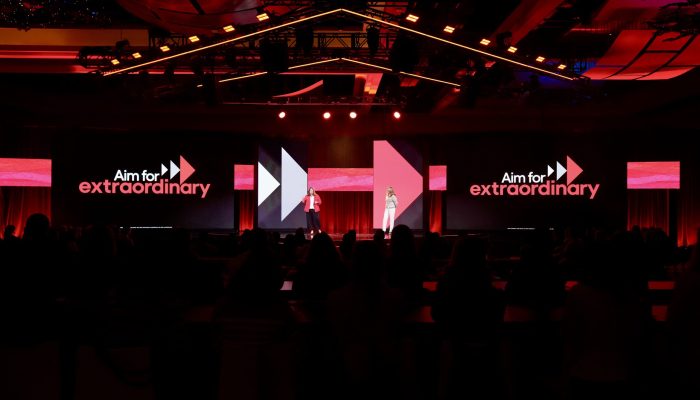
Large-scale sales gatherings demonstrate how thoughtful storytelling can transform an event experience. A Horizon national sales meeting used immersive staging and narrative design to help attendees move from uncertainty toward a shared sense of purpose. The approach shows how production elements can support communication goals when they are connected to the message rather than used simply for visual impact.
Create More Opportunities for Audience Participation
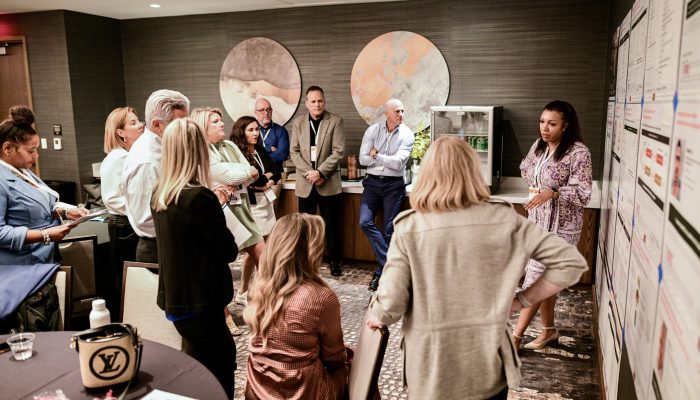
One of the most effective ways to improve sales meeting engagement is to move beyond one-way communication. When attendees are invited to participate, discuss, practice, and contribute, they become part of the experience.
Use Interactive Formats to Reinforce Learning
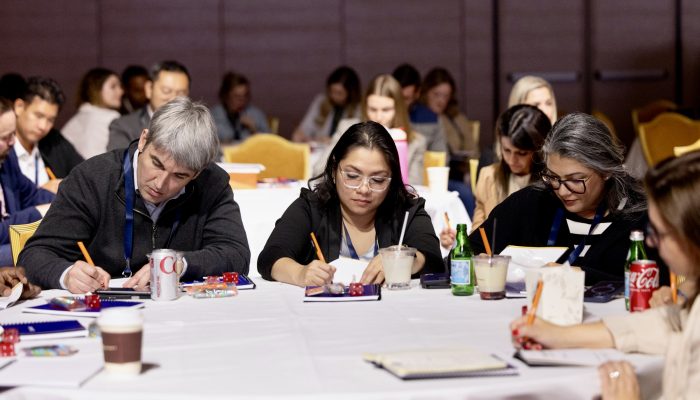
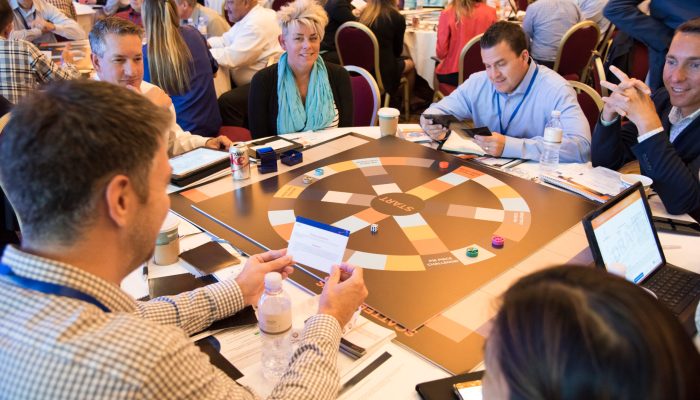
Interactive sales meeting ideas can include live discussions, breakout conversations, scenario-based exercises, team challenges, and opportunities for participants to share experiences. These formats help turn information into practical knowledge.
For sales teams, participation is particularly valuable because their daily work depends on communication, problem-solving, and adapting messages for different customers. A meeting that allows teams to practice these skills creates a stronger connection between the event and real-world performance. Company kickoff events provide a useful example of this approach. Industry guidance on successful kickoff experiences highlights the value of interactive elements such as role-playing scenarios, live practice sessions, polls, and breakout discussions to create stronger involvement rather than relying only on presentations. Interactive kickoff techniques can help organizations create more engaging environments where employees actively contribute.
Design Experiences That Support Connection Across Teams
Sales meetings are often important moments for strengthening relationships between leadership, sales representatives, and supporting teams. The experience should create space for conversations that may not happen during everyday work.
Connection can be encouraged through structured networking opportunities, peer discussions, collaborative activities, and moments where teams can exchange insights. These interactions help transform a meeting from a schedule of sessions into a shared experience.
For distributed teams, this becomes even more important. Virtual and hybrid formats need intentional engagement strategies so remote participants are not treated as observers. Thoughtful production choices, interactive technology, and clear participation opportunities help ensure every attendee feels included.
The goal of sales meeting experience design is not to make every moment highly produced. Instead, it is about choosing the right moments to create interaction, reinforce relationships, and support the meeting’s objectives.
Use Production Design to Strengthen the Message
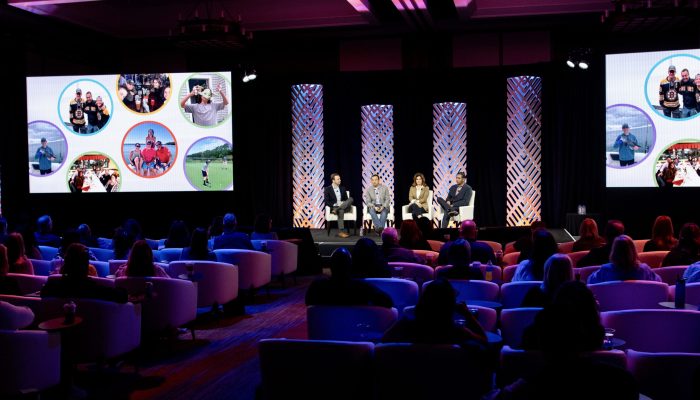
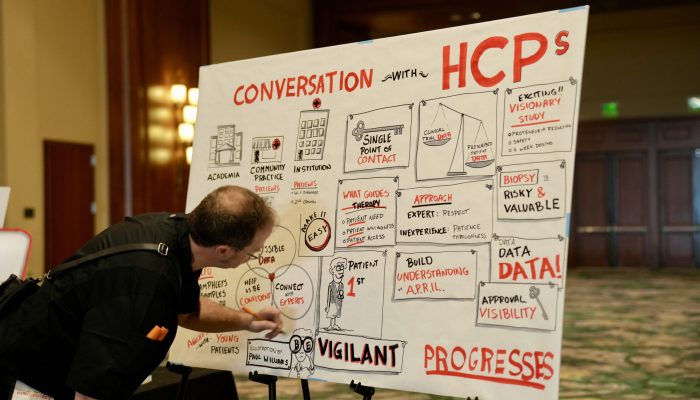
The environment surrounding a sales meeting influences how people experience the content. Room design, visual storytelling, staging, technology, and content flow all contribute to how effectively a message is delivered.
Production elements should support communication rather than compete with it. A visually impressive presentation has limited impact if attendees do not understand the purpose behind it. The strongest experiences use design choices to make important ideas easier to understand and remember.
For DEVLINHAIR Production & Learning, effective experience design starts with a clear strategic foundation. We design and produce action-driven meetings, live events, and training experiences that move audiences.
This approach reflects a broader shift in corporate meetings: successful experiences are built by combining creative thinking with practical communication goals. Production strategy, learning design, and audience engagement work together to create meetings that support measurable business outcomes.
Consider Hybrid Capabilities When Planning Modern Sales Meetings
Hybrid meetings require more than adding a virtual audience to an in-person event. Strong hybrid experiences consider how every participant receives information, interacts with speakers, and connects with the wider group.
Organizations planning sales meetings should consider hybrid capabilities as part of the overall experience design process. This includes thinking through content delivery, audience participation, technology requirements, and the relationship between in-room and remote attendees.
Hybrid production works best when it is planned from the beginning rather than added as an afterthought. A well-designed approach can help organizations extend access, maintain engagement, and create a consistent experience for different audiences.
The same principles apply to virtual sales meetings. Clear structure, engaging content formats, and intentional interaction points help prevent digital fatigue and keep participants involved throughout the session.
Measure Engagement Through Meaningful Outcomes
Improving sales meeting participation is not only about creating excitement during the event. It is also about understanding whether the experience helped teams absorb information, connect with priorities, and apply what they learned.
Useful indicators may include participant feedback, discussion quality, follow-up actions, and how effectively teams apply meeting insights afterward. Measurement helps organizations refine future meetings and focus investment on the elements that create lasting value.
A successful sales meeting should leave attendees with more than notes from presentations. It should provide clarity, confidence, and a stronger connection to the organization’s goals.
How to Create More Engaging Sales Meetings
Creating engaging sales meetings requires a balance between strategy, storytelling, interaction, and production. The most effective meetings are designed around what attendees need to understand, experience, and do after the event.
- Create a clear narrative that connects business goals with audience needs.
- Use interactive formats that encourage participation and practical application.
- Design in-person, virtual, and hybrid experiences with equal attention to engagement.
- Use production elements to strengthen communication rather than distract from it.
- Evaluate outcomes to improve future meetings and learning experiences.
When sales meetings are approached as experiences rather than presentations, they become opportunities to align teams, reinforce strategy, and create meaningful connections. Thoughtful design helps organizations turn important moments into experiences that people remember and act on.
Frequently Asked Questions
How can organizations make sales meetings more engaging?
Organizations can make sales meetings more engaging by combining clear messaging, interactive formats, storytelling, and intentional audience participation. Approaches such as discussions, breakout activities, and practical exercises help teams connect meeting content to real business goals and improve engagement.
What are some interactive sales meeting ideas that improve team participation?
Interactive sales meeting ideas include live discussions, role-playing scenarios, team challenges, collaborative exercises, and opportunities for peer knowledge sharing. These formats encourage active participation and help sales teams apply new information in real-world situations.
How does sales meeting experience design improve corporate meetings and hybrid events?
Sales meeting experience design improves corporate meetings by creating a structured environment where content, technology, production, and audience engagement work together. For hybrid events, thoughtful planning helps both in-person and remote participants stay connected, involved, and aligned with the meeting objectives.
Disclaimer: The above helpful resources content contains general insights and perspectives for informational purposes only. The information provided is for general knowledge and does not constitute professional advice.
You may also be interested in: How Production Teams Balance Innovation With Reliability
When your most important meeting, launch, summit, or training experience needs to move people, every detail matters. Strategy guides the work. Creativity shapes the story. Precision brings it to life. DEVLINHAIR Production & Learning designs and produces action-driven meetings, live events, and training experiences that move audiences. From our New York City studio, DEVLINHAIR helps organizations bring complex ideas, leadership priorities, and learning moments to life with clarity, purpose, and production precision. Ready to create a hybrid experience your audience can follow, feel, and act on? Let’s talk.
Powered by flareAI.co