Quick Listen:
Corporate events are remembered for more than what appears on the agenda. A successful gathering creates a clear connection between the organization’s purpose, the audience’s expectations, and the experience delivered in the room or online. Whether the goal is aligning teams, introducing a new product, sharing knowledge, or strengthening relationships, memorable corporate events are built around intentional choices that make attendees feel involved rather than simply present.
When your most important meeting, launch, summit, or training experience needs to move people, every detail matters. Strategy guides the work. Creativity shapes the story. Precision brings it to life. DEVLINHAIR Production & Learning designs and produces action-driven meetings, live events, and training experiences that move audiences. From our New York City studio, DEVLINHAIR helps organizations bring complex ideas, leadership priorities, and learning moments to life with clarity, purpose, and production precision. Ready to create a hybrid experience your audience can follow, feel, and act on? Let’s talk.
The Most Memorable Events Start with a Clear Purpose
A corporate event becomes more effective when every element supports a specific objective. A keynote, breakout session, stage design, networking moment, or digital component should contribute to the larger message attendees are expected to understand and remember.
One of the biggest challenges for organizations is avoiding events that feel like a collection of disconnected presentations. Information alone does not always create engagement. Attendees need context: why the event matters, what they should take away from it, and how the experience connects to their role or relationship with the organization.
This is where strategic event design becomes important. The strongest experiences begin by identifying the desired outcome before considering production details. A leadership meeting may focus on alignment and decision-making, while a product launch may require clarity, excitement, and confidence in a new offering. The structure of the event should reflect those goals.
DEVLINHAIR Production & Learning approaches experiences through the connection between strategy, creativity, and execution. This approach supports action-driven meetings, live events, and training experiences designed around audience needs.
Storytelling Gives Corporate Events Meaning
Memorable corporate events often have one quality in common: they tell a story. Storytelling helps transform an event from a sequence of sessions into an experience with a beginning, middle, and end.
Storytelling in corporate events can help attendees connect emotionally with an organization’s message through a clear narrative. The story may appear through speaker content, visual design, production choices, interactive moments, or the way attendees move through the experience.
Corporate event storytelling does not require creating a dramatic performance. It means making sure each part of the experience supports the central message. For example, a company gathering focused on innovation may use session formats, visuals, demonstrations, and conversations that reinforce curiosity and collaboration.
When the narrative is intentional, attendees are more likely to understand the purpose behind the event. They leave with more than notes from presentations; they leave with a clearer impression of the organization’s priorities and message.
Audience Engagement Turns Attendance Into Participation
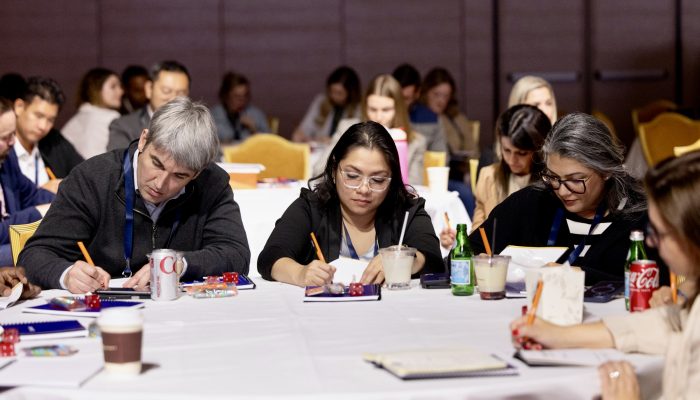
A memorable corporate event is designed around the attendee experience. People remember moments when they contribute, interact, and feel connected to what is happening around them.
Designing Experiences Around Audience Needs
Strong corporate event engagement strategies begin with understanding who is attending and what they need from the experience. Different audiences may require different approaches. Employees attending a training program may need opportunities to practice new skills, while customers attending a brand experience may value interaction, discovery, and meaningful conversations.
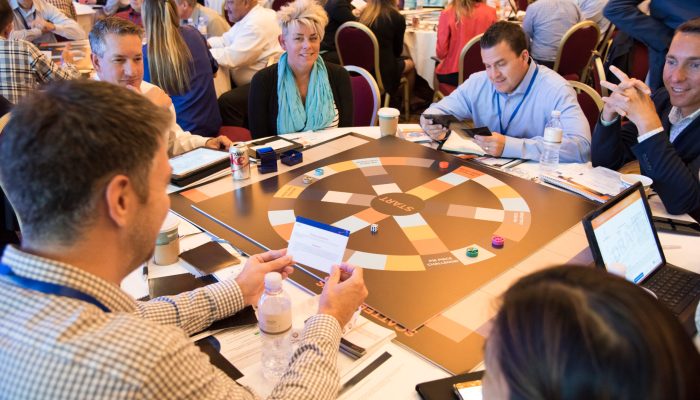
Engagement can take many forms, including audience participation, facilitated discussions, interactive learning, networking opportunities, and carefully designed environments. The goal is not to add activities simply for entertainment. Each interaction should support the purpose of the event.
Organizations planning meetings, learning experiences, and live events should consider how attendees move through the experience from arrival to departure. Every touchpoint can reinforce the message, create connection, and improve retention.
Personalization Makes Experiences Feel Relevant
Many memorable corporate events are built around a sense of relevance. Attendees want experiences that recognize their interests, responsibilities, and expectations rather than generic programs designed for everyone.
Corporate events are increasingly moving toward customized experiences that align content, environments, hospitality, and engagement opportunities with audience needs. Customized event experiences can help organizations create gatherings that feel intentional instead of standardized.
Personalization may involve adapting content for different audience groups, creating targeted learning paths, incorporating relevant examples, or designing moments that encourage stronger connections between participants. These choices help attendees understand why the event was created and why their participation matters.
For internal meetings and training experiences, personalization can also improve knowledge transfer. When content reflects real challenges and responsibilities, attendees are more likely to engage with the material and apply what they learn after the event.
Production Quality Supports the Overall Experience
Creative ideas only become memorable when they are supported by precise execution. Production decisions influence how clearly attendees receive information and how effectively the event communicates its message.
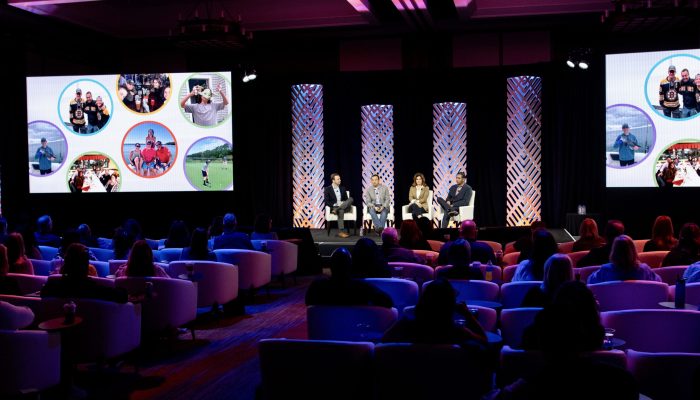
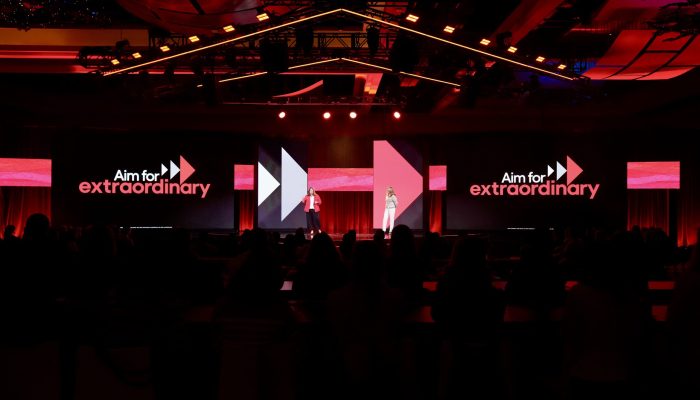
Lighting, sound, staging, digital platforms, visuals, and transitions all shape the audience experience. However, production quality is not simply about technical elements. It is about using those elements with purpose.
A product launch, sales meeting, or leadership event may require different production approaches depending on the audience and objective. The right production strategy ensures that technology supports communication rather than distracting from it.
For organizations managing live, virtual, or hybrid experiences, production precision is especially important. A successful experience requires thoughtful planning across content, technology, presenters, and audience interaction so that each component works together.
Memorable Events Create Connections Beyond the Event Date
The impact of a corporate event is not limited to the time attendees spend together. A well-designed experience can influence how people understand a message, remember a brand, or continue conversations after the event ends.
This long-term impact comes from creating experiences with clear takeaways. Attendees should understand what they learned, what actions they should take, and why the experience mattered.
For organizations, this means measuring success through more than attendance numbers. The quality of engagement, audience understanding, and alignment with business goals can provide a clearer picture of an event’s effectiveness.
Whether an event involves employees, customers, partners, or leadership teams, the most valuable experiences create a lasting connection between people and purpose.
How Organizations Can Create More Memorable Corporate Events
Creating memorable corporate events requires combining strategy, storytelling, engagement, and execution. Organizations can strengthen their approach by focusing on a few practical principles:
- Define the purpose first: Establish what attendees should understand, feel, or do after the event.
- Build a consistent story: Connect presentations, visuals, activities, and production choices around one clear message.
- Design for participation: Create opportunities for attendees to interact rather than passively consume information.
- Prioritize relevance: Tailor content and experiences to the needs of the audience.
- Plan every production detail: Ensure technology and creative elements support the overall experience.
These principles help move corporate events beyond simple information delivery. They create environments where audiences can connect, learn, and remember the experience long after it concludes.
Creating Experiences That Audiences Remember
What makes corporate events memorable is not one single feature. It is the combination of purpose, storytelling, audience engagement, personalization, and thoughtful execution. When these elements work together, an event becomes more than a scheduled gathering; it becomes an experience that communicates a message and creates meaningful connections.
DEVLINHAIR Production & Learning helps organizations design and produce meetings, live events, and training experiences where strategy, creativity, and precision work together. By focusing on audience engagement and intentional experience design, DH helps bring important messages to life through experiences built for impact.
Frequently Asked Questions
What makes corporate events memorable for attendees?
Memorable corporate events combine a clear purpose, engaging storytelling, personalized experiences, and thoughtful execution. When attendees understand the message, participate actively, and feel connected to the experience, the event creates a stronger and longer-lasting impression.
How can organizations create engaging corporate events?
Organizations can create engaging corporate events by designing experiences around audience needs, encouraging participation, and connecting every element to a shared goal. Effective event production, interactive moments, and relevant content help attendees move beyond passive listening and become active participants.
Why is storytelling important in corporate event experiences?
Corporate event storytelling helps turn presentations and sessions into a connected experience with a clear message and purpose. By using narrative across content, visuals, and production elements, organizations can improve audience engagement and make important ideas easier to remember.
Disclaimer: The above helpful resources content contains general insights and perspectives for informational purposes only. The information provided is for general knowledge and does not constitute professional advice.
You may also be interested in: How Production Planning Supports Organizational Growth
When your most important meeting, launch, summit, or training experience needs to move people, every detail matters. Strategy guides the work. Creativity shapes the story. Precision brings it to life. DEVLINHAIR Production & Learning designs and produces action-driven meetings, live events, and training experiences that move audiences. From our New York City studio, DEVLINHAIR helps organizations bring complex ideas, leadership priorities, and learning moments to life with clarity, purpose, and production precision. Ready to create a hybrid experience your audience can follow, feel, and act on? Let’s talk.
Powered by flareAI.co