When companies invest in training, the goal is rarely just to deliver information. The real challenge is helping people understand ideas, apply new knowledge, collaborate with others, and connect learning to the decisions they make every day. This is why many organizations are looking beyond traditional instruction models and exploring experiential learning approaches that place participants at the center of the experience.
When your most important meeting, launch, summit, or training experience needs to move people, every detail matters. Strategy guides the work. Creativity shapes the story. Precision brings it to life. DEVLINHAIR Production & Learning designs and produces action-driven meetings, live events, and training experiences that move audiences. From our New York City studio, DEVLINHAIR helps organizations bring complex ideas, leadership priorities, and learning moments to life with clarity, purpose, and production precision. Ready to create a hybrid experience your audience can follow, feel, and act on? Let’s talk.
Experiential Learning Connects Knowledge with Action
Traditional training often relies on presentations, documents, and one-way communication. While these formats can introduce important concepts, they do not always create opportunities for participants to practice, reflect, and apply what they have learned.
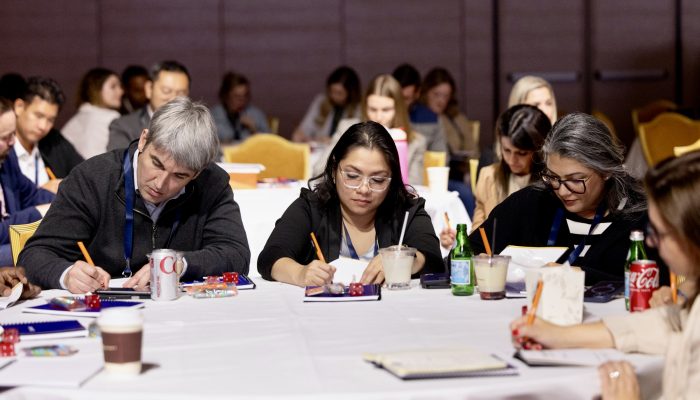
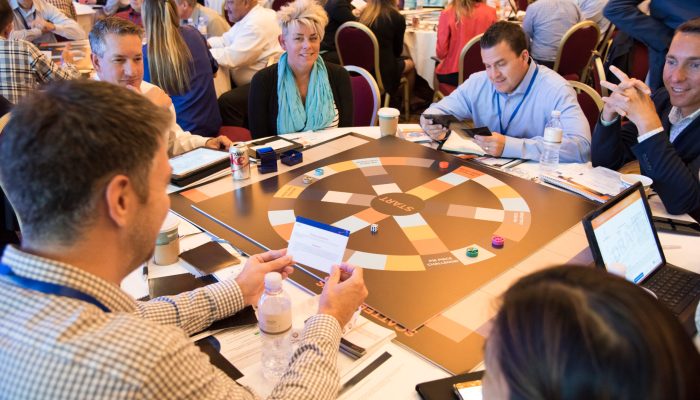
Experiential learning takes a different approach. It focuses on active participation, allowing employees and teams to engage with ideas through realistic scenarios, collaboration, problem-solving, and hands-on activities. Instead of simply receiving information, participants become part of the learning process.
For organizations, this shift matters because business challenges are rarely solved through information alone. Employees need context, confidence, and practical experience to translate knowledge into action. A well-designed learning experience can help teams understand complex messages, build stronger connections, and develop skills that support their roles.
This approach is especially valuable for leadership programs, sales meetings, product education, internal communications, and corporate training experiences where alignment and understanding are critical outcomes.
Companies Use Learning Experiences to Strengthen Engagement
Employee engagement is closely connected to how people experience workplace communication and development opportunities. When training feels relevant and interactive, participants are more likely to contribute, ask questions, and connect new concepts to their responsibilities.
Measuring employee event impact has become an important consideration for organizations designing internal experiences. Evaluating outcomes beyond attendance helps companies understand whether an event improved engagement, encouraged knowledge sharing, or supported broader business objectives.
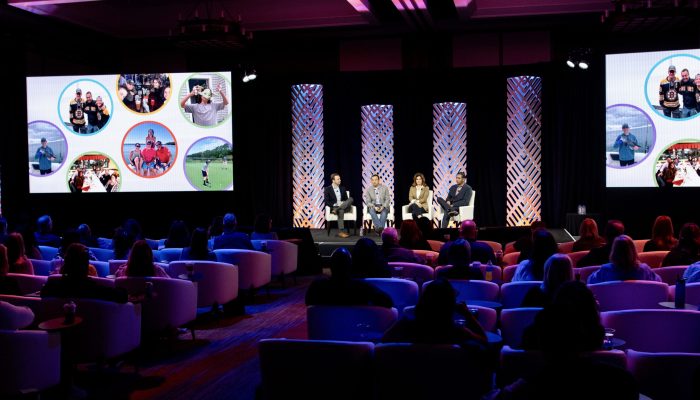
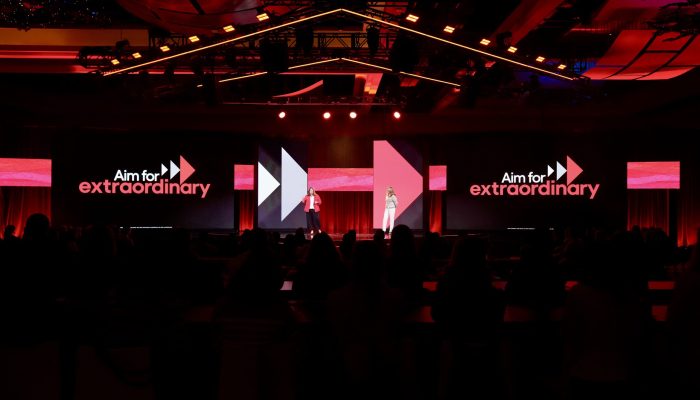
Experiential learning can support these goals by creating environments where employees actively participate rather than passively consume information. A leadership summit, training session, or company gathering can become a meaningful opportunity for teams to collaborate, reinforce priorities, and strengthen connections.
The most effective experiences are built around a clear purpose. Whether the goal is introducing a new strategy, improving team collaboration, or preparing employees for change, the learning environment should support the message leaders want participants to remember and apply.
Immersive Learning Experiences Help Make Messages More Memorable
Organizations often need to communicate complex ideas, from new initiatives and business priorities to product information and cultural changes. Experiential learning helps transform those messages into experiences that participants can understand and engage with.
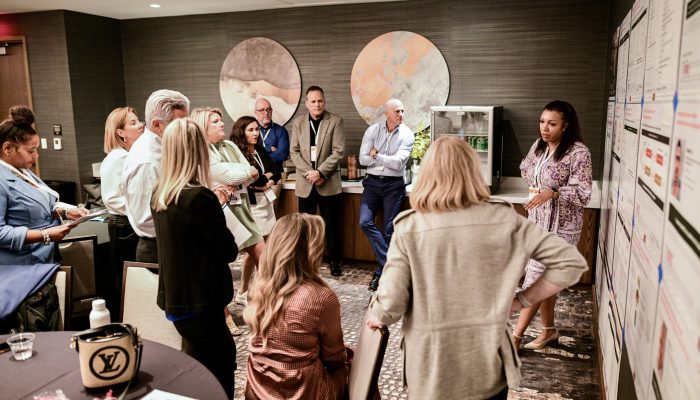
Immersive learning experiences can include interactive discussions, simulations, demonstrations, collaborative exercises, and other formats that encourage involvement. These methods create opportunities for participants to explore concepts instead of simply hearing about them.
Interactive experiential event ideas demonstrate how participation-focused formats can help audiences engage with information through creative activities, demonstrations, and shared experiences.
For corporate events and training programs, the value of immersion comes from creating a stronger connection between the message and the participant. When people can discuss, test, and apply an idea, the experience becomes easier to remember and more relevant to their work.
Corporate Experiential Learning Supports Better Alignment
Many organizations bring teams together during important moments: leadership meetings, sales meetings, product launches, annual gatherings, and training programs. These moments are opportunities to create alignment, but achieving that alignment requires more than simply sharing updates.
Corporate experiential learning helps organizations design experiences around specific outcomes. A successful program considers what participants need to understand, what actions they should take afterward, and how the experience can reinforce those goals.
For example, a product launch may require teams to understand a new offering and communicate its value clearly. A leadership summit may focus on connecting employees around strategic priorities. A training experience may require participants to practice new skills before applying them in real situations.
By designing learning around these objectives, organizations can create stronger connections between communication, behavior, and business goals.
Learning Design Requires Strategy, Creativity, and Precision
Effective experiential learning does not happen by adding activities to an existing presentation. It requires thoughtful learning design that considers the audience, objectives, content, technology, and environment.
For organizations developing meetings, live events, and training experiences, every element contributes to the overall outcome. The format, storytelling approach, production decisions, and participant interactions should work together to create a clear and meaningful experience.
For DEVLINHAIR Production & Learning, effective experience design starts with a clear strategic foundation. That approach helps organizations design and produce action-driven meetings, live events, and training experiences that move audiences.
This perspective is particularly important as companies continue to combine in-person, virtual, and hybrid formats. Strong hybrid capabilities and intentional audience engagement strategies can help ensure that learning experiences remain effective for participants across different environments.
Experiential Learning Creates Long-term Value Beyond the Event
The impact of a learning experience is not limited to the moment when people are gathered together. The strongest programs are designed to influence what participants do afterward.
When employees leave an experience with a clearer understanding of priorities, stronger relationships with colleagues, and practical knowledge they can apply, the value extends beyond the original session. This is why organizations increasingly view events and training programs as strategic communication opportunities rather than isolated activities.
Successful experiential learning programs often combine clear objectives, thoughtful content, engaging formats, and opportunities for reflection. These elements help participants connect learning to their everyday responsibilities and create stronger pathways from knowledge to action.
For business leaders, learning and development teams, and corporate communications professionals, the question is not only how to deliver information. It is how to create experiences that help people understand, engage, and act. Companies invest in experiential learning because meaningful development requires more than information delivery. People learn differently when they can participate, collaborate, and connect ideas to real situations.
By combining learning strategy with purposeful experience design, organizations can create training programs, meetings, and events that support engagement, alignment, and stronger communication. Experiential learning provides a framework for turning important messages into experiences that participants can understand and apply.
As organizations continue to look for more effective ways to develop teams and communicate priorities, experience-based learning remains a valuable approach for creating lasting impact.
Frequently Asked Questions
What is experiential learning and why do companies invest in it?
Experiential learning is an approach that helps employees build knowledge through participation, practice, collaboration, and real-world application. Companies invest in experiential learning because it can strengthen employee engagement, improve understanding, and help teams connect training concepts to their daily responsibilities.
How can experiential learning improve corporate training experiences?
Experiential learning can improve corporate training experiences by turning information into interactive activities that encourage participation and reflection. Through thoughtful learning design, training teams can create programs that support knowledge retention, skill development, and stronger audience engagement.
How does experiential learning support meetings, events, and product launches?
Experiential learning supports meetings, live events, and product launches by creating opportunities for participants to interact with important messages rather than simply receive information. When combined with strategic event production and immersive learning experiences, these formats can help organizations build alignment and create more memorable experiences.
Disclaimer: The above helpful resources content contains general insights and perspectives for informational purposes only. The information provided is for general knowledge and does not constitute professional advice.
You may also be interested in: Custom Event Production Services Gain Traction Among Brands Seeking Scalable Experiences
When your most important meeting, launch, summit, or training experience needs to move people, every detail matters. Strategy guides the work. Creativity shapes the story. Precision brings it to life. DEVLINHAIR Production & Learning designs and produces action-driven meetings, live events, and training experiences that move audiences. From our New York City studio, DEVLINHAIR helps organizations bring complex ideas, leadership priorities, and learning moments to life with clarity, purpose, and production precision. Ready to create a hybrid experience your audience can follow, feel, and act on? Let’s talk.
Powered by flareAI.co