Experiential production addresses a simple business challenge: organizations are trying not only to communicate messages but also to make those messages understood, remembered, and acted upon. A product launch, leadership summit, sales meeting, or training experience is an opportunity to create alignment between an organization and its audiences. Experiential production helps transform these moments from one-way communications into purposeful interactions that support stronger relationships over time.
When your most important meeting, launch, summit, or training experience needs to move people, every detail matters. Strategy guides the work. Creativity shapes the story. Precision brings it to life. DEVLINHAIR Production & Learning designs and produces action-driven meetings, live events, and training experiences that move audiences. From our New York City studio, DEVLINHAIR helps organizations bring complex ideas, leadership priorities, and learning moments to life with clarity, purpose, and production precision. Ready to create a hybrid experience your audience can follow, feel, and act on? Let’s talk.
Why Experiences Matter Beyond the Moment
Traditional communication often focuses on delivering information. Experiential production focuses on what happens after the message is delivered. The strongest experiences help audiences connect information with a purpose, a role, or an action they can take.
For corporate audiences, this distinction is especially important. A leadership meeting may need to reinforce strategy across teams. A product launch may need to help audiences understand a new offering. A training program may need to improve knowledge retention and encourage behavior change. Each situation requires more than a well-designed presentation; it requires thoughtful experience design.
This is where experiential marketing and brand growth become closely connected. When experiences are built around audience needs, organizations can create stronger associations between their message and the people receiving it. The goal is not simply to create an impressive event environment. The goal is to create a meaningful interaction that continues to influence how audiences understand and engage with a brand.
Recent industry perspectives highlight this shift toward participation and connection. Experiential trends shaping brand engagement show how successful experiences increasingly focus on participation, storytelling, and audience interaction rather than visual impact alone.
Experiential Production Turns Brand Strategy Into Audience Experience
A strong brand experience strategy begins with clarity. Before production decisions are made, teams need to understand what the audience should learn, feel, or do as a result of the experience. This strategic foundation influences every element, from content development and environment design to technology choices and audience interaction.
For organizations planning corporate events for brand engagement, experiential production provides a framework for connecting business objectives with audience outcomes. A meeting designed around a strategic message requires a different approach from a product demonstration, employee training experience, or customer-facing activation. The production process must support the purpose of the moment.
Connecting Storytelling with Business Objectives
Storytelling plays a central role in helping audiences understand complex ideas. Instead of presenting information as separate messages, effective experiences create a narrative that guides participants through the purpose behind the content.
This approach can be especially valuable for organizations introducing change, launching new initiatives, or aligning teams around shared priorities. When the experience structure supports the message, audiences are more likely to recognize why the information matters and how it connects to their responsibilities.
Designing Experiences for Active Participation
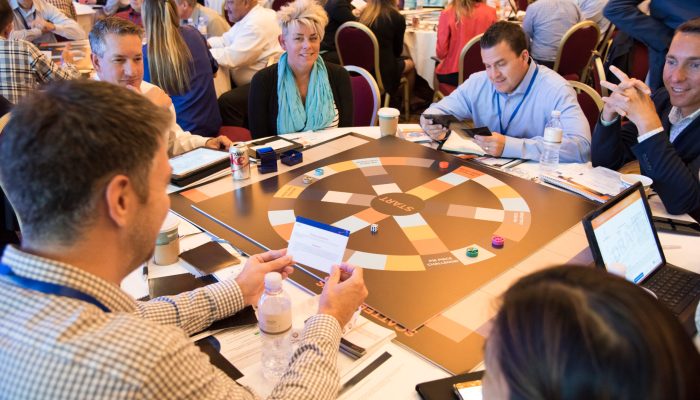
Immersive brand experiences are most effective when audiences have a reason to participate. Interaction can take many forms, including discussion, collaboration, demonstrations, digital engagement, or hands-on learning activities. The specific format matters less than whether the experience encourages meaningful involvement.
Industry examples continue to show that memorable experiences are built around relevance and connection. Brands mastering experiential moments demonstrate how thoughtful activations can strengthen relationships by creating interactions that extend beyond the initial event.
Production Strategy Creates Consistency Across Complex Experiences
Large-scale meetings, launches, and training programs often involve multiple audiences, formats, and communication goals. Without a clear production strategy, individual elements can become disconnected. The content may be strong, but the overall experience may fail to create the intended impact.
Experiential production brings together creative planning, technical execution, and audience considerations to create a cohesive experience. This includes understanding how content moves through a space, how presenters connect with participants, how technology supports engagement, and how each production choice reinforces the larger message.
For organizations managing hybrid experiences, this coordination becomes even more important. Hybrid capabilities require thoughtful planning to ensure remote and in-person audiences receive an experience that feels intentional rather than divided. Effective hybrid production considers participation, accessibility, content delivery, and interaction from the beginning of the design process.
Rather than treating production as a final execution step, organizations benefit from involving production strategy early. This allows teams to identify opportunities, anticipate challenges, and create experiences where every component supports the intended outcome.
How Experiential Marketing Builds Brand Loyalty Through Meaningful Engagement
Brand loyalty is often influenced by the quality of interactions people have with an organization. While a single event does not create a long-term relationship on its own, a well-designed experience can become an important touchpoint in that relationship.
Experiential production supports long-term brand growth by helping organizations create consistent, meaningful moments. These moments can strengthen internal alignment among employees, improve understanding among customers, and create stronger connections with important audiences.
The most effective experiences are designed with continuity in mind. A launch event can introduce a new idea, but follow-up communications, training resources, and future interactions help reinforce the message. A leadership summit can establish priorities, but ongoing engagement helps teams translate those priorities into action.
This perspective changes how organizations view events. Instead of treating them as isolated activities, businesses can approach experiences as part of a broader communication strategy. Each meeting, training program, and live event becomes an opportunity to reinforce identity, values, and relationships.
The Role of Learning Design in Long-term Experience Outcomes
Experiential production is not limited to external brand moments. Many organizations use experiences internally to improve learning, collaboration, and alignment. Training programs and employee experiences require the same level of strategic thinking because audiences still need clear messages, relevant content, and opportunities to engage.
Learning design helps ensure that information is structured in a way that supports understanding and retention. When combined with production strategy, it can turn training sessions into more engaging experiences that encourage participation rather than passive listening.
For DEVLINHAIR Production & Learning, effective experience design starts with a clear strategic foundation. That approach helps organizations design and produce action-driven meetings, live events, and training experiences that move audiences.
This connection between production and learning is increasingly important for organizations that need experiences to deliver practical outcomes. Whether the goal is improving knowledge transfer, introducing a new initiative, or aligning teams around a shared direction, experience design can help make communication more effective.
Building a Long-term Approach to Brand Experience Strategy
Organizations looking to create stronger experiences should begin by defining the outcome they want to achieve. A successful event is not measured only by attendance or visual presentation. It is measured by whether the experience helps audiences understand, connect, and respond.
- Start with audience needs: Understand what participants need to know, feel, and do before selecting formats or technologies.
- Align production choices with objectives: Ensure creative and technical decisions support the purpose of the experience.
- Create opportunities for engagement: Design moments where audiences actively participate instead of only receiving information.
- Consider the full experience journey: Connect events, meetings, and training programs with broader communication goals.
A long-term brand growth strategy depends on consistency. Each experience contributes to how audiences perceive an organization and its message. By approaching production as a strategic discipline, businesses can create moments that support stronger relationships over time.
Why Experiential Production Is a Strategic Investment
Experiential production is ultimately about creating alignment between intention and experience. Organizations invest significant effort into important moments, but the impact depends on how effectively those moments connect with their audiences.
When experience design, storytelling, production execution, and audience engagement work together, events become more than scheduled gatherings. They become opportunities to communicate clearly, strengthen relationships, and support long-term goals.
For organizations planning meetings, launches, training experiences, and hybrid programs, the focus should not only be on what happens during the event. The more important question is what audiences take away afterward. Experiences designed with purpose can help organizations create lasting connections and support meaningful brand growth.
Frequently Asked Questions
How does experiential production support long-term brand growth?
Experiential production supports long-term brand growth by creating meaningful interactions that help audiences understand, remember, and connect with an organization’s message. Through strategic event production, storytelling, and audience engagement, experiences can strengthen relationships beyond a single meeting, launch, or event.
How can experiential marketing build brand loyalty through corporate events?
Experiential marketing can build brand loyalty by creating corporate events and experiences that encourage participation, connection, and shared understanding. When experiences are designed around audience needs and business goals, they can reinforce brand values and create stronger long-term relationships.
Why is a brand experience strategy important for product launches and training experiences?
A brand experience strategy helps organizations align production choices with the outcomes they want audiences to achieve. For product launches, training experiences, and hybrid events, a clear strategy ensures content, technology, and engagement opportunities work together to create a more effective experience.
Disclaimer: The above helpful resources content contains general insights and perspectives for informational purposes only. The information provided is for general knowledge and does not constitute professional advice.
You may also be interested in: Training Programs Blend Virtual and In-Person Elements for Flexibility
When your most important meeting, launch, summit, or training experience needs to move people, every detail matters. Strategy guides the work. Creativity shapes the story. Precision brings it to life. DEVLINHAIR Production & Learning designs and produces action-driven meetings, live events, and training experiences that move audiences. From our New York City studio, DEVLINHAIR helps organizations bring complex ideas, leadership priorities, and learning moments to life with clarity, purpose, and production precision. Ready to create a hybrid experience your audience can follow, feel, and act on? Let’s talk.
Powered by flareAI.co