Product education has a practical problem: information is easy to present but harder to make useful. A feature list, slide deck, or product demonstration can explain what something does, yet audiences still may not understand how it fits their needs or how to use it with confidence. Experiential marketing for product education takes a different approach. Instead of asking people to absorb information passively, it creates opportunities to see, test, discuss, and apply what they are learning. For marketing managers, product marketers, sales enablement teams, and learning leaders, that shift can turn a product-focused event into a more purposeful learning experience.
When your most important meeting, launch, summit, or training experience needs to move people, every detail matters. Strategy guides the work. Creativity shapes the story. Precision brings it to life. DEVLINHAIR Production & Learning designs and produces action-driven meetings, live events, and training experiences that move audiences. From our New York City studio, DEVLINHAIR helps organizations bring complex ideas, leadership priorities, and learning moments to life with clarity, purpose, and production precision. Ready to create a hybrid experience your audience can follow, feel, and act on? Let’s talk.
Why Participation Can Strengthen Product Understanding
Product education works best when information connects to a real situation. People need more than an explanation of a feature; they need context for why the feature matters, what problem it addresses, and how the product behaves when put into practice. An interactive environment gives teams more ways to create those connections.
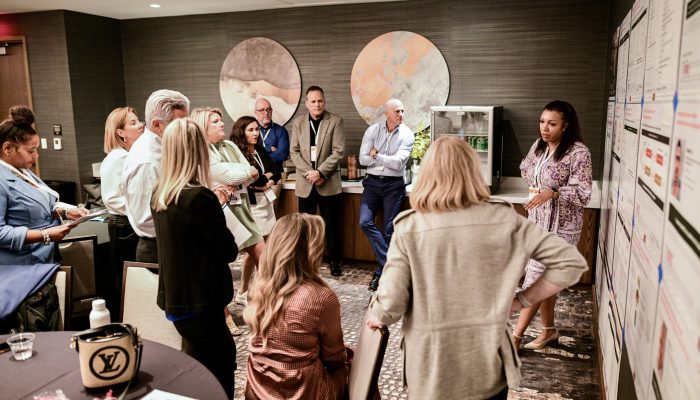
Hands-on experiences are particularly useful when a product requires demonstration, technical knowledge, or some degree of exploration before an audience can appreciate its value. A try-before-you-buy experience, for example, can combine product specialists, demonstrations, workshops, and opportunities for participants to experiment. The educational value comes from the interaction itself: attendees can ask questions, investigate capabilities, and connect what they discover to their own objectives.
This matters for corporate audiences as much as for customers. A sales team learning a new offering, employees being introduced to a new technology, or partners preparing to represent a product may all benefit from an environment where questions and experimentation are part of the learning process. The experience can make product information more concrete without turning the session into a conventional lecture.
Turn Product Features Into Practical Experiences
One of the biggest challenges in product education is moving from features to meaning. A specification may be accurate, but accuracy alone does not guarantee understanding. Experiential marketing and product education become more effective when the experience is designed around what the audience should be able to understand or do afterward.
That can begin with the physical or digital environment. Instead of presenting every feature in sequence, a product-focused experience can organize information around common questions, use cases, challenges, or moments of discovery. An attendee might encounter a product through a demonstration, then explore a related feature, ask a specialist a question, and immediately see the practical application.
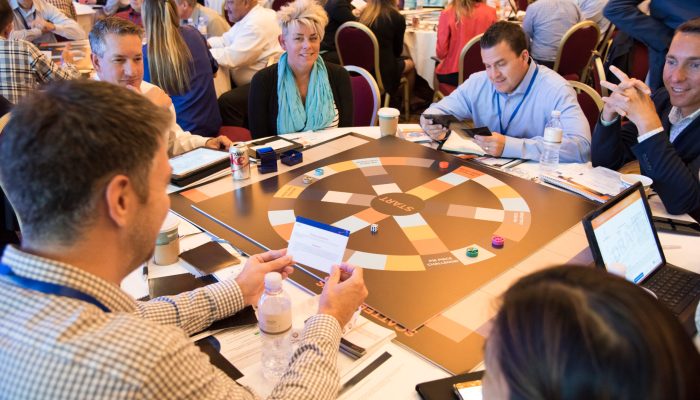
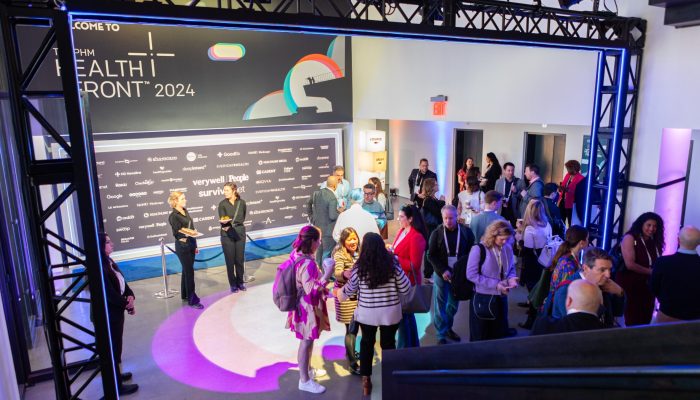
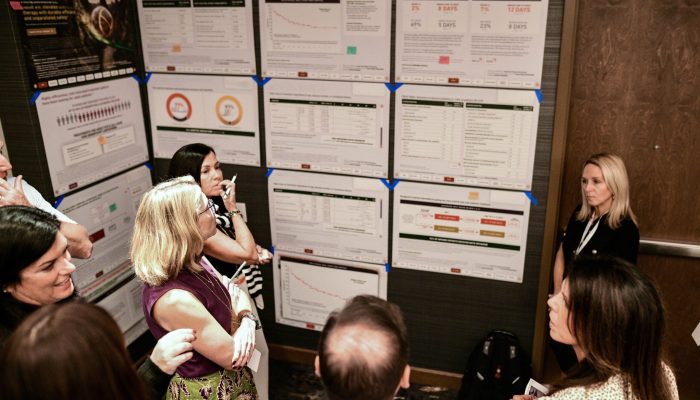
Interactive product displays illustrate how design can help translate complex information into something visual and tangible. When people can touch, test, explore, or observe a product within a carefully designed environment, the product story becomes less abstract. The experience can reinforce messaging while giving the audience a reason to stay engaged with the information.
For production teams, this also creates an important planning principle: every interactive element should have a learning purpose. More technology or more activity does not automatically create better education. The strongest experiences use interaction to answer a question, demonstrate a benefit, clarify a process, or help participants understand an application.
Build Learning Into Product Launches
A product launch is often treated as a communications moment, but it can also be a learning moment. An audience may leave knowing that a product exists without understanding what makes it relevant. That gap between awareness and understanding is where experiential design can add value.
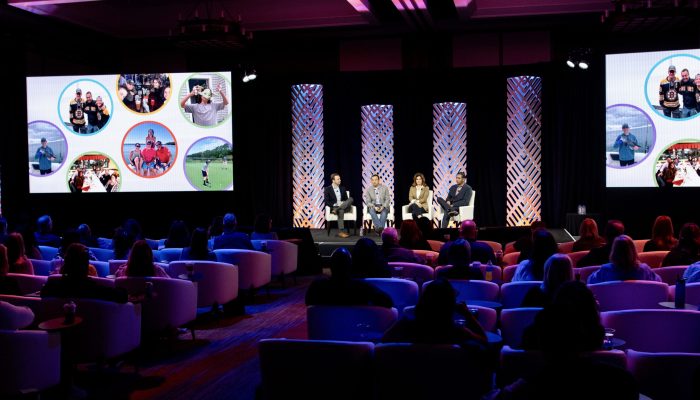
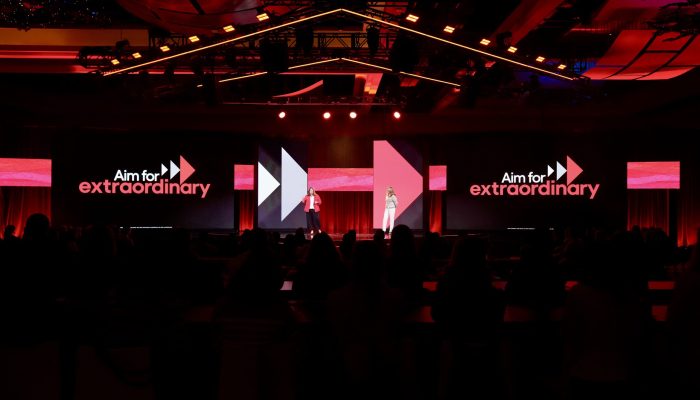
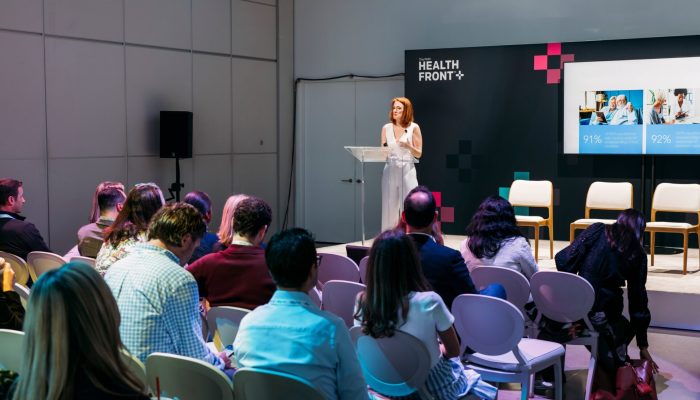
Experiential marketing product launches can give attendees multiple ways to encounter the same core message. A presentation can establish the broader story. A live demonstration can show the product in action. A guided activity can let participants explore a particular feature. Conversations with product specialists can address questions that are difficult to anticipate in a presentation.
The sequencing matters. A launch experience should not feel like a collection of unrelated attractions surrounding a product. The educational journey should be intentional, with each interaction helping the audience build a clearer picture of what the product does and why it matters.
This approach is especially useful when the product story is complicated. Instead of asking one presentation to communicate every detail, the experience can break information into manageable moments. That gives audiences opportunities to encounter the product from different perspectives while keeping the central message consistent.
Use Experiential Learning for Training and Enablement
Product education is not limited to external audiences. Internal teams often need to understand products deeply enough to explain, demonstrate, sell, support, or teach them to others. In those situations, product training through live experiences can complement more traditional learning formats.
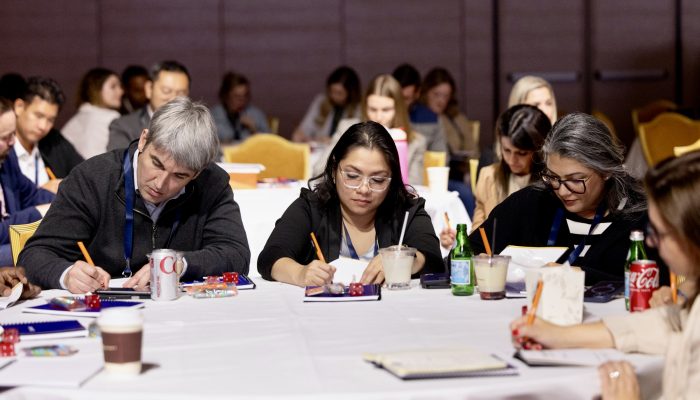
A useful training experience might place participants in a realistic scenario and ask them to make decisions, explore a product, or demonstrate how they would explain a feature. The goal is not simply to reproduce product information. It is to give people a chance to work with the information in a context that resembles how they will use it.
That distinction is important for learning leaders. Experiential learning for product education should connect the activity to a specific learning objective. If participants need to understand a workflow, the experience should help them practice that workflow. If they need to communicate product benefits, the experience should create opportunities to explain those benefits. If they need to recognize which features solve particular customer problems, the activity should make those decisions part of the learning process.
Marketing and sales enablement teams can also use this structure to create a shared product narrative. When participants learn through the same demonstrations, scenarios, and guided experiences, the organization has an opportunity to align how the product is explained across different audiences and functions.
Design Engagement Around the Audience
Not every audience needs the same kind of interaction. A technical audience may want time to investigate capabilities in depth. Executives may need a concise demonstration that connects the product to a strategic priority. Sales teams may benefit from practice conversations and scenarios. Customers may want to experiment before deciding whether a product fits their needs.
That makes audience understanding a critical part of engaging product education strategies. Before designing an experience, teams should identify what the audience already knows, what they need to understand, and what questions are likely to influence their next decision.
- Start with the learning objective. Define what the audience should understand, experience, or be able to explain after the interaction.
- Choose interaction with a purpose. Use demonstrations, guided exploration, workshops, or scenarios when they make the product story easier to understand.
- Give people room to ask questions. Product specialists and facilitators can help turn individual curiosity into useful learning moments.
- Connect features to applications. Show how capabilities relate to actual challenges rather than presenting features in isolation.
- Keep the core message consistent. Every touchpoint should reinforce the product story rather than compete with it.
These principles also help prevent a common experiential design problem: creating an impressive environment that audiences remember without remembering what they learned. Engagement should support comprehension, not replace it.
Make the Experience Part of a Larger Education Strategy
The most useful experiential product education does not have to stand alone. A live experience can introduce a product concept, create hands-on familiarity, and surface questions that can then be addressed through follow-up training, digital resources, sales conversations, or additional demonstrations.
This broader view changes how teams measure success. Instead of asking only whether an activation attracted attention, they can ask whether participants understood the product more clearly, whether they could explain its value, whether they gained confidence using it, and whether the experience helped move them toward the next stage of learning or engagement.
It also creates an opportunity to connect creative development with production planning. The physical environment, demonstrations, presentation content, facilitators, technology, and audience flow all influence whether the educational message is clear. A strong concept therefore needs to remain practical through execution. Every element should work together to support the intended learning experience.
For organizations developing product launches, training programs, sales meetings, or customer experiences, that integrated approach can make experiential marketing more than a promotional layer. It can become part of the way the organization teaches.
Where Experiential Product Education Creates the Most Value
The strongest applications are situations where understanding requires more than simply receiving information. New products, complex tools, technical solutions, and products with hands-on applications can all benefit from experiences that let audiences explore how something works.
The approach can also be valuable when an organization needs to bring several groups around a shared message. Marketing, sales, product, training, and leadership teams may approach the same product from different perspectives. A well-designed experience gives those groups a common environment in which the story can be demonstrated and discussed.
That is where production precision becomes part of the educational strategy. Timing, staging, demonstrations, content, facilitation, audience movement, and technical execution can either reinforce the lesson or create distractions. Treating those details as part of learning design helps ensure that the experience delivers more than visual impact.
DEVLINHAIR Production & Learning brings strategy, creative development, production, and learning considerations together for meetings, live events, launches, and training experiences.
Ultimately, how experiential marketing supports product education comes down to a simple shift in emphasis: from explaining a product to helping people experience its value. When interaction has a clear purpose, product stories can become easier to understand, more relevant to the audience, and more useful beyond the event itself. The opportunity for marketing and learning teams is not simply to make product education more engaging, but to design experiences where engagement actively helps people learn.
Frequently Asked Questions
How does experiential marketing support product education?
Experiential marketing supports product education by giving audiences opportunities to see, test, discuss, and apply product information rather than simply receiving it. Interactive experiences can make complex features more practical and memorable while supporting audience engagement at launches, training experiences, and corporate events.
What are interactive product education experiences?
Interactive product education experiences use demonstrations, guided exploration, workshops, scenarios, or hands-on activities to help audiences understand how a product works and why it matters. Each interaction should serve a clear learning purpose, such as explaining a feature, demonstrating a benefit, or connecting a product to a real application.
How can experiential marketing improve product training and launches?
Experiential marketing can make product training and launches more effective by turning product information into practical experiences that audiences can explore and discuss. For marketing, sales enablement, and learning teams, this approach can help create a shared product narrative while connecting presentations, demonstrations, and activities to specific learning objectives.
Disclaimer: The above helpful resources content contains general insights and perspectives for informational purposes only. The information provided is for general knowledge and does not constitute professional advice.
You may also be interested in: Why Event Production Is Becoming a Strategic Business Capability
When your most important meeting, launch, summit, or training experience needs to move people, every detail matters. Strategy guides the work. Creativity shapes the story. Precision brings it to life. DEVLINHAIR Production & Learning designs and produces action-driven meetings, live events, and training experiences that move audiences. From our New York City studio, DEVLINHAIR helps organizations bring complex ideas, leadership priorities, and learning moments to life with clarity, purpose, and production precision. Ready to create a hybrid experience your audience can follow, feel, and act on? Let’s talk.
Powered by flareAI.co