Corporate events are often built around important business moments: bringing teams together around a new strategy, introducing a product, strengthening leadership alignment, or helping employees understand a complex message. The challenge is that audiences no longer measure the value of an event only by what is presented on stage. They consider how clearly the message is delivered, how intentionally the experience is designed, and whether the event creates a meaningful connection that lasts beyond the session itself.
This shift is why corporate events continue to evolve. Organizations are looking beyond traditional meeting formats and exploring new approaches to engagement, production, and learning. The goal is not simply to add more technology or create a more elaborate environment. It is to design experiences that help people understand, participate, and act.
When your most important meeting, launch, summit, or training experience needs to move people, every detail matters. Strategy guides the work. Creativity shapes the story. Precision brings it to life. DEVLINHAIR Production & Learning designs and produces action-driven meetings, live events, and training experiences that move audiences. From our New York City studio, DEVLINHAIR helps organizations bring complex ideas, leadership priorities, and learning moments to life with clarity, purpose, and production precision. Ready to create a hybrid experience your audience can follow, feel, and act on? Let’s talk.
Corporate Events Are Becoming More Purpose-driven Experiences
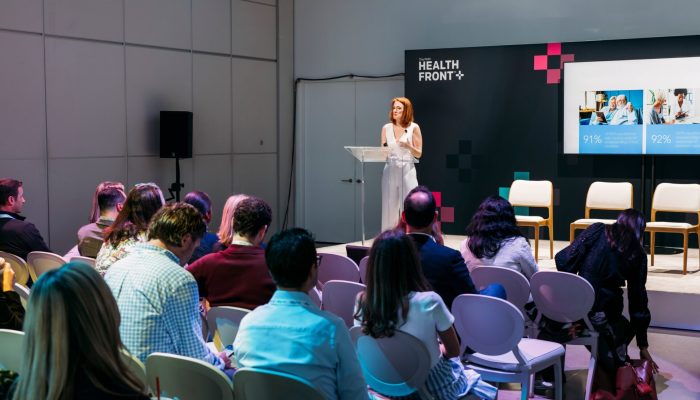
Many corporate gatherings once focused primarily on information delivery. A meeting agenda, a presentation deck, and a speaker lineup could define the experience. Today, organizations are placing greater emphasis on the full audience journey: what participants need to understand, how they will interact with the content, and what outcomes the event should support.
This change reflects a broader understanding that events are strategic communication opportunities. A leadership summit may need to create alignment around business priorities. A product launch may need to make a complex offering easier to understand. A training experience may need to help participants retain information and apply it after the session ends.
These goals require more than effective presentations. They require thoughtful experience design that connects message, environment, technology, and audience engagement. The most effective corporate event strategies begin by identifying the purpose of the gathering and then building the experience around that objective.
For organizations planning meetings, launches, and training programs, this means production decisions are becoming part of the communication strategy. Lighting, visuals, content flow, interaction points, and delivery formats all influence how audiences receive and remember information.
Changing Attendee Expectations Are Reshaping Event Design
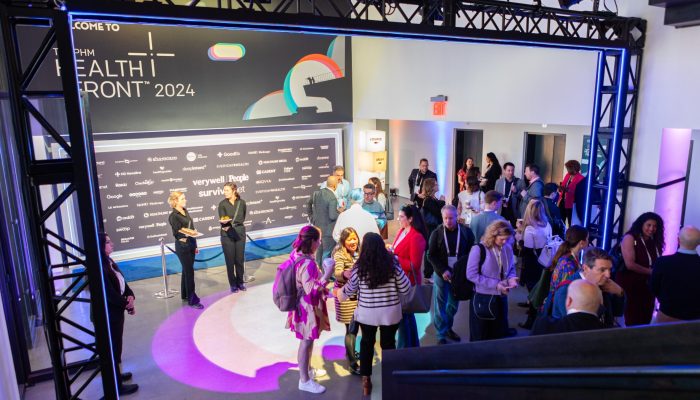
Attendees increasingly expect corporate events to provide value beyond simply attending a session. They want experiences that respect their time, support meaningful connections, and make participation feel intentional. This has encouraged organizations to reconsider how spaces, content, and technology work together.
Changing attendee expectations are shaping corporate event environments around flexibility, engagement, learning, and connection. This shift does not mean every event needs to become highly complex. Instead, it highlights the importance of designing experiences around what attendees need to accomplish.
A successful corporate event considers the moments before, during, and after the main program. Preparation materials can help participants arrive with context. Interactive sessions can encourage involvement during the experience. Follow-up resources can reinforce key messages after the event concludes.
This audience-focused approach is especially important for internal meetings and learning programs, where success depends on whether people understand the information and can apply it in their roles. A well-designed experience creates opportunities for communication to move from simple awareness toward meaningful action.
Technology Is Supporting More Engaging Corporate Experiences
Technology continues to influence how corporate events are produced, but the strongest strategies focus on purpose rather than novelty. Digital tools are most effective when they improve communication, accessibility, participation, or storytelling.
Modern corporate event strategies often use technology to support better audience interaction. This may include digital content systems, virtual participation options, interactive elements, or production tools that allow presenters and audiences to connect more effectively.
Recent corporate event production trends highlight how technology is helping organizations move beyond traditional formats by supporting stronger storytelling, personalization, and real-time interaction. Corporate event production trends show that production choices increasingly contribute to how audiences experience and remember an event.
The key consideration is not whether an organization uses the newest technology. It is whether the technology supports the intended outcome. A product launch, executive meeting, and employee training program may all use different tools because they serve different communication goals.
This approach also explains why hybrid events require careful planning. Hybrid capabilities are not simply about adding a virtual audience to an in-person program. They require thoughtful design choices that consider participation, content delivery, technical reliability, and audience connection across formats.
Hybrid Capabilities Are Becoming Part of Modern Event Strategy
Hybrid corporate events have moved beyond being a temporary response to changing circumstances. Organizations now consider hybrid capabilities as part of a broader range of options for reaching audiences, supporting participation, and creating flexible experiences.
The challenge is designing hybrid experiences that feel intentional. A successful hybrid event does not treat remote attendees as observers watching a broadcast. Instead, it considers how different audiences can participate, interact, and engage with the same central message.
This requires coordination between content strategy, production planning, technology, and audience engagement. Speakers may need different presentation approaches. Content may need to be adapted for multiple viewing environments. Production teams need to consider how every participant experiences the event, whether they are in the room or joining remotely.
For corporate communications teams and learning leaders, hybrid design can provide additional opportunities to connect distributed audiences while maintaining consistency in messaging. The focus should remain on creating a cohesive experience rather than simply adding another delivery channel.
Immersive Experiences Are Helping Brands Tell More Meaningful Stories
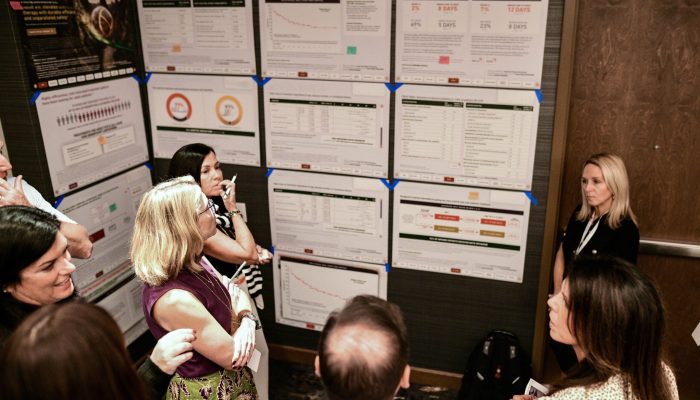
Immersive corporate experiences are gaining attention because they help organizations communicate ideas through more than words alone. When audiences can interact with a concept, explore information, or experience a message in a more engaging way, the connection between the organization and its audience can become stronger.
For experiential corporate events, immersion is not about creating spectacle for its own sake. The strongest experiences use creative elements to support a clear purpose. A product demonstration can help audiences understand a new solution. A leadership event can create stronger alignment around a vision. A training experience can make complex information easier to apply.
This is where storytelling becomes an important part of event production. Strong event narratives help audiences understand why information matters and how it connects to their responsibilities. Creative design, production elements, and audience interaction should all support that central message.
DEVLINHAIR Production & Learning approaches experience design through this connection between strategy, creativity, and execution. We design and produce action-driven meetings, live events, and training experiences that move audiences.
Production Strategy Plays a Larger Role in Business Communication
As corporate events become more experience-focused, production strategy has become an essential part of planning successful programs. Production is no longer only about making an event run smoothly. It helps determine how effectively an organization communicates with its audience.
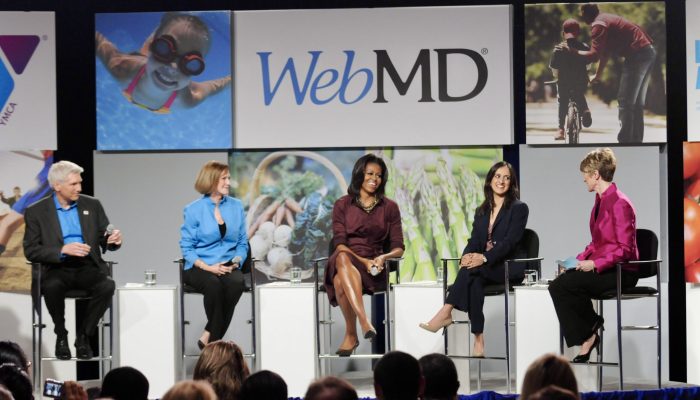
This is particularly important for moments where clarity matters most. A leadership summit may need to translate strategic goals into a message employees can understand. A sales meeting may need to motivate teams around priorities. A launch experience may need to help audiences connect with a product story.
Effective production requires collaboration between creative teams, communications leaders, technical specialists, and stakeholders. When these groups align early, the event can be designed around the desired audience response rather than only around logistics.
For organizations evaluating their next event, the most important questions often involve purpose and outcomes. What should attendees understand? What action should they take afterward? What experience will help the message become memorable?
The Future of Corporate Events Depends on Meaningful Connection
The evolution of corporate events is not defined by a single trend or technology. It is driven by a continued focus on creating experiences that are useful, relevant, and connected to business goals.
Organizations are rethinking how meetings, launches, training programs, and internal experiences can better support communication and engagement. The strongest approaches balance innovation with practical needs, using creative production and technology to strengthen human connection rather than replace it.
As expectations continue to change, corporate events will likely remain an important way for organizations to bring people together around shared objectives. The focus will continue moving toward experiences that help audiences understand ideas, connect with messages, and leave prepared to act.
Frequently Asked Questions
Why do corporate events continue to evolve?
Corporate events continue to evolve because organizations are focusing more on audience engagement, meaningful communication, and experiences that support business goals. Modern corporate meetings, launches, and training experiences are designed around what attendees need to understand, remember, and act on rather than simply delivering information.
How are hybrid events changing the way organizations create experiences?
Hybrid events are changing corporate event strategies by giving organizations more flexible ways to connect in-person and remote audiences. Effective hybrid event production requires thoughtful planning around content delivery, participation, technology, and audience engagement to create a cohesive experience.
What role does event production play in creating successful corporate experiences?
Event production plays an important role in turning business goals into clear, engaging experiences through strategic design, storytelling, and technical execution. For corporate meetings, product launches, and training experiences, strong production helps audiences connect with key messages and achieve better engagement outcomes.
Disclaimer: The above helpful resources content contains general insights and perspectives for informational purposes only. The information provided is for general knowledge and does not constitute professional advice.
You may also be interested in: Industry Conferences Adapt to Changing Attendee Expectations
When your most important meeting, launch, summit, or training experience needs to move people, every detail matters. Strategy guides the work. Creativity shapes the story. Precision brings it to life. DEVLINHAIR Production & Learning designs and produces action-driven meetings, live events, and training experiences that move audiences. From our New York City studio, DEVLINHAIR helps organizations bring complex ideas, leadership priorities, and learning moments to life with clarity, purpose, and production precision. Ready to create a hybrid experience your audience can follow, feel, and act on? Let’s talk.
Powered by flareAI.co