Quick Listen:
When a company brings people together for a leadership summit, training program, or product launch, the goal is rarely just to share information. The real challenge is helping people understand the message, connect it to their role, and leave ready to act.
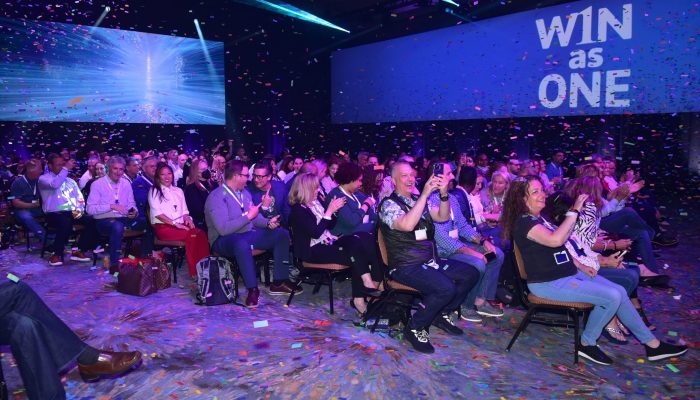
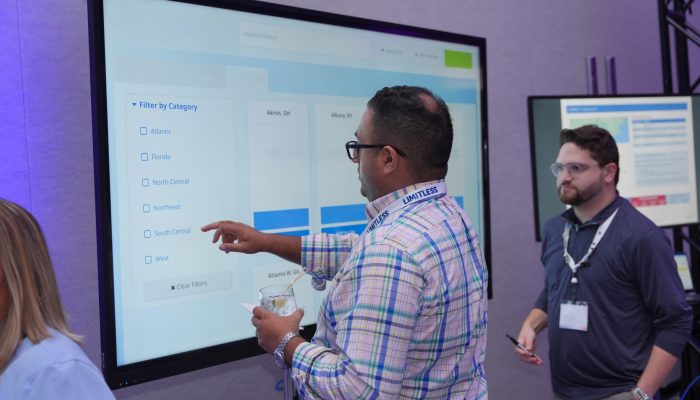
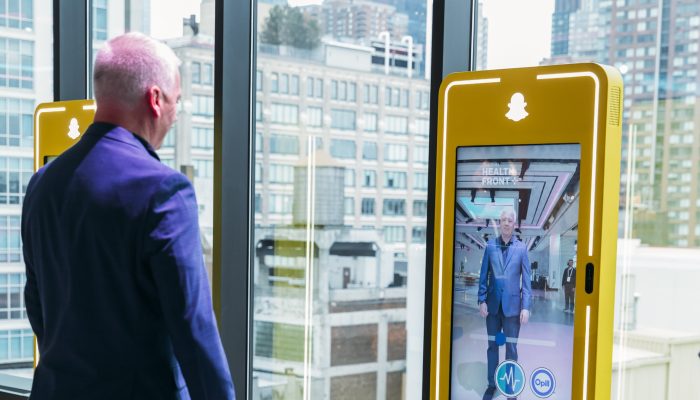
Brand activations stand at the center of that challenge today. Organizations need experiences that move beyond one-way communication and create spaces where audiences actively participate. When people do more than listen, they remember, relate, and take action. This is the core reason brand activations have become a strategic priority for corporate communications, training, and brand experience teams.
Participatory events turn abstract ideas into tangible moments. Attendees leave with deeper understanding and stronger connections to the brand or initiative. The difference is not just engagement; it is measurable business impact.
When your most important meeting, launch, summit, or training experience needs to move people, every detail matters. Strategy guides the work. Creativity shapes the story. Precision brings it to life. DEVLINHAIR Production & Learning designs and produces action-driven meetings, live events, and training experiences that move audiences. From our New York City studio, DEVLINHAIR helps organizations bring complex ideas, leadership priorities, and learning moments to life with clarity, purpose, and production precision. Ready to create a hybrid experience your audience can follow, feel, and act on? Let’s talk.
Live Experiences Have Become the Center of the Marketing Mix
Recent benchmark research confirms that live, participatory experiences now sit at the center of the marketing mix rather than functioning as a secondary tactic. Organizations across sectors report clear increases in attendance and stronger purchase intent after participating in these moments.
A strong majority of consumers say they are more likely to make a purchase after taking part in a brand experience firsthand. Attendees also report feeling meaningfully more informed after engaging directly with a brand compared to passive advertising exposure.
These findings matter because they connect audience participation directly to measurable business outcomes. When people physically interact with a product, complete a challenge, or take part in a branded moment, they retain more information, form stronger positive associations, and move closer to a purchase decision.
How Audience Participation Creates Lasting Memory
Participation transforms information into action. Passive messages fade quickly. Interactive experiences build emotional connections and clear pathways to behavior change.
Attendees who engage in hands-on or collaborative elements walk away with deeper retention. They understand the message in a way that static materials or virtual views cannot match. This is especially valuable for training programs and leadership summits where knowledge must translate into performance.
The mechanism is straightforward: active involvement triggers cognitive engagement. People process and remember messages through doing, creating, or discussing them. The result is stronger brand perception and clearer intent to act.
Real-world Example: Turning a Product Interface Into a Physical Playground
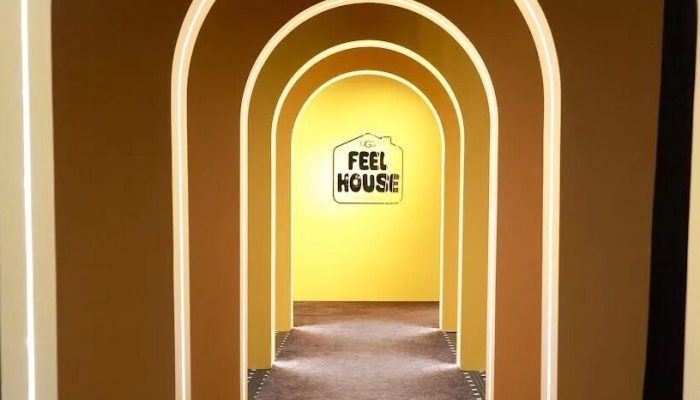
One of the clearest examples of a brand activation built around audience participation came together when a design software company transformed its own user interface into a walkable, touchable environment for more than six thousand attendees. Instead of relying on a traditional stage-and-booth format, the organizers built an entry portal shaped like the platform’s own dashboard, then translated individual product tools into physical attractions such as slides, swings, and hands-on AI demo stations.
Guests did not simply observe the brand story. They moved through it, tried features in tactile form, and created shareable moments organically as part of the experience itself. This approach illustrates a broader shift happening across brand activations: attendees increasingly expect to do something rather than watch something.
When a product feature becomes a slide people can ride or a game they can play with strangers, participation stops being optional and becomes the natural way people experience the space. That kind of design also generates authentic social content, since visitors want to capture and share moments they physically took part in rather than passively witnessed.
Research shows live, participatory experiences now sit at the center of the marketing mix rather than functioning as a secondary tactic, with a strong majority of consumers saying they are more likely to make a purchase after taking part in a brand experience firsthand.
Designing Brand Activations That Drive Real Participation
Effective brand activations start with a clear purpose and end with active involvement. Leaders should focus on creating spaces where attendees can contribute rather than simply consume. This means incorporating elements that encourage interaction at every stage.
Start by identifying the exact goal, whether it is training retention, leadership alignment, or product comprehension. Then design experiences that let people act on that goal. Include opportunities for hands-on work, group discussion, and immediate feedback loops.
Structure the environment to reward participation. Provide clear prompts, collaborative tools, and ways for attendees to share their contributions. The result is not just more time spent but deeper connection to the message and the organization behind it.
Why These Activations Matter for Corporate Meetings, Training, and Launches
Organizations face increasing pressure to deliver experiences that drive real results. Brand activations address this by turning meetings and launches into moments that align teams, improve retention, and strengthen message recall.
Training experiences benefit most when participants actively apply concepts. Product launches gain momentum when customers experience the offering directly. Leadership summits create lasting alignment when people contribute ideas rather than hear them passively.
These activations support production strategy by making complex topics tangible. They help teams move from information sharing to action. The strategic foundation remains consistent: designing and producing action-driven meetings, live events, and training experiences that move audiences.
Practical Steps to Build More Engaging Activations
Teams can begin by mapping every touchpoint to an opportunity for participation. For virtual or hybrid formats, design interactive elements that work across distances. For in-person gatherings, prioritize zones where attendees can create, collaborate, and share.
Measure the difference. Track retention, recall, and follow-through after participation compared with traditional formats. The data usually shows clear improvement when people do something rather than just see or hear.
Iterate based on feedback. Small adjustments to prompts, layout, or technology can dramatically improve participation rates. The key is treating every activation as a living experiment in audience connection.
Frequently Asked Questions
How do brand activations increase audience participation at corporate events?
Brand activations increase audience participation by creating interactive experiences where attendees actively engage with a message instead of only receiving information. In corporate meetings, live events, and product launches, these experiences help audiences connect with the brand and improve message recall.
Why are interactive experiences important for training programs and leadership summits?
Interactive experiences are important for training programs and leadership summits because they help participants apply ideas through collaboration, hands-on activities, and discussion. This approach can strengthen learning outcomes by turning information sharing into meaningful audience engagement.
How can event production teams design brand activations that create lasting engagement?
Event production teams can design effective brand activations by creating opportunities for attendees to participate, contribute, and share experiences. Using interactive elements in live or hybrid events helps organizations build stronger connections with audiences and support goals such as learning, alignment, and product understanding.
Disclaimer: The above helpful resources content contains general insights and perspectives for informational purposes only. The information provided is for general knowledge and does not constitute professional advice.
You may also be interested in: Training Programs Blend Virtual and In-person Elements for Flexibility
When your most important meeting, launch, summit, or training experience needs to move people, every detail matters. Strategy guides the work. Creativity shapes the story. Precision brings it to life. DEVLINHAIR Production & Learning designs and produces action-driven meetings, live events, and training experiences that move audiences. From our New York City studio, DEVLINHAIR helps organizations bring complex ideas, leadership priorities, and learning moments to life with clarity, purpose, and production precision. Ready to create a hybrid experience your audience can follow, feel, and act on? Let’s talk.
Powered by flareAI.co