Choosing a corporate training solution is not simply a matter of selecting a program with strong content or an impressive presentation format. The more important question is whether the experience helps people understand key messages, apply new knowledge, and connect learning to real business priorities. For learning and development teams, communications leaders, and organizations planning employee programs, comparing training solutions requires looking at the full experience: strategy, content design, engagement, delivery methods, measurement, and long-term impact.
When your most important meeting, launch, summit, or training experience needs to move people, every detail matters. Strategy guides the work. Creativity shapes the story. Precision brings it to life. DEVLINHAIR Production & Learning designs and produces action-driven meetings, live events, and training experiences that move audiences. From our New York City studio, DEVLINHAIR helps organizations bring complex ideas, leadership priorities, and learning moments to life with clarity, purpose, and production precision. Ready to create a hybrid experience your audience can follow, feel, and act on? Let’s talk.
Start with the Business Outcome, Not the Training Format
Corporate training programs can take many forms, from instructor-led sessions and workshops to virtual learning experiences, hybrid programs, and immersive meetings. However, the format itself should not be the starting point for evaluation. The first step is understanding what the organization needs employees to know, understand, or do differently after the experience.
A strong training solution begins with a clear objective. A leadership summit may need to align teams around a strategic direction. A sales meeting may need to help employees understand a new product story. A professional development program may need to build specific skills through practice and interaction. Each situation requires a different approach to learning design and audience engagement.
When comparing providers, decision-makers should consider whether the solution is designed around the audience and the desired outcome. A program that simply delivers information may create awareness, but a thoughtfully designed training experience can help participants retain knowledge, discuss ideas, practice new skills, and connect learning to their daily responsibilities.
For organizations evaluating corporate training solutions, the most useful question is not only “What does this program include?” but also “How will this experience help our people move forward?”
Evaluate How the Training Experience Engages Participants
Effective learning experiences require more than strong speakers or well-developed materials. Employee engagement depends on how participants interact with the content, instructors, technology, and one another throughout the program.
When comparing corporate training solutions, organizations should examine whether a provider creates opportunities for active participation. Interactive workshops, demonstrations, discussions, simulations, and practical exercises can help employees connect concepts to real situations instead of passively receiving information.
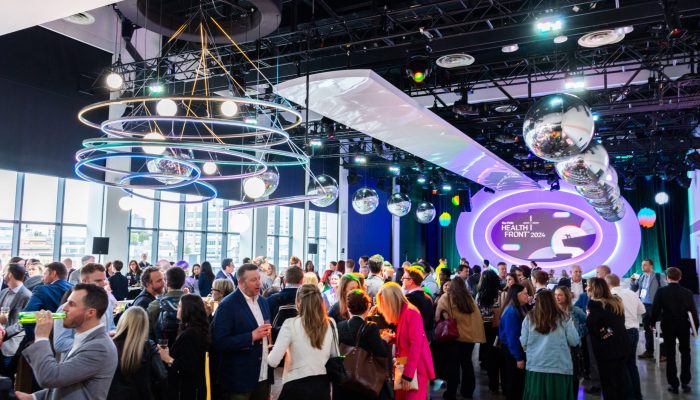
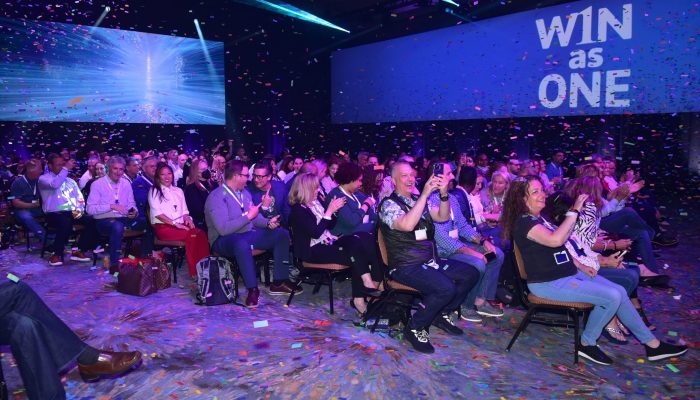
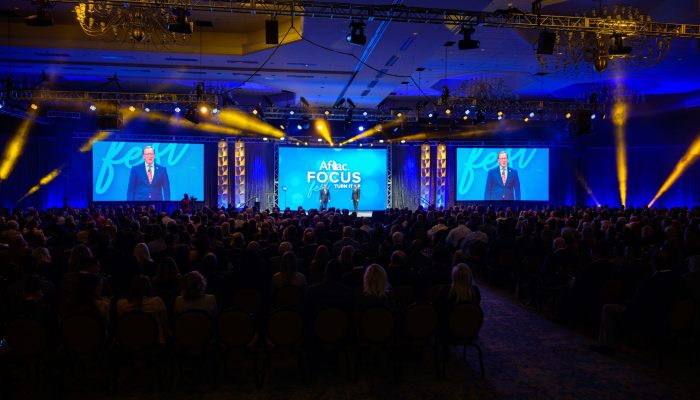
Industry examples show how large business learning experiences increasingly combine education, networking, technology, and interaction. Coverage of major corporate gatherings has highlighted the importance of hands-on learning experiences that allow participants to build practical skills while engaging with peers and content.
This approach is especially important for corporate meetings, leadership programs, and training experiences where the goal is often broader than information sharing. Organizations want participants to leave with clarity, confidence, and the ability to apply what they learned.
Compare Learning Design and Delivery Capabilities
Different training needs require different delivery approaches. Some organizations may benefit from an in-person experience built around collaboration and discussion. Others may need virtual or hybrid formats that support distributed teams while maintaining interaction and connection.
When reviewing training providers, leaders should consider how the solution is designed across the entire learning journey. This includes preparation before the program, audience interaction during the experience, and reinforcement after the session concludes.
- Content alignment: Does the training reflect the organization’s goals, audience needs, and communication priorities?
- Delivery approach: Does the format support meaningful participation for every attendee?
- Audience experience: Does the program create opportunities for discussion, practice, and connection?
- Follow-through: Are there resources or actions that help employees continue applying what they learned?
For organizations planning complex meetings, launches, or employee programs, learning design and production execution often need to work together. The strongest experiences balance strategic messaging with practical delivery so that participants can understand the purpose behind the program and how it connects to their role.
For DEVLINHAIR Production & Learning, effective experience design starts with a clear strategic foundation. That approach helps organizations design and produce action-driven meetings, live events, and training experiences that move audiences.
Look Beyond Content Delivery and Assess Experience Quality
A corporate training solution should be evaluated as an experience, not just a collection of materials. The quality of production, facilitation, technology integration, and audience interaction can influence whether employees remain engaged and whether key messages are remembered.
This is particularly important for programs such as leadership summits, sales meetings, product launches, and internal communications events. These moments often carry important organizational messages, and the experience must help audiences understand priorities and take action.
Organizations should consider how a provider approaches storytelling and message alignment. Strong training experiences often use a combination of structure, visuals, discussion, and interactive elements to make complex information easier to understand and more relevant to participants.
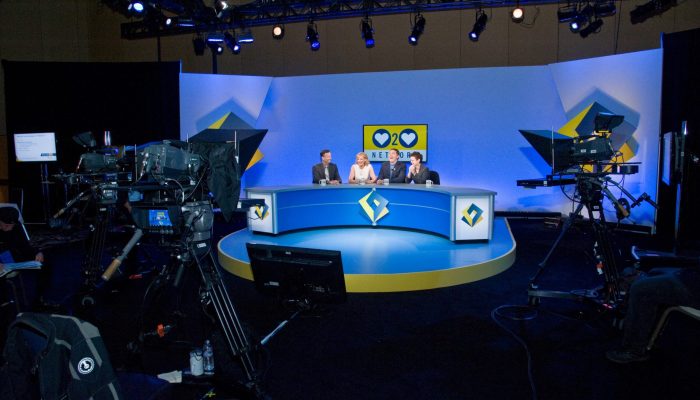
For hybrid or virtual programs, evaluation should also include how the provider supports remote participation, audience connection, and consistent communication across different environments. A successful experience is not defined only by whether technology works; it is defined by whether people feel included, engaged, and able to participate meaningfully.
Measure Whether the Solution Creates Meaningful Impact
One of the most important steps when comparing corporate training solutions is understanding how success will be measured. Attendance alone does not show whether a program achieved its purpose. Organizations should look for providers that help define objectives and evaluate outcomes.
Measurement strategies can include participant feedback, engagement indicators, knowledge retention, follow-up actions, and alignment with business goals. These insights help organizations understand whether a training experience created value beyond the event itself.
Research and industry discussion around employee events emphasize the importance of connecting experience design with measurable outcomes. Organizations evaluating training options should consider whether a provider supports measuring employee event outcomes and uses that information to improve future programs.
A solution that includes measurement allows teams to make better decisions about future investments. It also creates a clearer connection between learning experiences and broader organizational priorities, such as improving communication, supporting change initiatives, or strengthening employee capabilities.
Choose a Partner That Understands the Full Experience
Comparing corporate training solutions is ultimately about finding an approach that aligns strategy, learning goals, audience needs, and execution. The right solution should help organizations communicate important ideas clearly while creating an experience that encourages participation and application.
Rather than focusing only on features or formats, decision-makers should evaluate how each option supports the complete journey. This includes how the experience is designed, how audiences engage with it, how messages are delivered, and how results are understood afterward.
For corporate communications leaders, training teams, and organizations planning important moments, a production partner with experience across meetings, live events, hybrid experiences, and learning programs can help connect creative execution with business objectives.
When comparing providers, the strongest choice is often the one that understands training as more than content delivery. It is a strategic opportunity to bring people together, reinforce priorities, and create experiences that help audiences move from understanding to action.
Key Questions to Ask When Comparing Corporate Training Solutions
A structured evaluation process can make it easier to compare different approaches and identify the right fit. Before selecting a training solution, organizations should consider questions such as:
- Does the provider understand our audience, business goals, and desired outcomes?
- How does the solution encourage participation and engagement?
- Can the experience support in-person, virtual, or hybrid requirements?
- How does the provider measure effectiveness after the program?
- Will the training experience help employees apply what they learn in real situations?
These questions help shift the conversation away from comparing individual features and toward evaluating overall value. A successful corporate training experience should support communication, strengthen understanding, and create meaningful connections between people and organizational goals.
By taking a strategic approach to evaluation, organizations can select training solutions that do more than deliver information. They can create learning experiences that engage audiences, support business priorities, and help teams turn knowledge into action.
Frequently Asked Questions
What should organizations consider when comparing corporate training solutions?
Organizations should compare corporate training solutions based on business goals, audience needs, learning design, engagement methods, delivery approach, and measurement strategies. The right solution should help employees understand key messages, apply new knowledge, and connect learning experiences to organizational priorities.
How do effective training experiences improve audience engagement?
Effective training experiences improve audience engagement by creating opportunities for interaction, discussion, practice, and collaboration. Corporate meetings, leadership programs, and training experiences are more impactful when participants actively connect with content instead of only receiving information.
Why is measurement important when evaluating corporate training solutions?
Measurement is important because it helps organizations understand whether a training experience achieved its intended outcomes. Evaluating feedback, engagement, knowledge retention, and follow-through can help teams determine the value of training investments and improve future programs.
Disclaimer: The above helpful resources content contains general insights and perspectives for informational purposes only. The information provided is for general knowledge and does not constitute professional advice.
You may also be interested in: Why Organizations Benefit From Event Production and Training Alignment
When your most important meeting, launch, summit, or training experience needs to move people, every detail matters. Strategy guides the work. Creativity shapes the story. Precision brings it to life. DEVLINHAIR Production & Learning designs and produces action-driven meetings, live events, and training experiences that move audiences. From our New York City studio, DEVLINHAIR helps organizations bring complex ideas, leadership priorities, and learning moments to life with clarity, purpose, and production precision. Ready to create a hybrid experience your audience can follow, feel, and act on? Let’s talk.
Powered by flareAI.co