Quick Listen:
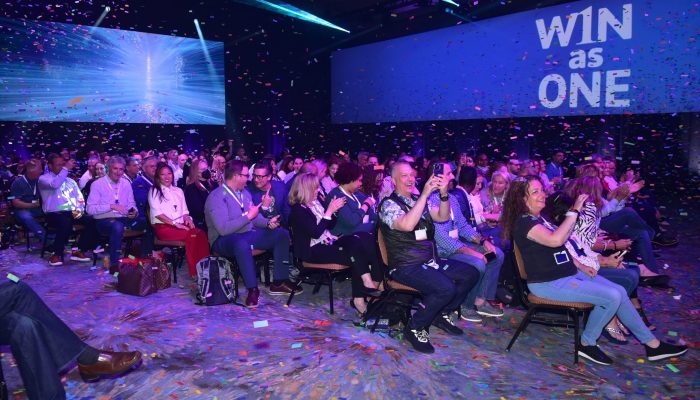
When teams are spread across locations, time zones, and working environments, alignment can become harder to achieve through digital communication alone. A global meeting creates a dedicated moment for people to reconnect with shared goals, exchange perspectives, and build relationships that support stronger collaboration. The value of these gatherings is not simply bringing people into the same room or virtual environment. It is creating an experience where employees understand priorities, connect with colleagues, and leave with a clearer sense of direction.
When your most important meeting, launch, summit, or training experience needs to move people, every detail matters. Strategy guides the work. Creativity shapes the story. Precision brings it to life. DEVLINHAIR Production & Learning designs and produces action-driven meetings, live events, and training experiences that move audiences. From our New York City studio, DEVLINHAIR helps organizations bring complex ideas, leadership priorities, and learning moments to life with clarity, purpose, and production precision. Ready to create a hybrid experience your audience can follow, feel, and act on? Let’s talk.
Global Meetings Create Alignment Beyond Information Sharing
Many organizations approach meetings as opportunities to deliver updates, review performance, or communicate strategy. While those functions remain important, the most effective global meetings serve a broader purpose. They help teams understand why decisions matter, how their work connects to larger objectives, and where collaboration is needed across departments or regions.
This is especially important for distributed teams. A message delivered through email, video calls, or internal platforms can communicate information, but it may not create the same level of shared understanding as a carefully designed meeting experience. Global meetings give leaders the opportunity to reinforce priorities through storytelling, discussion, interaction, and meaningful engagement.
For corporate communications leaders, learning teams, and executives, the challenge is designing meetings that move beyond presentations. A successful gathering considers the complete experience: what attendees need to understand, what actions they should take afterward, and what connections will help teams work more effectively together.
Human Connection Remains Central to Global Team Collaboration
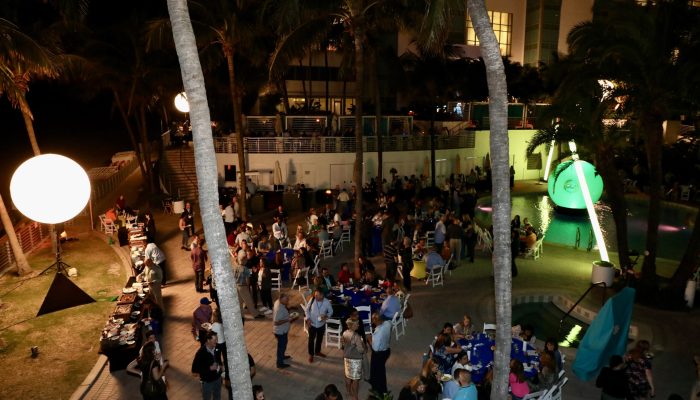
Global team collaboration depends on more than technology. Tools can make communication easier, but trust and connection often develop through intentional interactions between people. Meetings that bring teams together create space for conversations that may not happen during routine workdays.
Industry conversations continue to highlight the importance of face-to-face connection as organizations balance digital communication with opportunities for in-person engagement. Insights from B-to-b meeting leaders point to a growing appreciation for experiences that help teams reconnect, exchange ideas, and build stronger relationships in an environment where digital communication remains a constant part of work.
The strongest international team meetings recognize that people arrive with different experiences, perspectives, and expectations. Thoughtful programming can help create an environment where participants feel comfortable contributing ideas and learning from colleagues they may rarely interact with directly.
Designing Meetings for Distributed Teams Requires Purpose
Bringing global teams together requires more than coordinating schedules and selecting a venue or platform. The experience needs a clear purpose. Leaders should consider what the meeting is intended to achieve and how each element supports that outcome.
A strategic approach to meeting design may include focused leadership sessions, collaborative workshops, product storytelling, training activities, or experiences that encourage teams to connect in new ways. The format should reflect the audience and the desired outcome rather than relying on a standard agenda.
For example, a leadership summit may need to create alignment around organizational priorities. A training experience may need to improve knowledge retention and encourage participation. A product launch may need to help teams understand a new offering and communicate its value consistently. Each scenario requires a different approach to content, production, and engagement.
Global meetings are most effective when every component supports the overall message. From the opening moment to the final interaction, attendees should understand why they are there and how they contribute to the organization’s goals.
Hybrid Capabilities Help Extend the Meeting Experience
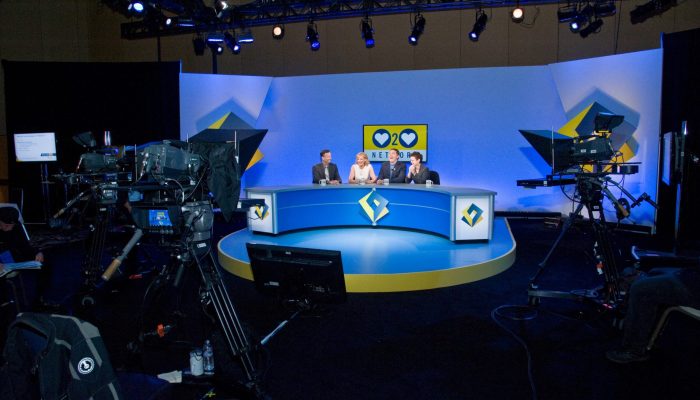
Many organizations now consider how in-person and virtual participation can work together when designing corporate meetings. Hybrid capabilities are not simply about adding a virtual audience to an existing event. They require thoughtful planning around communication, technology, content delivery, and participant engagement.
A strong hybrid experience considers the needs of every attendee. Remote participants should feel included rather than treated as observers, while in-person attendees should have opportunities to engage that complement the broader experience. This requires careful production strategy and an understanding of how different audiences interact with content.
After the rapid adoption of hybrid formats, the conversation has shifted from whether hybrid belongs in corporate meetings to how organizations can design hybrid experiences more effectively. The focus is now on creating meaningful participation, maintaining attention, and ensuring that the message remains consistent across formats.
For teams planning large-scale meetings, hybrid production can also provide flexibility while maintaining connection. When designed intentionally, a hybrid approach can support broader participation without losing the human elements that make meetings valuable.
Audience Engagement Turns Meetings Into Shared Experiences
Engagement is one of the most important factors in determining whether a global meeting creates lasting impact. Attendees are more likely to remember and apply information when they actively participate rather than simply receive messages.
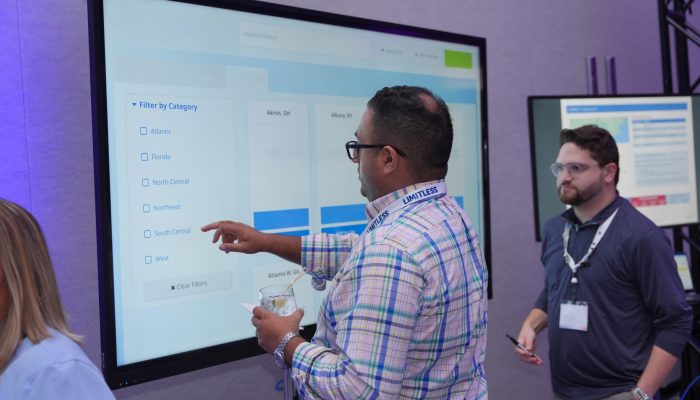
This is why effective meeting experiences often combine strategic content with opportunities for interaction. Discussions, collaborative activities, experiential elements, and relevant storytelling can help employees connect information to their own responsibilities.
Team-building approaches can also strengthen relationships when they are designed with intention. Team-building insights from industry conversations emphasize the role of experiences that encourage trust, communication, and meaningful participation among distributed teams.
For organizations, the goal is not engagement for its own sake. The goal is helping people leave with stronger relationships, better understanding, and greater confidence in moving forward together.
Production Strategy Shapes the Impact of Corporate Meetings
A successful global meeting requires alignment between strategy, creative development, technology, and execution. Every production decision influences how attendees experience the message and how effectively the organization communicates its goals.
DEVLINHAIR Production & Learning approaches meetings and experiences through this lens. We design and produce action-driven meetings, live events, and training experiences that move audiences.
This approach reflects an important shift in how organizations view meetings. They are not simply calendar events or communication checkpoints. They are opportunities to create understanding, reinforce culture, and help teams connect around shared objectives.
For global teams, the details matter. The structure of a session, the flow between activities, the quality of production, and the way content is delivered all contribute to whether attendees feel informed, involved, and connected.
Creating Stronger Connections Through International Team Meetings
The most valuable global meetings are built around a clear understanding of people, purpose, and outcomes. They recognize that bringing teams together is not only a logistical challenge but also an opportunity to strengthen relationships and improve collaboration.
Organizations planning international team meetings should consider several questions: What does the audience need to understand? What conversations need to happen? How can the experience support stronger connections after attendees return to their everyday roles?
By focusing on these questions, leaders can create meetings that are more meaningful and memorable. Whether delivered through virtual and in-person team meetings, hybrid experiences, or fully live gatherings, the objective remains the same: helping people connect around a common purpose.
Global meetings bring teams together when they are designed as experiences rather than events alone. Through thoughtful planning, intentional engagement, and a focus on human connection, organizations can create moments that strengthen collaboration and help distributed teams move forward with greater alignment.
Frequently Asked Questions
How do global meetings help bring distributed teams together?
Global meetings help distributed teams build stronger connections by creating opportunities for shared experiences, collaboration, and alignment around common goals. Unlike routine digital communication, well-designed corporate meetings allow employees to exchange perspectives, strengthen relationships, and better understand their role within the organization.
What makes international team meetings effective for collaboration and engagement?
Effective international team meetings combine clear objectives, purposeful content, and meaningful audience engagement. By incorporating strategic discussions, interactive sessions, and thoughtful production design, organizations can create experiences that improve communication and help teams work together more effectively.
Why are hybrid capabilities important for global corporate meetings?
Hybrid capabilities are important because they allow organizations to connect in-person and remote participants through a coordinated meeting experience. When supported by strong hybrid production, intentional content delivery, and audience-focused design, hybrid events can help maintain engagement and consistent messaging across different audiences.
Disclaimer: The above helpful resources content contains general insights and perspectives for informational purposes only. The information provided is for general knowledge and does not constitute professional advice.
You may also be interested in: Experiential Marketing Is Taking a More Strategic Role in the Brand Playbook
When your most important meeting, launch, summit, or training experience needs to move people, every detail matters. Strategy guides the work. Creativity shapes the story. Precision brings it to life. DEVLINHAIR Production & Learning designs and produces action-driven meetings, live events, and training experiences that move audiences. From our New York City studio, DEVLINHAIR helps organizations bring complex ideas, leadership priorities, and learning moments to life with clarity, purpose, and production precision. Ready to create a hybrid experience your audience can follow, feel, and act on? Let’s talk.
Powered by flareAI.co