Marketing leaders invest in experiential events because information alone rarely creates alignment, understanding, or lasting connection. Whether the goal is introducing a new product, bringing teams together around a strategy, or helping audiences engage with a complex message, the challenge is designing an experience that turns communication into action.
That is why experiential events require more than a compelling concept or an impressive environment. Successful experiences are built around clear objectives, thoughtful audience design, and precise execution. For marketing leaders, the opportunity is to view events not simply as moments on a calendar, but as strategic touchpoints that support brand relationships, employee engagement, customer understanding, and business goals.
When your most important meeting, launch, summit, or training experience needs to move people, every detail matters. Strategy guides the work. Creativity shapes the story. Precision brings it to life. DEVLINHAIR Production & Learning designs and produces action-driven meetings, live events, and training experiences that move audiences. From our New York City studio, DEVLINHAIR helps organizations bring complex ideas, leadership priorities, and learning moments to life with clarity, purpose, and production precision. Ready to create a hybrid experience your audience can follow, feel, and act on? Let’s talk.
Experiential Events Are About Creating Meaningful Audience Connections
The strongest experiential marketing events begin with a clear understanding of what an audience needs to know, feel, and do after the experience. A product launch, leadership summit, sales meeting, or training program each has a different purpose, which means the experience design should reflect the desired outcome.
For marketing teams, this shift changes the way events are planned. Instead of asking only what attendees will see, leaders should consider how participants will interact with the message, how the experience supports retention, and how the event contributes to a larger communication strategy.
Effective experiences often combine storytelling, environment, technology, and human interaction to create moments that feel relevant to the audience. The goal is not simply attention. It is helping people understand the message and connect it to their own role, priorities, or decisions.
This approach is especially important for organizations managing complex ideas. A new product, strategic initiative, or organizational change may require more than a presentation. An intentional experience can make information easier to understand by giving audiences opportunities to engage with the story being shared.
The Role of Strategy in Experiential Event Design
An effective experiential event strategy starts before production begins. Marketing leaders need to define the purpose of the experience, the audience expectations, and the outcomes that matter most.
Align the Experience with Business Objectives
Every event should have a reason for existing beyond attendance. A leadership meeting may be designed to create alignment around priorities. A training experience may focus on improving understanding and confidence. A launch event may help audiences connect with the value of a new offering.
When objectives are clear, creative decisions become more focused. Content, staging, audience interaction, and production choices can all work together toward the same goal instead of becoming disconnected elements.
Marketing leaders should also consider how an experience fits into the broader audience journey. The most effective events create value before, during, and after the live moment through preparation, engagement, follow-through, and continued communication.
Design for Participation, Not Passive Attendance
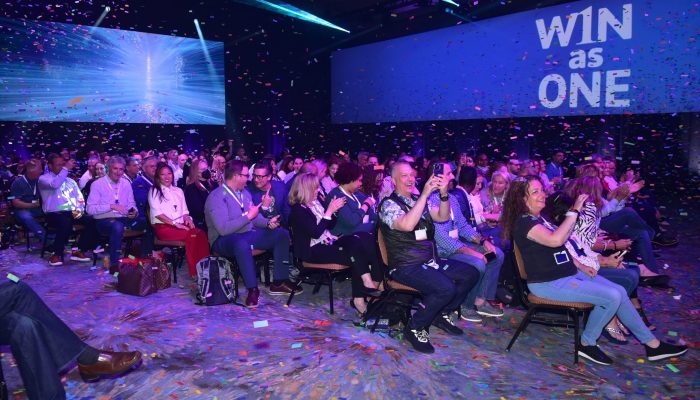
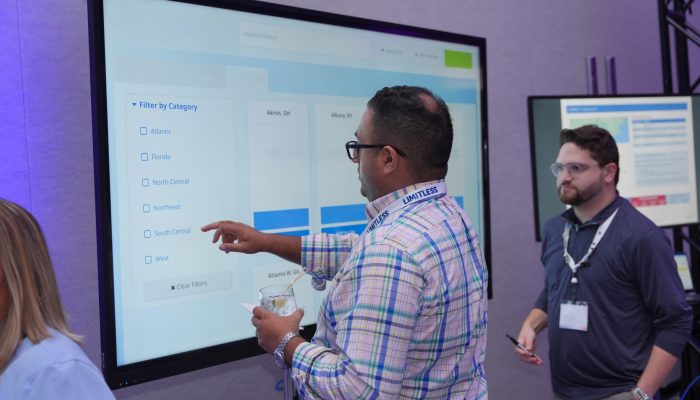
Modern audiences expect experiences that allow them to participate. This does not always require complex technology or elaborate installations. Often, meaningful engagement comes from thoughtful interaction, relevant content, and opportunities for connection.
Recent experiential industry discussions have emphasized that successful events are increasingly focused on participation, community, and intentional design rather than relying on technology alone. Experiential trends show that brands are exploring ways to make audiences active contributors to the experience while improving efficiency and measuring impact.
Why Experiential Events Require Production Precision
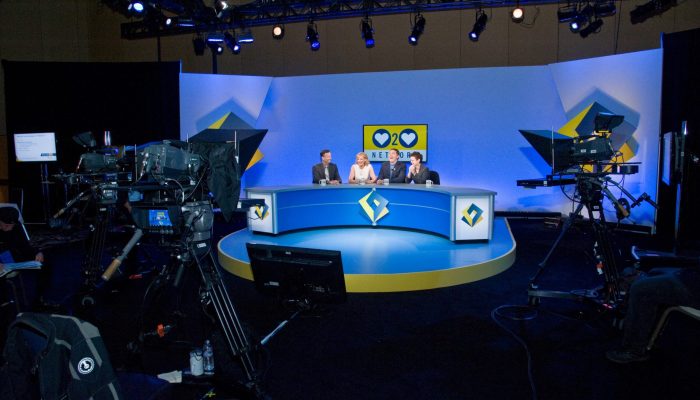
A strong idea only becomes a successful experience when the production strategy supports it. Experiential events involve many moving parts, including content flow, technical execution, audience movement, timing, and communication across teams.
For corporate events, production quality directly affects how audiences experience the message. A poorly timed transition, unclear content structure, or disconnected digital element can distract from the purpose of the event. A well-produced experience allows the audience to focus on the story rather than the mechanics behind it.
This is where experienced production teams play an important role. They help translate strategy into an environment where creative ideas can function effectively in real conditions.
DEVLINHAIR Production & Learning approaches this work through a combination of strategy, creativity, and execution. The focus is on designing and producing action-driven meetings, live events, and training experiences that move audiences.
For marketing leaders, this means evaluating partners not only by creative capability but also by their ability to manage complexity, maintain consistency, and deliver an experience that supports the intended outcome.
How Experiential Events Support Stronger Brand Experiences
Brand experience events are most effective when they help audiences form a clearer understanding of what a brand represents. This applies to external audiences, employees, partners, and stakeholders who need to connect with an organization’s message.
A memorable experience is not created by visual impact alone. It comes from connecting the environment, content, and audience interaction around a meaningful purpose.
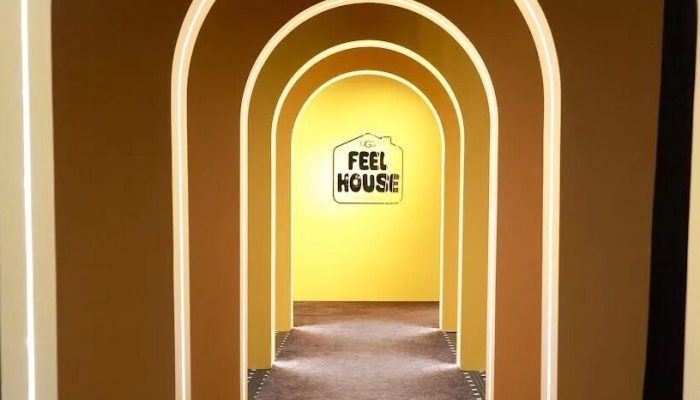
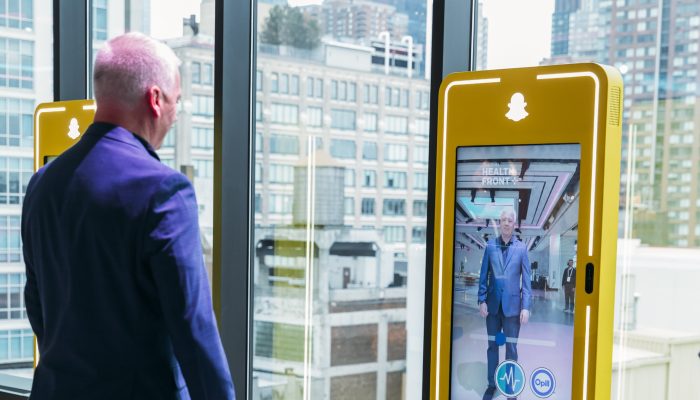
For example, an immersive product experience can help audiences understand a solution by allowing them to explore its value in context. A leadership summit can strengthen alignment by creating space for discussion and shared understanding. A training experience can improve learning by combining information with interaction and practice.
The best experiences are designed around the audience’s needs rather than the organization’s desire to simply deliver information. This audience-first approach helps create stronger engagement and more meaningful outcomes.
Measuring the Benefits of Experiential Events
Marketing leaders increasingly need to understand how events contribute to broader goals. Attendance numbers alone rarely explain whether an experience was successful.
The benefits of experiential events can include stronger audience engagement, improved message retention, deeper relationships, and better alignment around important initiatives. The right measurements depend on the purpose of the event.
For a product launch, leaders may consider how effectively the experience communicates the product story. For a training program, they may focus on knowledge transfer and participant confidence. For an internal meeting, they may evaluate alignment and readiness to act.
Industry conversations around brand experiences are also placing greater emphasis on measuring engagement quality, audience sentiment, and long-term influence rather than focusing only on attendance. Brand experience insights highlight the importance of creating experiences that support broader business objectives through meaningful participation and connection.
Building an Experiential Event Approach That Delivers Lasting Value
For marketing leaders, the future of experiential events is not about creating bigger moments for their own sake. It is about creating more intentional ones.
The strongest experiences combine strategic thinking, creative storytelling, and operational discipline. They help organizations communicate important messages in ways that audiences can understand, remember, and apply.
Whether planning a corporate meeting, training experience, product launch, or hybrid program, leaders should begin with the audience challenge they need to solve. From there, every decision from content design to production execution should support that purpose.
Experiential events work best when they are treated as strategic communication tools rather than standalone occasions. By focusing on audience engagement, thoughtful design, and measurable outcomes, marketing leaders can create experiences that strengthen relationships and support meaningful business goals.
Frequently Asked Questions
What are experiential events and why are they important for marketing leaders?
Experiential events are strategic experiences designed to help audiences engage with a brand, message, or initiative through meaningful interaction. They help marketing leaders create stronger connections by combining storytelling, audience engagement, and intentional event design to support business goals.
How do experiential marketing events improve audience engagement?
Experiential marketing events improve audience engagement by creating opportunities for participants to interact with content instead of simply receiving information. Through thoughtful experiences, corporate meetings, product launches, and hybrid events can make messages more memorable and relevant to attendees.
How can companies measure the benefits of experiential events?
Companies can measure the benefits of experiential events by evaluating outcomes such as audience engagement, message retention, relationship building, and alignment with event objectives. The right measurement approach depends on whether the experience focuses on a product launch, corporate meeting, training experience, or another strategic goal.
Disclaimer: The above helpful resources content contains general insights and perspectives for informational purposes only. The information provided is for general knowledge and does not constitute professional advice.
You may also be interested in: New Tools Enhance Audience Participation in Live and Virtual Events
When your most important meeting, launch, summit, or training experience needs to move people, every detail matters. Strategy guides the work. Creativity shapes the story. Precision brings it to life. DEVLINHAIR Production & Learning designs and produces action-driven meetings, live events, and training experiences that move audiences. From our New York City studio, DEVLINHAIR helps organizations bring complex ideas, leadership priorities, and learning moments to life with clarity, purpose, and production precision. Ready to create a hybrid experience your audience can follow, feel, and act on? Let’s talk.
Powered by flareAI.co