Corporate communication succeeds when audiences do more than receive information. They need to understand the message, connect it to their role, and know what action comes next. For leadership meetings, product launches, training programs, and internal events, the challenge is not simply delivering content. It is creating an experience that helps people listen, engage, and remember. Live production gives organizations the structure, storytelling, and technical precision needed to turn important messages into meaningful moments.
Many corporate communications begin as a collection of messages: a leadership update, a strategic announcement, a product story, or a training objective. The effectiveness of those messages depends on how they are delivered. A well-produced experience can create a clearer narrative by combining speakers, visuals, video content, staging, and audience interaction into one cohesive communication journey.
Live production for corporate communication is not only about technical execution. It is about designing the conditions for better understanding. When production choices support the purpose of an event, audiences are more likely to stay engaged with the information being presented.
A leadership message can feel more personal. A complex product story can become easier to follow. A training experience can create stronger connections between concepts and real-world application.
This approach changes the role of events from simple information-sharing moments into communication platforms. Organizations can use production strategies to create experiences that support alignment, reinforce priorities, and help audiences connect emotionally and intellectually with key messages.
When your most important meeting, launch, summit, or training experience needs to move people, every detail matters. Strategy guides the work. Creativity shapes the story. Precision brings it to life. DEVLINHAIR Production & Learning designs and produces action-driven meetings, live events, and training experiences that move audiences. From our New York City studio, DEVLINHAIR helps organizations bring complex ideas, leadership priorities, and learning moments to life with clarity, purpose, and production precision. Ready to create a hybrid experience your audience can follow, feel, and act on? Let’s talk.
Why Corporate Messages Need More Than Traditional Presentations
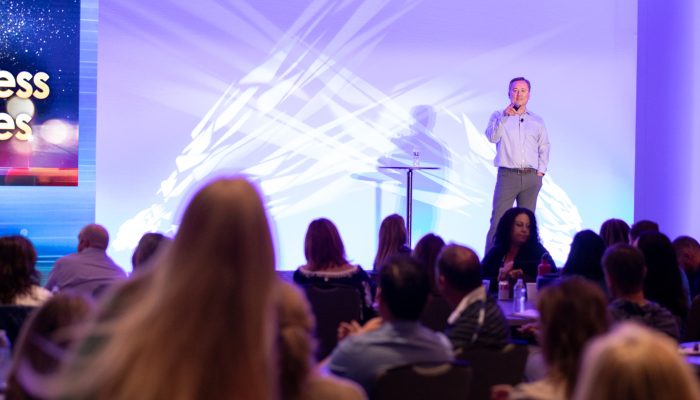
Traditional presentations often rely heavily on slides, speakers, and prepared remarks. These elements remain valuable, but modern audiences increasingly expect communication experiences that are structured, visually engaging, and easier to absorb. The challenge for organizations is finding ways to make important messages feel relevant rather than routine.
Corporate event storytelling helps address this challenge by creating a stronger connection between information and audience experience. A message becomes more memorable when it has a clear beginning, progression, and conclusion. Video segments, executive interviews, demonstrations, audience participation, and creative environments can all support the story an organization wants to tell.
For example, a company-wide meeting may need to communicate a strategic shift across different teams. A product launch may need to explain not only what a new offering does, but why it matters. A training event may need to help participants retain information long after the session ends. In each situation, production decisions influence how effectively the message is received.
Professional production teams help organizations think beyond individual presentation elements and consider the complete audience journey. This includes how people enter the experience, how information is introduced, how attention is maintained, and how key moments are reinforced.
Live Event Production Creates More Engaging Experiences
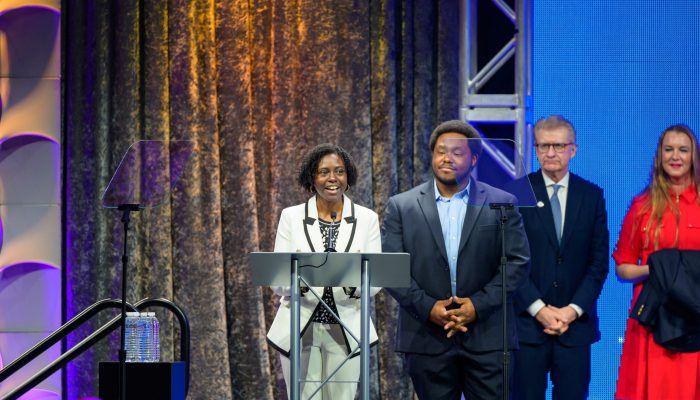
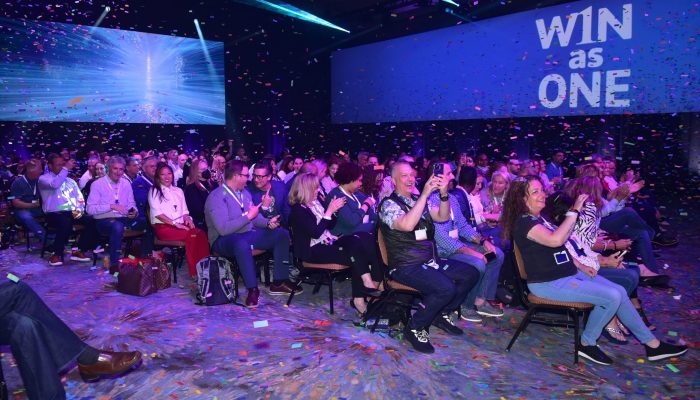
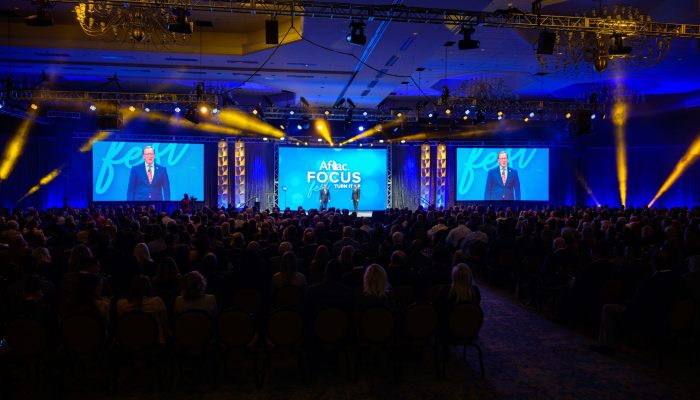
The benefits of live event production come from combining creative strategy with technical execution. Elements such as lighting, sound, visuals, camera direction, staging, and broadcast techniques can shape how audiences experience a message. When these components work together, the production becomes part of the communication strategy rather than something added at the final stage.
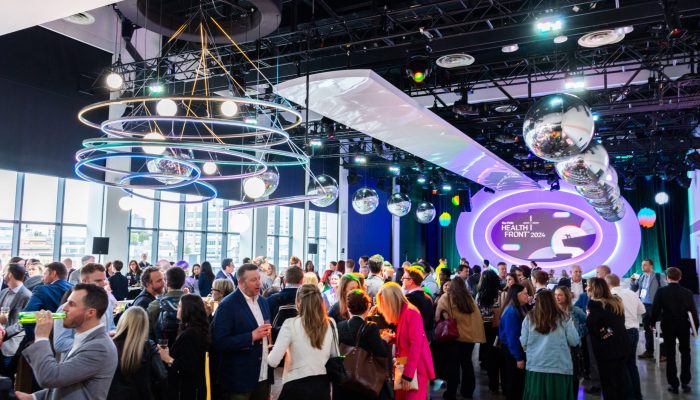
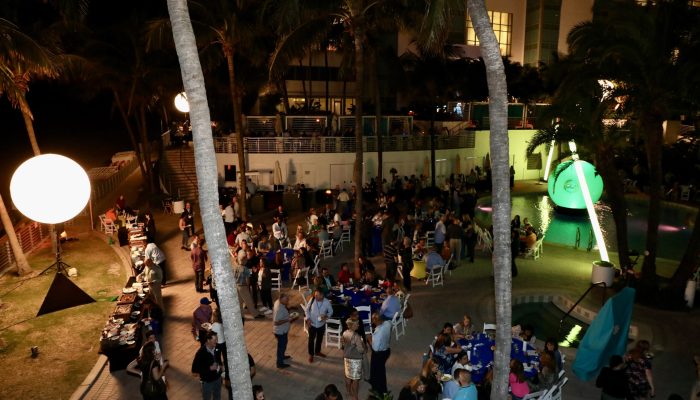
Corporate events are also becoming more experience-focused. Organizations are looking for ways to create stronger connections between presenters and audiences, especially when events involve large groups, distributed teams, or multiple participation formats. A production approach that considers engagement from the beginning can help create a more consistent and accessible experience.
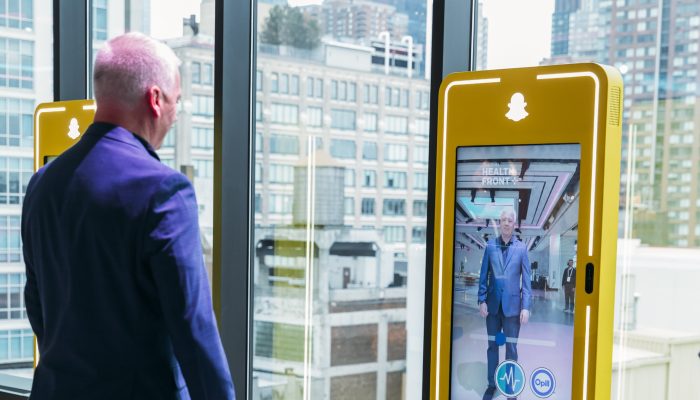
Industry discussions around corporate event production increasingly highlight the importance of using production techniques to improve audience connection. Corporate event production trends show how technology, design, and storytelling are becoming more closely connected in business experiences.
For communication leaders, the key consideration is not adding production elements simply because they are available. Each choice should serve a purpose. A visual element should clarify a message. A broadcast component should improve access. An interactive moment should strengthen participation. Effective production begins with understanding what the audience needs to experience.
Hybrid Capabilities Expand Communication Opportunities
After the rapid rise of hybrid events in 2022 and 2023, many organizations have moved beyond asking whether hybrid belongs in their communication strategy. The more important question is how to design hybrid experiences effectively. Successful hybrid communication requires more than placing a camera in front of a stage. It requires thoughtful planning around participation, content flow, and audience connection.
Hybrid event communication strategies work best when in-person and remote audiences are considered from the start. Remote participants need intentional engagement opportunities, clear visibility into the experience, and content formats that help them remain connected. In-person attendees need an environment that encourages interaction and reinforces the importance of the shared moment.
Live production supports this approach by creating consistency across different audience experiences. Broadcast-style elements, carefully planned transitions, and audience-focused content design can help organizations communicate effectively across multiple formats.
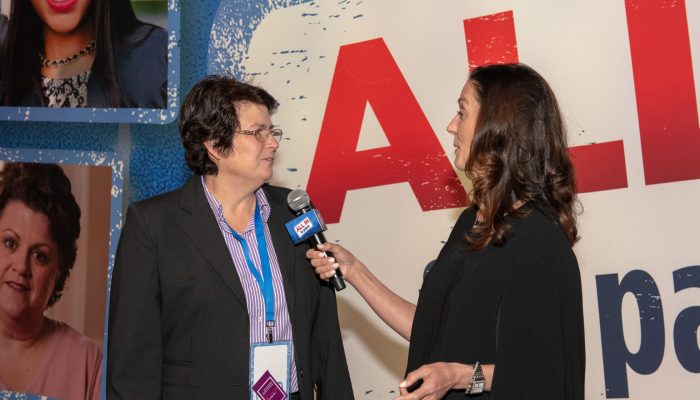
A custom broadcast approach can also extend the life of an event beyond the live moment. Broadcast-style event engagement demonstrates how organizations can use programming techniques, interviews, and original content to create stronger connections before, during, and after corporate gatherings.
Production Strategy Helps Turn Information Into Action
Effective corporate communication is measured by what audiences understand and do after an experience. A successful meeting, launch, or training program should not only deliver information. It should help people connect that information to decisions, behaviors, and next steps.
This is where production strategy becomes closely connected to learning design and audience engagement. The structure of an experience can influence whether people remain focused, understand priorities, and remember important details. A carefully designed sequence of content can make complex topics easier to follow and create stronger moments of connection.
For DEVLINHAIR Production & Learning, effective experience design starts with a clear strategic foundation. We design and produce action-driven meetings, live events, and training experiences that move audiences.
This approach reflects a broader understanding of production as a communication discipline. The goal is not simply to deliver an event successfully. The goal is to create an experience where every element supports the message, from creative direction and storytelling to technical execution and audience engagement.
What Organizations Should Consider Before Their Next Experience
When planning a corporate meeting, training program, or live event, communication leaders should begin with the audience and the desired outcome. The most effective production strategies are built around what people need to understand, feel, and do after the experience.
- What is the primary message? A clear purpose helps determine the right format, content structure, and production approach.
- Who needs to engage with the message? Different audiences may require different levels of interaction, context, or accessibility.
- How should the experience continue beyond the live moment? Content planning can help extend communication through follow-up resources, recordings, or ongoing learning opportunities.
- Which production elements create real value? Technology and creative choices should support communication goals rather than distract from them.
By treating production as part of the communication strategy, organizations can create experiences that are clearer, more engaging, and more aligned with business objectives.
Building More Effective Corporate Experiences Through Production
Live production has become an important part of how organizations communicate during moments that matter. Whether the goal is aligning employees, launching a product, sharing leadership priorities, or delivering training, the quality of the experience influences how audiences receive and remember the message.
The strongest corporate experiences combine strategic thinking, creative storytelling, and precise execution. They recognize that communication is not only about what is said, but also about how people experience the message.
For organizations planning their next meeting, live event, or training experience, thoughtful production provides a way to transform information into connection. By designing experiences around audience needs and communication goals, companies can create moments that encourage understanding, engagement, and action.
Frequently Asked Questions
How does live production improve corporate communication during meetings and events?
Live production improves corporate communication by combining storytelling, visuals, technical execution, and audience-focused design to make messages clearer and more memorable. It helps organizations deliver leadership meetings, product launches, and training experiences in ways that encourage understanding and engagement.
What are the benefits of live event production for corporate presentations?
Live event production benefits corporate presentations by transforming standard information delivery into a more engaging experience. Production elements such as staging, video, lighting, sound, and audience interaction can support corporate event storytelling and help audiences connect with key messages.
How can hybrid event communication strategies improve audience engagement?
Hybrid event communication strategies improve audience engagement by designing experiences that connect both in-person and remote participants. Effective hybrid production uses intentional content planning, broadcast techniques, and interactive elements to help all audiences stay connected to the message.
Disclaimer: The above helpful resources content contains general insights and perspectives for informational purposes only. The information provided is for general knowledge and does not constitute professional advice.
You may also be interested in: Leadership Programs Incorporate Experiential Learning Approaches
When your most important meeting, launch, summit, or training experience needs to move people, every detail matters. Strategy guides the work. Creativity shapes the story. Precision brings it to life. DEVLINHAIR Production & Learning designs and produces action-driven meetings, live events, and training experiences that move audiences. From our New York City studio, DEVLINHAIR helps organizations bring complex ideas, leadership priorities, and learning moments to life with clarity, purpose, and production precision. Ready to create a hybrid experience your audience can follow, feel, and act on? Let’s talk.
Powered by flareAI.co