Choosing a corporate event production company is a decision that can shape how effectively an organization communicates with employees, customers, partners, or other key audiences. A successful event requires more than technical execution or a polished stage design. The right production partner helps translate business objectives into experiences that are clear, engaging, and memorable, whether the goal is launching a product, aligning teams at a leadership summit, delivering a training experience, or connecting audiences through a hybrid format.
When your most important meeting, launch, summit, or training experience needs to move people, every detail matters. Strategy guides the work. Creativity shapes the story. Precision brings it to life. DEVLINHAIR Production & Learning designs and produces action-driven meetings, live events, and training experiences that move audiences. From our New York City studio, DEVLINHAIR helps organizations bring complex ideas, leadership priorities, and learning moments to life with clarity, purpose, and production precision. Ready to create a hybrid experience your audience can follow, feel, and act on? Let’s talk.
Look Beyond Production Capabilities to Find Strategic Alignment
When evaluating a potential event production partner, organizations often begin with practical considerations: available services, technical resources, past projects, and production experience. Those factors matter, but they only tell part of the story. A strong partner should also understand the purpose behind the event and how every creative and technical decision supports that objective.
The best corporate event production companies approach an event as a communication experience rather than a collection of production elements. Lighting, staging, video, sound, content delivery, and audience interaction should all work together to reinforce the message attendees need to understand and remember.
This strategic alignment is especially important for complex programs such as sales meetings, leadership gatherings, product launches, and training experiences. These events often need to accomplish several goals at once: communicate information, inspire action, strengthen relationships, and create alignment across audiences.
Before choosing a partner, decision-makers should consider whether the company takes time to understand the business challenge behind the event. A production team that asks thoughtful questions about audience, objectives, and desired outcomes is more likely to create an experience that supports the organization’s goals.
Evaluate Experience Across Different Event Formats
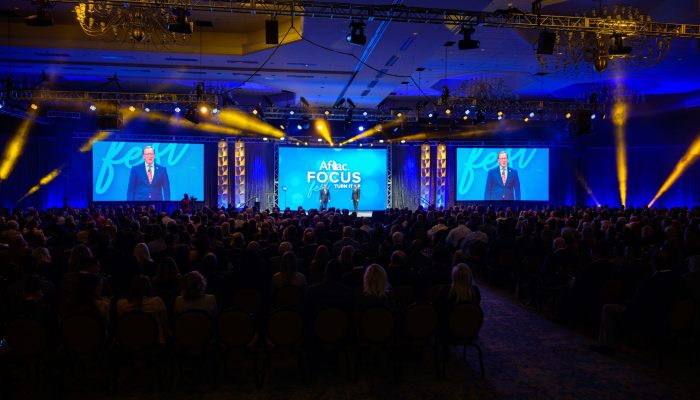
Corporate events continue to take many forms, from intimate executive meetings to large-scale experiences involving multiple locations, digital audiences, and complex production requirements. When choosing a corporate event production company, organizations should look for experience that matches the type of engagement they are creating.
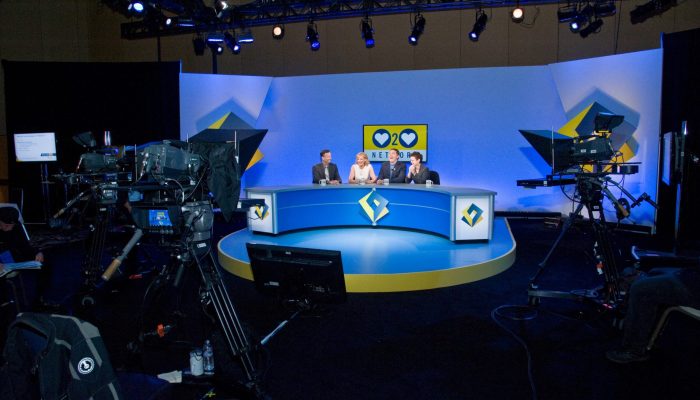
A partner with experience in live events may bring valuable expertise in stage management, technical production, and in-room audience engagement. A team with hybrid production experience should understand how to create a consistent experience for both in-person and remote participants, rather than treating virtual attendees as an afterthought.
Hybrid capabilities are particularly important when organizations need flexibility in how audiences participate. After the rapid rise of hybrid events in 2022 and 2023, the focus has shifted from simply adding a virtual component to designing experiences where every participant has a meaningful role.
Organizations should also consider whether a potential partner understands learning-driven experiences. Training programs, internal communications events, and sales enablement meetings require more than visual impact. They need thoughtful content structure, audience engagement strategies, and production choices that help people absorb and apply information.
Ask the Right Questions Before Selecting a Production Partner
Choosing an event production partner requires looking beyond a portfolio of impressive visuals. A company’s approach, communication style, and problem-solving process can have a significant impact on the success of the final experience.
During the evaluation process, organizations should ask questions that reveal how a production company works under real conditions. Important considerations include how the team manages changing requirements, collaborates with internal stakeholders, handles technical challenges, and maintains quality throughout production.
Industry experts increasingly encourage companies to explore questions beyond pricing and availability when selecting vendors. For example, questions worth asking before signing with an event vendor can help reveal a partner’s values, communication approach, and ability to build a productive working relationship.
- How does the team approach creative strategy and storytelling?
- What processes are used to manage production timelines and unexpected changes?
- How does the company measure whether an event successfully connected with its audience?
- What experience does the team have with similar meetings, launches, or training programs?
The answers can help organizations determine whether a company is simply providing production services or acting as a true strategic partner throughout the event lifecycle.
Balance Technology with Human-centered Experience Design
Technology continues to influence how corporate events are designed and delivered, but successful experiences depend on more than adopting the latest tools. The most effective production partners understand how technology supports communication, engagement, and connection.
Recent industry discussions around event agencies highlight how production companies are balancing tools such as machine learning, generative technologies, and data intelligence with the creative expertise required to build meaningful experiences. The 2026 ranking of top event agencies reflects how organizations are increasingly looking for partners that combine technical capabilities with strong creative and operational teams.
For corporate teams, this means technology should serve a clear purpose. A virtual platform should make participation easier. Audience interaction tools should encourage involvement. Data and analytics should provide insight that helps teams understand engagement and improve future experiences.
The strongest event production partners know when to use technology and when to focus on human connection. A successful corporate event is not defined by how many tools are included, but by whether those tools help audiences understand, participate, and respond.
Consider Creative Strategy, Storytelling, and Audience Engagement
Corporate events often carry important messages, from introducing a new product direction to aligning teams around organizational priorities. A production partner should be able to help shape those messages into an experience that audiences can follow and remember.
Creative strategy plays an important role in determining how information is presented. A leadership summit may require a different approach from a product launch, while a training experience may depend on interaction and retention rather than visual spectacle alone.
For DEVLINHAIR Production & Learning, effective experience design begins with a clear strategic foundation. That approach helps organizations design and produce action-driven meetings, live events, and training experiences that move audiences.
Audience engagement should be considered throughout the entire process, from initial concept development through final execution. The strongest experiences create opportunities for participants to connect with the message, interact with the content, and understand what action comes next.
Review Production Processes, Team Structure, and Long-term Fit
A corporate event production company is not only responsible for delivering an event on schedule. The partner also becomes part of the team responsible for managing complexity, coordinating details, and maintaining consistency from planning through execution.
Organizations should evaluate how a production company structures its work. Clear communication processes, experienced project leadership, and collaboration between creative and technical teams can help reduce friction during a demanding production timeline.
The relationship between an organization and its production partner often extends beyond a single event. Companies that regularly host meetings, launches, summits, or training programs benefit from working with teams that understand their communication goals and can build knowledge over time.
When comparing options, decision-makers should look for a partner that combines creative thinking with operational discipline. A memorable event depends on both: the ability to imagine a compelling experience and the precision required to bring that experience to life.
Choosing the Right Partner Starts with Understanding Your Goals
The process of choosing a corporate event production company begins with a clear understanding of what the event needs to achieve. Organizations should look for partners that can connect strategy, creativity, technology, and production execution into a unified experience.
The right event production partner is not simply a vendor managing logistics. It is a team that understands audience needs, supports business objectives, and helps transform important moments into experiences that create lasting impact. By evaluating strategic alignment, relevant experience, communication style, and production expertise, organizations can make more informed decisions and build stronger foundations for successful corporate events.
Frequently Asked Questions
What should you look for in a corporate event production company?
Look for a corporate event production company that combines strategic thinking, creative development, technical expertise, and reliable execution. The right partner should understand your business objectives, audience needs, and event format so they can create experiences that support meetings, launches, training programs, and other important business moments.
How do you choose a corporate event production partner for a hybrid or live event?
Choose an event production partner with experience managing the specific format and complexity of your event, including live production, hybrid capabilities, audience engagement, and technical coordination. A strong partner should be able to explain how they use production strategy and technology to create a consistent experience for every participant.
What questions should you ask an event production company before hiring them?
Ask questions about their creative process, production approach, communication style, experience with similar corporate events, and how they handle unexpected challenges. These answers can help you determine whether the company is simply providing corporate event production services or acting as a strategic partner focused on your goals.
Disclaimer: The above helpful resources content contains general insights and perspectives for informational purposes only. The information provided is for general knowledge and does not constitute professional advice.
You may also be interested in: Data Analytics Help Measure Impact of Experiential Marketing Campaigns
When your most important meeting, launch, summit, or training experience needs to move people, every detail matters. Strategy guides the work. Creativity shapes the story. Precision brings it to life. DEVLINHAIR Production & Learning designs and produces action-driven meetings, live events, and training experiences that move audiences. From our New York City studio, DEVLINHAIR helps organizations bring complex ideas, leadership priorities, and learning moments to life with clarity, purpose, and production precision. Ready to create a hybrid experience your audience can follow, feel, and act on? Let’s talk.
Powered by flareAI.co