When organizations invest in a leadership summit, product launch, sales meeting, or training experience, the challenge is rarely limited to delivering information. The real challenge is creating an experience where the message is clear, the audience stays engaged, and every element supports the intended outcome. This is where integrated event production takes a different approach. Instead of treating strategy, creative development, technology, production, and audience engagement as separate steps, an integrated model connects them from the beginning to create a more cohesive experience.
When your most important meeting, launch, summit, or training experience needs to move people, every detail matters. Strategy guides the work. Creativity shapes the story. Precision brings it to life. DEVLINHAIR Production & Learning designs and produces action-driven meetings, live events, and training experiences that move audiences. From our New York City studio, DEVLINHAIR helps organizations bring complex ideas, leadership priorities, and learning moments to life with clarity, purpose, and production precision. Ready to create a hybrid experience your audience can follow, feel, and act on? Let’s talk.
Understanding What Integrated Event Production Means
What is integrated event production? At its core, it is a coordinated approach that brings together the strategic, creative, and operational elements required to deliver an effective event experience. Rather than handing different parts of an event to disconnected teams, integrated production creates alignment between the vision and the execution.
Traditional event production models often separate planning stages. A creative concept may be developed independently from technical production decisions, while audience engagement considerations may be addressed later in the process. An integrated approach considers these elements together so that every decision contributes to the same objective.
This matters because corporate experiences are often designed to achieve more than attendance. A leadership meeting may need to reinforce organizational priorities. A product launch may need to help audiences understand a complex offering. A training experience may need to improve knowledge retention and encourage action after the event.
Integrated event production services support these goals by creating a connected workflow where messaging, content, design, technology, and execution are considered together. The result is an integrated event experience built around purpose rather than a collection of individual production elements.
Why Integration Changes the Event Production Strategy
A strong event production strategy begins with understanding the outcome an organization wants to create. The question is not only what the audience will see, but also what they should understand, feel, remember, and do after the experience.
This shift changes how teams approach decisions throughout the production process. Instead of selecting technology because it is available or adding creative elements because they appear impressive, integrated teams evaluate each choice based on how it supports the broader experience.
For example, a presentation format, stage design, video element, or interactive component should not exist independently. Each piece should strengthen the overall narrative and help the audience follow the intended journey. When strategy and execution are connected, production choices become more intentional.
Industry discussions around integrated experiences highlight the importance of combining creative development, production execution, audience engagement, and measurement into one connected process. Integrated experience agency capabilities increasingly reflect this approach by helping organizations move beyond simply delivering events and toward creating experiences connected to broader business goals.
The Role of Creative Strategy in Integrated Experiences
Creativity has the greatest impact when it is connected to a clear purpose. An effective experiential event production approach does not begin with visuals, technology, or entertainment. It begins with understanding the audience and the message that needs to be communicated.
Creative strategy helps determine how an idea becomes an experience. It influences the structure of a meeting, the flow of a launch event, the storytelling approach of a brand experience, or the way learning content is delivered during a training program.
For DEVLINHAIR Production & Learning, effective experience design starts with a clear strategic foundation. We design and produce action-driven meetings, live events, and training experiences that move audiences.
This approach helps organizations create experiences where creative decisions support business objectives. A memorable moment is valuable, but the strongest experiences also help audiences understand information, connect with ideas, and take meaningful action.
Integrated production also creates stronger collaboration between creative and technical teams. When production requirements are considered alongside creative development, teams can identify opportunities earlier and create solutions that are both ambitious and practical.
How Integrated Production Supports More Engaging Audience Experiences
Audience expectations have changed. People attending corporate meetings, conferences, launches, and training programs are looking for experiences that encourage participation rather than passive information delivery.
This does not mean every event needs to rely on complex technology or dramatic effects. Engagement often comes from thoughtful design choices: clearer storytelling, relevant content, meaningful interaction, and a format that respects how audiences absorb information.
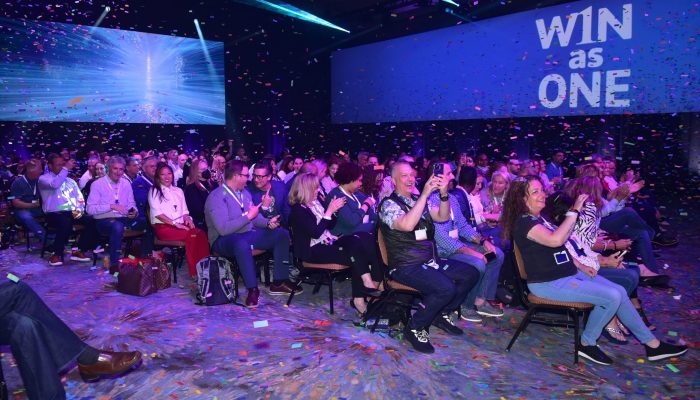
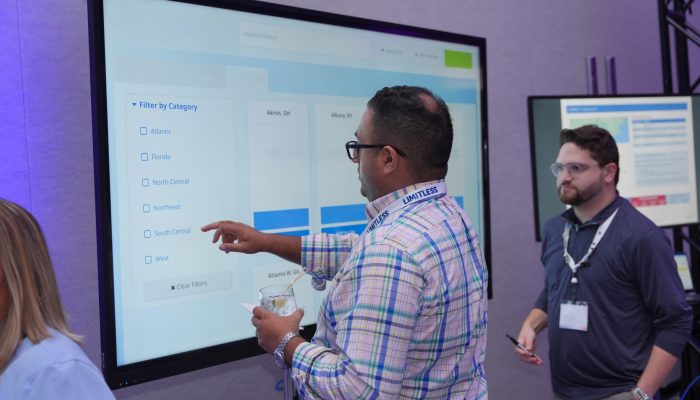
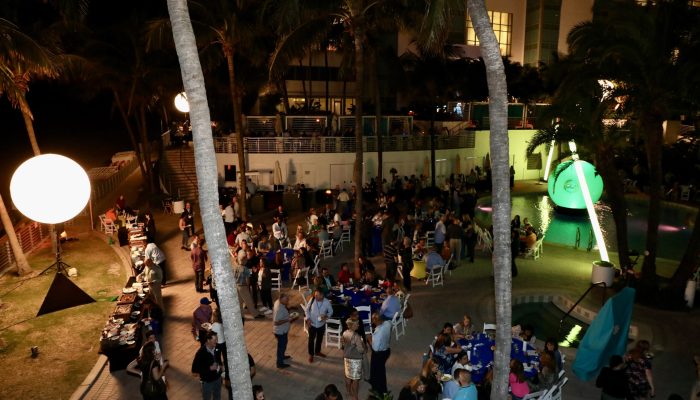
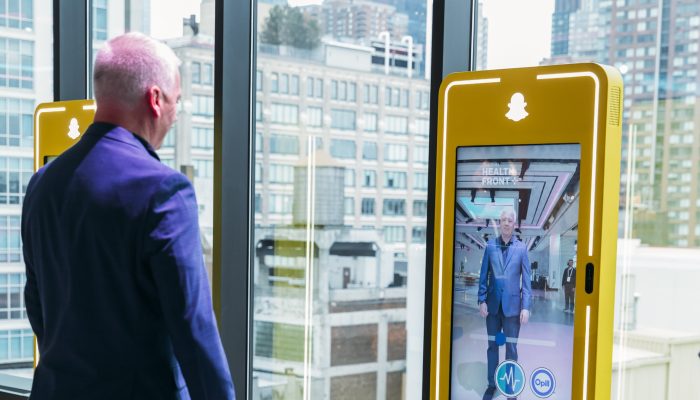
Immersive experiences are increasingly influencing how organizations think about live events. Industry coverage has highlighted how interactive design, technology, creative environments, and personalized elements are shaping attendee expectations. Immersive event experience trends demonstrate why collaboration between creative, production, and engagement teams is important when designing experiences that feel connected.
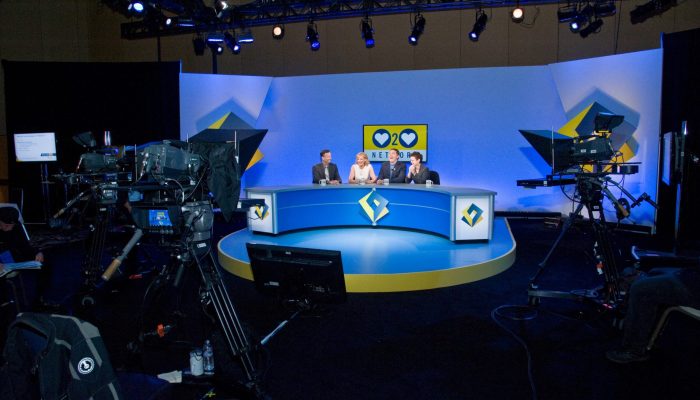
Integrated event production helps bring these elements together. A hybrid event, for example, requires more than adding a virtual audience to an in-person program. It requires thoughtful planning around content delivery, audience participation, technical execution, and the relationship between different attendee groups.
By considering the complete audience journey, production teams can create experiences that work across different formats while maintaining a consistent message and purpose.
Integrated Event Production and Complex Corporate Programs
Large corporate experiences often involve multiple priorities at the same time. A global meeting may need to communicate strategic direction, recognize achievements, train employees, and strengthen connections among teams. A product launch may need to introduce a new idea while creating confidence and excitement among key audiences.
These programs require coordination across many disciplines. Content teams, creative teams, production specialists, technical teams, and organizational stakeholders must work toward the same outcome.
This is where the benefits of integrated event production become clear. A connected production model can reduce unnecessary complexity by creating a shared process for decision-making. Teams can identify challenges earlier, maintain consistency across different touchpoints, and ensure that every part of the experience supports the central message.
For organizations managing important moments, this approach can make the difference between an event that simply happens and an experience that achieves its intended purpose.
Choosing an Integrated Approach for Future Experiences
Organizations evaluating event production partners should look beyond individual capabilities and consider how those capabilities work together. A successful production process depends on more than creative ideas or technical execution alone. It requires a partner that understands how strategy, storytelling, production, and audience engagement connect.
- Is the experience built around a clear objective? Every element should support what the organization wants the audience to understand or accomplish.
- Are creative and production decisions connected? Strong collaboration helps ensure ideas can be delivered effectively.
- Does the approach consider the complete audience journey? Engagement should be intentional across every interaction.
- Can the production model adapt to different formats? Live, virtual, and hybrid experiences each require thoughtful planning.
Integrated event production is not simply a different way to manage logistics. It is a way to connect every part of an experience around a shared purpose. For organizations planning meetings, launches, training programs, and other high-impact moments, this alignment can create clearer communication, stronger engagement, and more meaningful outcomes.
As corporate experiences continue to evolve, the most effective programs will be those where strategy, creativity, and execution work together from the start. Integrated production provides the framework for turning ideas into experiences that help audiences connect with messages and move toward action.
Frequently Asked Questions
What is integrated event production and how is it different from traditional event production?
Integrated event production connects strategy, creative development, technology, production execution, and audience engagement throughout the entire event process. Unlike traditional approaches that may separate these elements, an integrated model creates a unified experience where every decision supports the same business objective.
What are the benefits of integrated event production for corporate meetings and live events?
The benefits of integrated event production include stronger message alignment, smoother collaboration, and more intentional audience engagement. For corporate meetings, product launches, and live events, this approach helps teams create experiences where content, design, and production work together to support meaningful outcomes.
How does integrated event production support hybrid events and training experiences?
Integrated event production supports hybrid events and training experiences by connecting audience needs, content delivery, technical execution, and engagement strategies. This approach helps organizations design consistent experiences across formats while supporting learning goals, communication objectives, and audience participation.
Disclaimer: The above helpful resources content contains general insights and perspectives for informational purposes only. The information provided is for general knowledge and does not constitute professional advice.
You may also be interested in: Why Professional Training Production Improves Learning Outcomes
When your most important meeting, launch, summit, or training experience needs to move people, every detail matters. Strategy guides the work. Creativity shapes the story. Precision brings it to life. DEVLINHAIR Production & Learning designs and produces action-driven meetings, live events, and training experiences that move audiences. From our New York City studio, DEVLINHAIR helps organizations bring complex ideas, leadership priorities, and learning moments to life with clarity, purpose, and production precision. Ready to create a hybrid experience your audience can follow, feel, and act on? Let’s talk.
Powered by flareAI.co