Quick Listen:
Employee engagement is often discussed as a measurement challenge, but the deeper challenge is creating moments where people feel connected to a purpose, a team, and the work they do. A meeting, training program, leadership summit, or internal event is not successful simply because information was delivered. The real opportunity is to create an experience that helps employees understand priorities, participate in the conversation, and connect ideas to action.
When your most important meeting, launch, summit, or training experience needs to move people, every detail matters. Strategy guides the work. Creativity shapes the story. Precision brings it to life. DEVLINHAIR Production & Learning designs and produces action-driven meetings, live events, and training experiences that move audiences. From our New York City studio, DEVLINHAIR helps organizations bring complex ideas, leadership priorities, and learning moments to life with clarity, purpose, and production precision. Ready to create a hybrid experience your audience can follow, feel, and act on? Let’s talk.
Meaningful Experiences Turn Communication Into Connection
Organizations invest significant effort into communicating strategy, introducing change, and aligning teams. However, communication alone does not always create engagement. Employees are more likely to connect with messages when they are presented through experiences that encourage participation, reflection, and interaction.
This is where employee engagement experiences become an important part of workplace communication. Rather than treating internal events as one-way presentations, organizations can design moments that invite employees into the story. A leadership message can become more memorable when attendees have opportunities to discuss priorities, share perspectives, and understand how their roles contribute to broader goals.
Meaningful experiences also help address a common challenge for distributed teams: creating a shared sense of connection. When employees participate in the same experience, whether in person, virtually, or through a hybrid format, they have a stronger opportunity to feel included in the organization’s direction.
For internal communications and learning leaders, the focus should shift from simply asking, “What information do employees need?” to asking, “What experience will help employees understand, remember, and apply this information?”
Employee Engagement Begins with Intentional Experience Design
A successful employee experience starts before an event begins. The strongest internal engagement events are built around a clear purpose, audience understanding, and a thoughtful approach to how people will interact with the content.
For example, a product launch meeting may need employees to understand a new offering and feel confident communicating its value. A leadership summit may need teams to align around organizational priorities. A training experience may need participants to retain information and apply new skills after the session ends.
In each case, the experience design matters. Content, format, production choices, and audience participation all influence whether employees remain passive observers or become active participants.
An effective employee experience strategy considers the entire journey: what employees should know before the experience, what they should feel during it, and what actions they should take afterward. This approach helps organizations create experiences that support communication goals while strengthening workplace culture.
Interactive Experiences Help Employees Become Active Participants
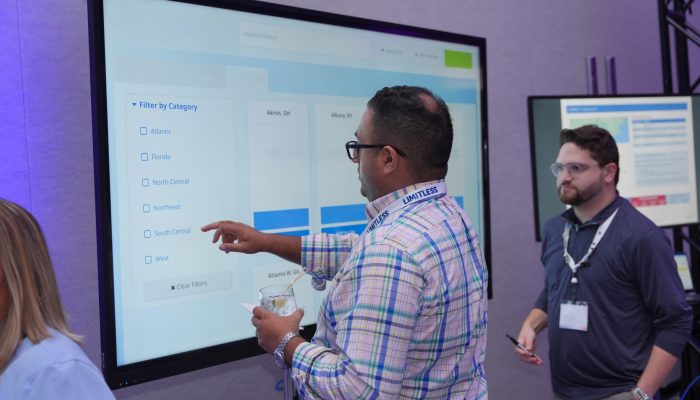
Employee engagement improves when people have opportunities to contribute rather than simply receive information. Interactive elements can transform internal gatherings into conversations where employees feel recognized and involved.
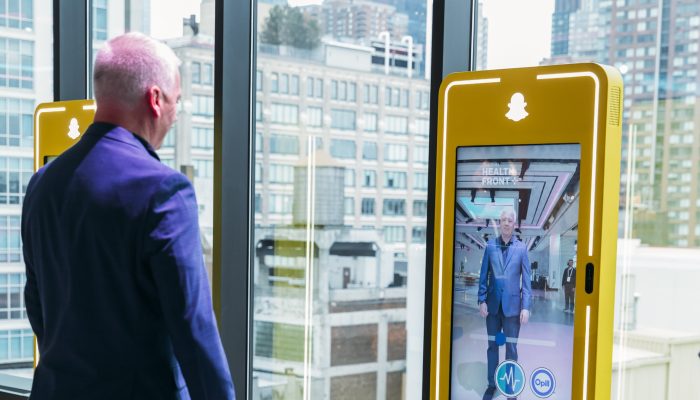
Industry examples show how organizations are using participation tools to extend engagement beyond a single event. Interactive platforms can help employees contribute content, share stories, and remain connected before, during, and after internal events. These approaches allow organizations to create ongoing conversations rather than limiting engagement to the scheduled event timeframe.
For corporate event leaders and internal communications teams, this represents a shift in thinking. Engagement is not only measured by attendance or completion. It is also reflected in whether employees feel involved, whether messages are understood, and whether the experience encourages continued participation.
Creating these opportunities requires thoughtful planning. Interactive features should support the purpose of the event rather than become distractions. The strongest experiences use participation to reinforce the message, strengthen connection, and create a clearer path from communication to action.
Learning Experiences Are Stronger When Employees Can Apply the Message
Training and professional development programs face a similar challenge: information does not automatically become knowledge. Employees need experiences that help them understand concepts, practice skills, and connect learning to real situations.
This is why experiential learning for employees continues to be an important consideration for organizations developing training programs. Learning experiences that include discussion, scenarios, collaboration, and practical application can help employees engage more deeply with the material.
For training teams, the goal is not simply to create a session that employees attend. The goal is to create an environment where employees can explore ideas, ask questions, and understand how learning applies to their responsibilities.
Experience design can support this by bringing together strategy, storytelling, production, and audience engagement. A well-designed training experience considers how people absorb information and how the format can encourage meaningful participation.
Corporate Events Can Strengthen Culture When They Have a Clear Purpose
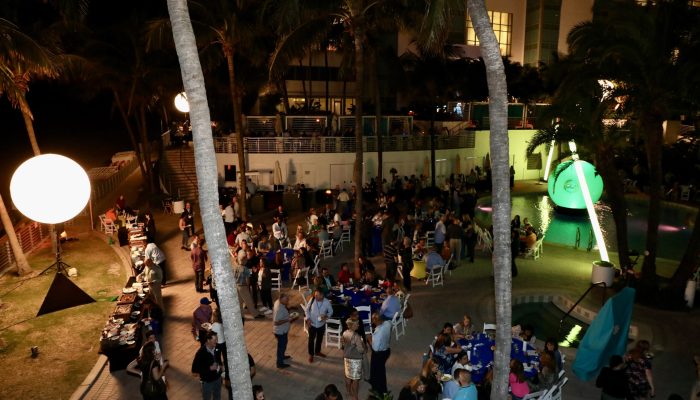
Internal events play an important role in helping organizations reinforce values, celebrate achievements, and align teams around shared objectives. However, the most effective events are not built around activity alone. They are built around intention.
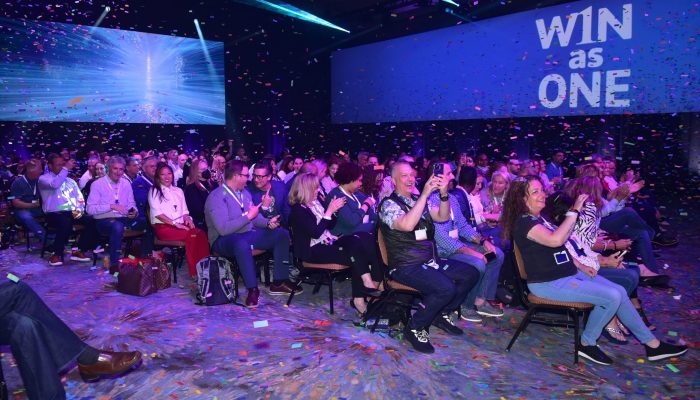
Whether the goal is a leadership meeting, sales meeting, company-wide gathering, or training program, organizations need to consider what employees should take away from the experience. A strong event connects the audience with a message that matters.
This is especially important when organizations are navigating change. Employees need more than updates; they need clarity, context, and opportunities to understand how change affects their work. A meaningful experience can help translate strategy into something employees can recognize and act on.
For DEVLINHAIR Production & Learning, effective experience design starts with a clear strategic foundation. We design and produce action-driven meetings, live events, and training experiences that move audiences.
This approach reflects an important principle in employee engagement: the experience itself is part of the message. When every element supports the intended outcome, organizations can create moments that are informative, memorable, and aligned with their goals.
Hybrid Capabilities Create More Opportunities for Employee Connection
Employee engagement is no longer limited to a single room or location. Organizations increasingly need experiences that support employees across different environments while maintaining a consistent message and sense of participation.
Hybrid capabilities allow organizations to design experiences that consider both in-person and remote audiences. The challenge is not simply adding a virtual component to an event. It is creating an experience where every participant has a meaningful role.
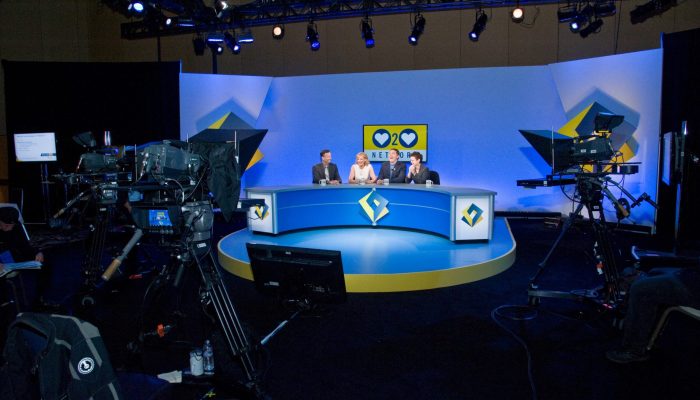
Successful hybrid production requires careful attention to audience engagement, technology choices, content delivery, and interaction design. A remote participant should not feel like a passive viewer, and an in-person attendee should not feel separated from the broader conversation.
For corporate communications leaders and production teams, hybrid experiences provide an opportunity to rethink how employees connect. The focus should remain on creating shared experiences that support understanding, participation, and alignment.
Building Stronger Employee Experiences Through Purposeful Planning
Organizations looking to improve engagement should begin by identifying the outcome they want to create. Are employees expected to understand a new strategy? Build confidence around a change? Develop new skills? Strengthen relationships across teams?
Once the goal is clear, every part of the experience can be designed around that objective. This includes the story being communicated, the format being used, the opportunities for participation, and the production approach supporting the experience.
- Start with the audience: Understand employee needs, expectations, and challenges before designing the experience.
- Connect content to action: Make sure employees understand how messages apply to their roles.
- Create opportunities for participation: Use interaction to encourage involvement and connection.
- Design for retention: Build experiences that help employees remember and apply key ideas.
These principles help transform internal communications from a message delivery exercise into a meaningful engagement opportunity. When employees feel connected to the experience, they are more likely to connect with the purpose behind it.
Meaningful employee experiences are not created through a single tactic or event element. They come from intentional design that combines clear objectives, relevant storytelling, and thoughtful audience engagement. For organizations focused on improving employee connection, the question is not only how to communicate more effectively, but how to create experiences that help people understand, participate, and move forward together.
Frequently Asked Questions
How can organizations improve employee engagement through meaningful experiences?
Organizations can improve employee engagement by creating experiences that connect employees to company goals, team priorities, and shared purpose. Meaningful employee experiences use intentional design, interaction, and storytelling to help people understand messages and take action.
What role do internal engagement events play in building a stronger company culture?
Internal engagement events help strengthen company culture by creating opportunities for employees to connect, participate, and align around shared objectives. When corporate meetings and live events are designed with a clear purpose, they can reinforce values and improve employee connection.
How can training experiences improve employee engagement and learning outcomes?
Training experiences improve employee engagement by moving beyond information delivery and creating opportunities for discussion, collaboration, and practical application. Experiential learning for employees helps teams retain knowledge and understand how new skills connect to their everyday responsibilities.
Disclaimer: The above helpful resources content contains general insights and perspectives for informational purposes only. The information provided is for general knowledge and does not constitute professional advice.
You may also be interested in: Why Production Quality Determines Hybrid Event Success
When your most important meeting, launch, summit, or training experience needs to move people, every detail matters. Strategy guides the work. Creativity shapes the story. Precision brings it to life. DEVLINHAIR Production & Learning designs and produces action-driven meetings, live events, and training experiences that move audiences. From our New York City studio, DEVLINHAIR helps organizations bring complex ideas, leadership priorities, and learning moments to life with clarity, purpose, and production precision. Ready to create a hybrid experience your audience can follow, feel, and act on? Let’s talk.
Powered by flareAI.co