Quick Listen:
When organizations bring people together for a product launch, leadership summit, training program, or major corporate meeting, the goal is rarely limited to delivering information. The real challenge is creating an experience that helps audiences understand the message, connect it to their role, and remember what happens next. That is why brand experiences have become an important consideration for teams responsible for communication, engagement, and business alignment.
A successful experience turns a message into something people can see, hear, discuss, and act on. Whether the setting is live, virtual, or hybrid, thoughtful experience design helps organizations move beyond one-way communication and create stronger connections with the audiences that matter most.
When your most important meeting, launch, summit, or training experience needs to move people, every detail matters. Strategy guides the work. Creativity shapes the story. Precision brings it to life. DEVLINHAIR Production & Learning designs and produces action-driven meetings, live events, and training experiences that move audiences. From our New York City studio, DEVLINHAIR helps organizations bring complex ideas, leadership priorities, and learning moments to life with clarity, purpose, and production precision. Ready to create a hybrid experience your audience can follow, feel, and act on? Let’s talk.
Brand Experiences Connect Messages with Meaningful Moments
Organizations often invest significant effort into developing strategic messages, but the impact of those messages depends on how effectively they reach an audience. A presentation, announcement, or training session may contain valuable information, but without the right structure and engagement, important ideas can be overlooked.
Brand experiences address this challenge by combining storytelling, environment, technology, production, and audience interaction. Instead of simply presenting information, they create a context where people can better understand why a message matters and how it connects to their own priorities.
This approach is particularly valuable for corporate moments where alignment is critical. A leadership summit may need to unite teams around a new direction. A product launch may need to make a complex offering easier to understand. A training experience may need to encourage retention and participation rather than passive attendance.
The strongest experiences begin with a clear purpose. They are designed around what the audience needs to understand, feel, and do after the experience ends.
The Importance of Brand Experiences Goes Beyond Visibility
Brand experiences are sometimes viewed only as opportunities for awareness or attention. However, their value extends further. Experiences can help organizations clarify ideas, strengthen relationships, and create moments that support long-term engagement.
Recent experiential marketing research highlights how live experiences are increasingly connected to outcomes such as brand education, purchase consideration, and audience engagement. The broader takeaway is that audiences often develop a deeper understanding of an organization when they actively participate in an experience rather than simply receive a message.
For corporate audiences, this distinction matters. Employees, partners, customers, and stakeholders are more likely to engage with information when the experience is designed around relevance and participation. A well-produced meeting or event does not simply communicate a message; it creates the conditions for that message to have an impact.
This is where brand experience strategy becomes an important part of communication planning. The question is not only what an organization wants to say, but how the audience will experience and respond to that message.
Experiential Marketing Trends Are Shifting Toward Participation
One of the clearest experiential marketing trends is the move from passive viewing toward active participation. Audiences increasingly expect experiences that invite involvement, encourage interaction, and create opportunities for meaningful connection.
Brand experience trends show that interactive design, personalization, sustainability considerations, and hands-on engagement are becoming central elements of successful experiences. The lesson for organizations is that participation should not be added as an afterthought. It should be part of the experience strategy from the beginning.
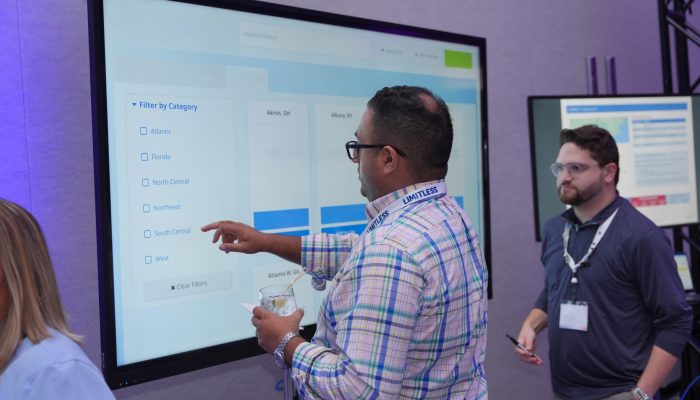
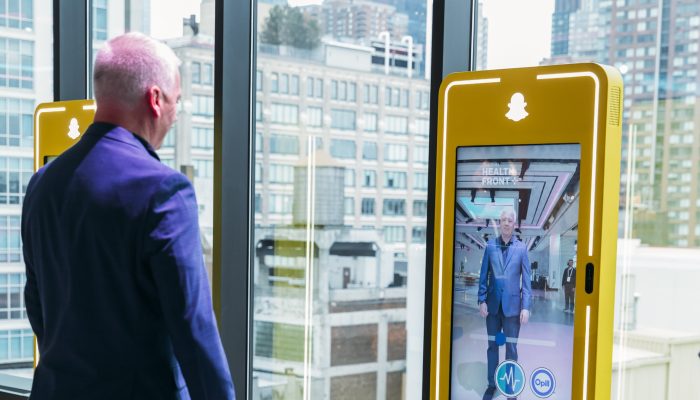
For corporate events and meetings, participation can take many forms. It may involve collaborative sessions, interactive demonstrations, audience response tools, discussion opportunities, or carefully designed environments that help attendees engage with a topic in a more meaningful way.
The goal is not interaction for its own sake. The goal is to create an experience that supports understanding and reinforces the purpose behind the gathering.
Strong Experiences Require Strategy, Creativity, and Production Precision
Creating memorable brand experiences requires more than a creative concept. Organizations need a clear connection between strategy, storytelling, production decisions, and audience outcomes.
For DEVLINHAIR Production & Learning, effective experience design starts with a strategic foundation. We design and produce action-driven meetings, live events, and training experiences that move audiences.
This approach reflects an important principle in experience design: every element should support the intended outcome. The format, technology, content flow, visuals, and production choices all influence how an audience receives and remembers a message.
For example, a training experience may require a different approach than a product launch. A leadership meeting may depend on clarity and alignment, while an immersive experience may focus on helping audiences connect emotionally with a concept or idea. The strongest solutions are built around the specific needs of the moment.
This level of intentional planning helps organizations avoid experiences that look impressive but lack purpose. The most effective experiences are those where creativity and execution work together to support a clear business objective.
Hybrid Capabilities Help Organizations Reach Broader Audiences
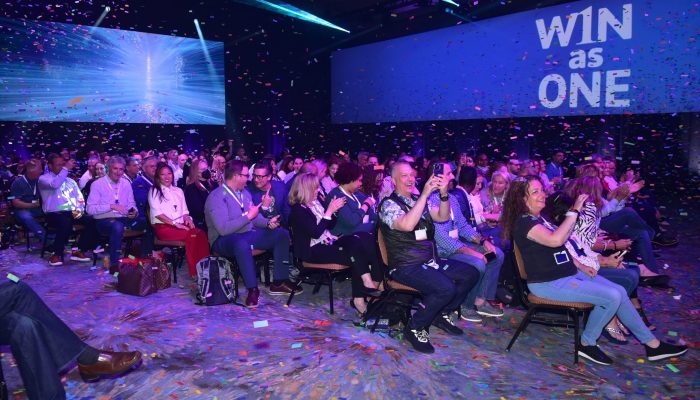
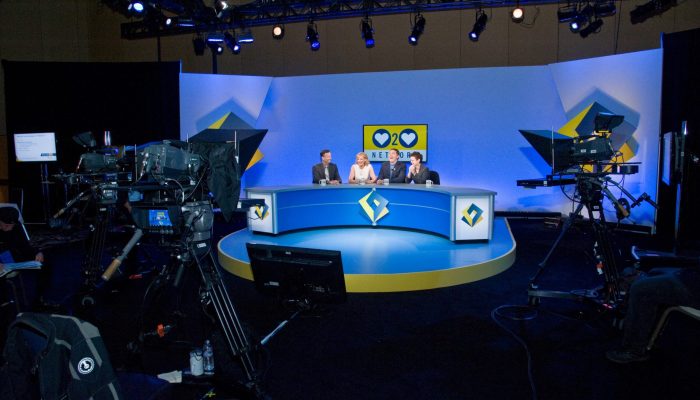
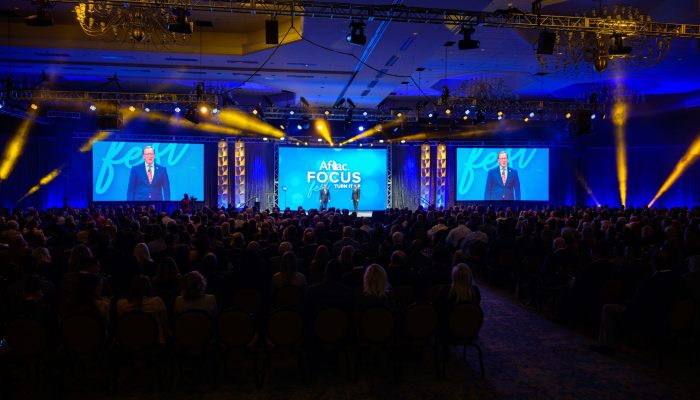
Hybrid experiences have become an established part of corporate communication strategies. After the rapid rise of hybrid events in 2022 and 2023, the focus has shifted from simply offering a remote option to designing experiences that work effectively across different audience environments.
Strong hybrid capabilities require thoughtful planning around participation, content delivery, technology, and audience connection. A successful hybrid experience should not treat remote attendees as observers. It should consider how every participant can engage with the same core message.
For meetings, training programs, and leadership communications, hybrid production can provide flexibility while maintaining the structure and engagement of a carefully designed event. The challenge is ensuring that both in-person and virtual audiences receive a consistent, valuable experience.
This requires a combination of production expertise and audience understanding. Technology can support connection, but the experience strategy determines whether people feel included and engaged.
Creating Memorable Brand Experiences Starts with Audience Understanding
The most effective experiences begin by understanding the people who will participate. Audience needs, expectations, knowledge levels, and desired outcomes should influence every stage of development.
For corporate experience teams, this means asking important questions before production begins. What does the audience need to learn? What action should they take afterward? What challenges or questions might affect their engagement? How can the experience make a complex message easier to understand?
These questions help transform events from information-sharing moments into opportunities for connection and alignment. They also support stronger audience engagement by ensuring that every component has a clear purpose.
Whether an organization is planning a sales meeting, leadership summit, training experience, or product launch, the focus should remain on creating meaningful interactions. Memorable experiences are not created simply through scale or technology. They are created through relevance, clarity, and thoughtful design.
Why Brand Experiences Will Continue to Shape Corporate Communication
Organizations continue to face the challenge of communicating effectively with audiences who are balancing more information, more channels, and more expectations. Brand experiences provide a way to bring important messages to life through carefully designed moments that encourage understanding and participation.
The future of experiential marketing is not defined only by new tools or formats. It is shaped by how effectively organizations use experiences to support their goals, whether that means aligning teams, introducing new ideas, strengthening relationships, or improving learning outcomes.
For teams responsible for meetings, events, and training, the opportunity is clear: experiences should be designed as strategic communication platforms rather than isolated moments. When strategy, creativity, and production come together, organizations can create experiences that leave audiences informed, connected, and ready to act.
Frequently Asked Questions
Why do brand experiences matter for corporate meetings and events?
Brand experiences matter because they help organizations turn important messages into meaningful interactions that audiences can better understand and remember. For corporate meetings, live events, and training experiences, thoughtful design supports stronger audience engagement, alignment, and connection.
How do brand experiences build customer connections?
Brand experiences build customer connections by creating opportunities for audiences to actively participate with a message, product, or idea instead of simply receiving information. A well-planned brand experience strategy uses storytelling, interaction, and production design to create more memorable and relevant moments.
What role do hybrid events play in creating memorable brand experiences?
Hybrid events help organizations create consistent experiences for both in-person and remote audiences when they are supported by strong hybrid capabilities and intentional design. Effective hybrid production focuses on audience participation, content delivery, and engagement so every participant can connect with the core message.
Disclaimer: The above helpful resources content contains general insights and perspectives for informational purposes only. The information provided is for general knowledge and does not constitute professional advice.
You may also be interested in: What Leaders Should Consider Before Expanding Hybrid Event Programs
When your most important meeting, launch, summit, or training experience needs to move people, every detail matters. Strategy guides the work. Creativity shapes the story. Precision brings it to life. DEVLINHAIR Production & Learning designs and produces action-driven meetings, live events, and training experiences that move audiences. From our New York City studio, DEVLINHAIR helps organizations bring complex ideas, leadership priorities, and learning moments to life with clarity, purpose, and production precision. Ready to create a hybrid experience your audience can follow, feel, and act on? Let’s talk.
Powered by flareAI.co