When organizations invest in a product launch, leadership meeting, training program, or brand gathering, the goal is rarely just to deliver information. The deeper challenge is helping audiences understand a message, connect it to their own priorities, and remember what happens next. Creative experiences build stronger brands because they transform communication from a one-way exchange into an opportunity for participation, connection, and shared meaning.
When your most important meeting, launch, summit, or training experience needs to move people, every detail matters. Strategy guides the work. Creativity shapes the story. Precision brings it to life. DEVLINHAIR Production & Learning designs and produces action-driven meetings, live events, and training experiences that move audiences. From our New York City studio, DEVLINHAIR helps organizations bring complex ideas, leadership priorities, and learning moments to life with clarity, purpose, and production precision. Ready to create a hybrid experience your audience can follow, feel, and act on? Let’s talk.
Why Creative Experiences Matter Beyond Traditional Brand Communication
Brands are often built through repeated interactions. A presentation, campaign message, or announcement may introduce an idea, but experiences give people a reason to engage with it. The difference is that audiences do not simply receive information; they interpret, discuss, and respond to what they encounter.
This shift has made experience design an important consideration for marketing teams, communications leaders, and organizations responsible for bringing people together. Whether the audience is employees, customers, partners, or stakeholders, the strongest experiences create a clear connection between the message and the moment.
A successful experience does not need to rely on complexity for its impact. It begins with understanding the audience, defining the desired outcome, and designing every element around that purpose. The environment, storytelling, content, technology, and production choices should all support the same central message.
This approach is especially valuable for corporate meetings, training experiences, leadership summits, and product launches where organizations need audiences to leave with more than awareness. They need people to understand, remember, and act.
Experiential Marketing and Brand Building Start with Meaningful Connections
Experiential marketing and brand building are most effective when they focus on relationships rather than simply creating attention. A memorable experience gives audiences a way to interact with a brand’s purpose, values, or message in a more direct way.
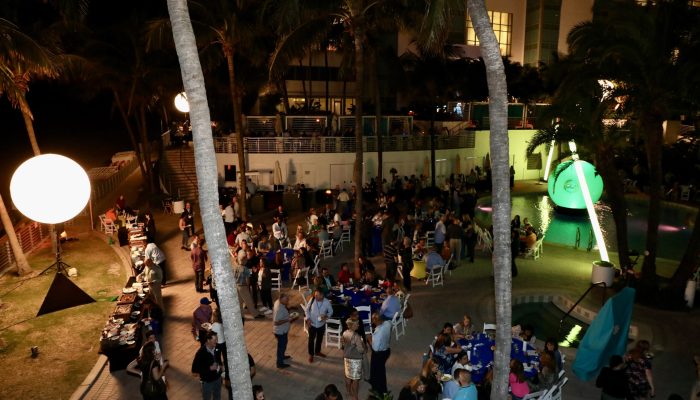
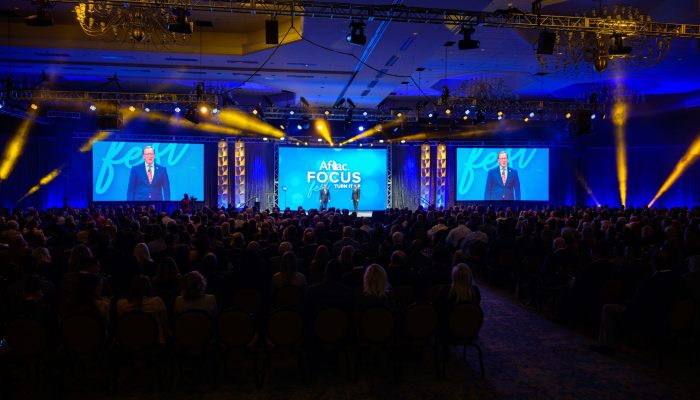
Creative experiences can take many forms. A leadership meeting may use storytelling and interactive elements to align teams around a strategy. A training experience may use scenario-based learning to help employees apply new information. A product launch may create demonstrations and environments that help audiences understand why an offering matters.
The strongest experiences are designed around audience needs. Instead of asking only what information must be shared, organizations can consider what audiences should feel, understand, or do after the experience ends.
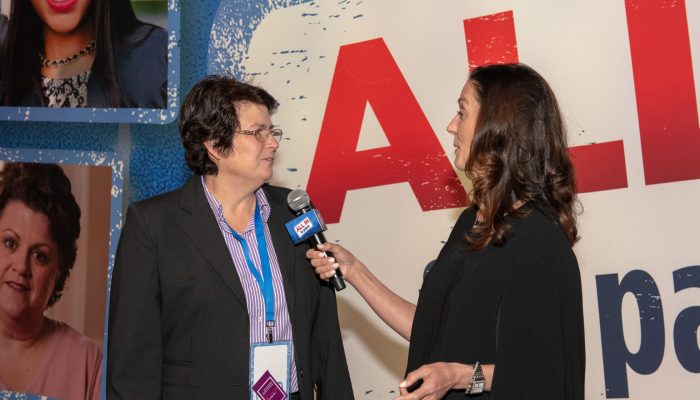
This audience-focused approach is also reflected in recent experiential programs designed for public engagement. For example, creative experiences that bring events to life showed how brands used participation, customization, games, and community interaction to create deeper involvement rather than simply placing messages in front of audiences.
Creative Brand Storytelling Helps Organizations Make Messages More Memorable
Every organization has important messages to communicate, but information alone does not always create understanding. Creative brand storytelling helps connect facts and ideas with a narrative structure that audiences can follow and remember.
For corporate audiences, storytelling can help simplify complex topics. A company introducing a new strategy may need employees to understand not only what is changing, but why the change matters. A training program may need participants to see how new knowledge applies to their daily responsibilities.
Experience design supports storytelling by creating a sequence of moments. The opening message, visual environment, speaker content, interactive elements, and follow-through activities can work together to reinforce a single idea.
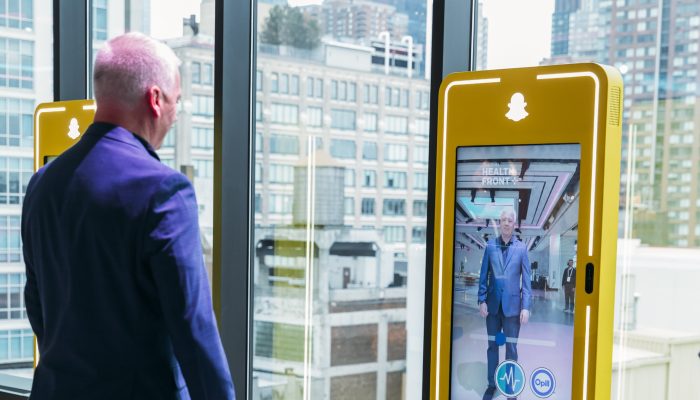
Immersive brand experiences demonstrate how storytelling can move beyond passive communication. Immersive brand experiences highlighted how interactive environments allow audiences to participate in stories through hands-on activities, personalized interactions, and shared moments.
For business leaders, the lesson is not that every experience needs to become a large-scale production. The opportunity is to identify where creative choices can make important messages clearer, more engaging, and easier to remember.
Brand Experience Strategy Connects Creativity with Business Objectives
A strong brand experience strategy begins with alignment. Before choosing formats, technology, or production elements, organizations need clarity on what the experience needs to accomplish.
Different business moments require different approaches. A sales meeting may focus on motivating teams and reinforcing priorities. A leadership summit may focus on alignment and collaboration. A training experience may focus on retention and practical application. A product launch may focus on helping audiences understand a new idea or offering.
Without a clear strategy, creative elements can become disconnected from the intended outcome. Visual effects, technology, or interactive features should support the message rather than distract from it.
For DEVLINHAIR Production & Learning, effective experience design starts with a clear strategic foundation. We design and produce action-driven meetings, live events, and training experiences that move audiences.
This perspective helps organizations approach experiences as strategic communication tools. The goal is not simply to create something memorable for its own sake, but to design moments that support understanding, engagement, and meaningful action.
Audience Engagement Depends on Thoughtful Experience Design
Audience engagement is often the difference between an experience people attend and an experience they remember. Engagement happens when audiences have opportunities to participate, contribute, explore, or connect ideas to their own experiences.
For corporate audiences, engagement can be built through practical activities, interactive discussions, collaborative formats, and carefully designed content flows. The right approach depends on the audience, the message, and the desired outcome.
Hybrid and virtual formats also require intentional design. Organizations need to consider how different audiences experience the same message when they are participating from different environments. Strong hybrid production requires more than adding a remote connection; it requires planning how every participant can remain involved.
Creative experiences help solve this challenge by focusing on the complete audience journey. From the first interaction to the final takeaway, every moment contributes to how people perceive the organization and its message.
How Organizations Can Create More Effective Brand Experiences
Building a stronger brand through experiences requires a thoughtful approach. Organizations planning meetings, events, launches, or training programs can improve outcomes by focusing on several key considerations.
- Start with the audience objective: Define what participants should understand, feel, or do after the experience.
- Align creative choices with the message: Use storytelling, production, and interactive elements to reinforce the purpose of the experience.
- Design for participation: Consider how audiences can engage with the content instead of only receiving information.
- Plan the full experience journey: Look beyond the main event moment and consider preparation, follow-through, and continued engagement.
These principles apply across many types of business experiences. Whether an organization is introducing a new direction, educating employees, connecting teams, or launching a product, the experience should support a clear business purpose.
Creative experiences are most valuable when they create alignment between an organization’s goals and an audience’s needs. That alignment is what turns an event or interaction into a meaningful brand moment.
The Role of Experience Design in Building Long-term Brand Relationships
Strong brands are built through consistent experiences that reinforce trust, understanding, and connection over time. A single event may create a memorable moment, but the lasting impact comes from how effectively that moment supports the broader relationship.
For organizations, this means treating meetings, training programs, launches, and other important gatherings as opportunities to communicate with purpose. Every experience sends a message about how a brand operates, what it values, and how it connects with its audiences.
Creative experiences build stronger brands because they help organizations move from simply sharing information to creating meaningful interactions. When strategy, storytelling, production, and audience engagement work together, experiences become a powerful way to strengthen relationships and bring important messages to life.
Frequently Asked Questions
How do creative experiences build stronger brands?
Creative experiences build stronger brands by turning brand messages into meaningful interactions that audiences can understand, remember, and connect with. Through strategic storytelling, audience engagement, and thoughtful experience design, organizations can create stronger relationships with customers, employees, and stakeholders.
How does experiential marketing strengthen brand building?
Experiential marketing strengthens brand building by creating opportunities for audiences to participate in and interact with a brand’s purpose, values, and message. For corporate meetings, product launches, and live events, experiential approaches help make communication more memorable and relevant.
What role does brand experience strategy play in corporate events and training experiences?
A brand experience strategy helps organizations align creative decisions with business goals, whether they are planning corporate meetings, training experiences, leadership summits, or product launches. It ensures that storytelling, production elements, and audience engagement work together to support understanding and meaningful action.
Disclaimer: The above helpful resources content contains general insights and perspectives for informational purposes only. The information provided is for general knowledge and does not constitute professional advice.
You may also be interested in: Immersive Experiences Are Becoming a Strategic Engagement Tool for 2026
When your most important meeting, launch, summit, or training experience needs to move people, every detail matters. Strategy guides the work. Creativity shapes the story. Precision brings it to life. DEVLINHAIR Production & Learning designs and produces action-driven meetings, live events, and training experiences that move audiences. From our New York City studio, DEVLINHAIR helps organizations bring complex ideas, leadership priorities, and learning moments to life with clarity, purpose, and production precision. Ready to create a hybrid experience your audience can follow, feel, and act on? Let’s talk.
Powered by flareAI.co