When organizations bring people together for a leadership summit, product launch, training program, or corporate meeting, the goal is rarely just to deliver information. The greater challenge is creating an experience that helps audiences understand the message, connect it to their role, and remember what the organization represents. This is where event experiences and brand identity become closely connected. A well-designed experience can transform a company’s values, priorities, and story into something attendees can see, hear, and engage with.
When your most important meeting, launch, summit, or training experience needs to move people, every detail matters. Strategy guides the work. Creativity shapes the story. Precision brings it to life. DEVLINHAIR Production & Learning designs and produces action-driven meetings, live events, and training experiences that move audiences. From our New York City studio, DEVLINHAIR helps organizations bring complex ideas, leadership priorities, and learning moments to life with clarity, purpose, and production precision. Ready to create a hybrid experience your audience can follow, feel, and act on? Let’s talk.
Why Event Experiences Have Become Extensions of Brand Identity
A brand is more than a visual identity or a collection of marketing messages. It is the way people understand an organization, what they associate with it, and how they describe their interactions with it. Events create an opportunity to make that identity tangible by turning strategic messages into physical and digital experiences.
Every element of an event contributes to how an audience perceives a brand. The environment, content flow, production choices, speaker moments, technology, and attendee interactions all influence whether the experience feels aligned with the organization’s purpose. When these components work together, an event becomes an extension of the brand rather than a separate communication channel.
For marketing teams and business leaders, this creates a valuable opportunity. Corporate events can reinforce trust, clarify complex messages, introduce new ideas, and help audiences develop a stronger connection with an organization. The most effective experiences do not simply display brand elements; they create moments where attendees understand the meaning behind them.
This approach is central to brand experience strategy. Instead of treating an event as a single moment on a calendar, organizations can view it as a carefully designed interaction that supports long-term relationships with employees, customers, partners, and stakeholders.
Design Choices Shape How Audiences Experience a Brand
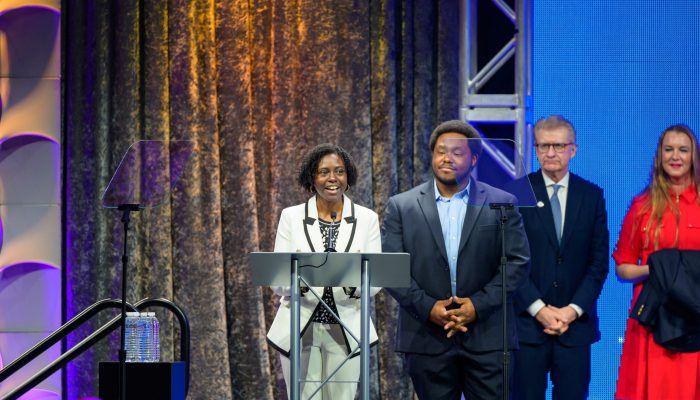
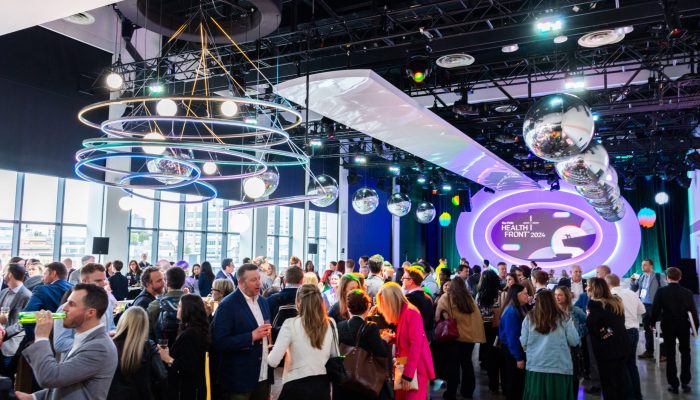
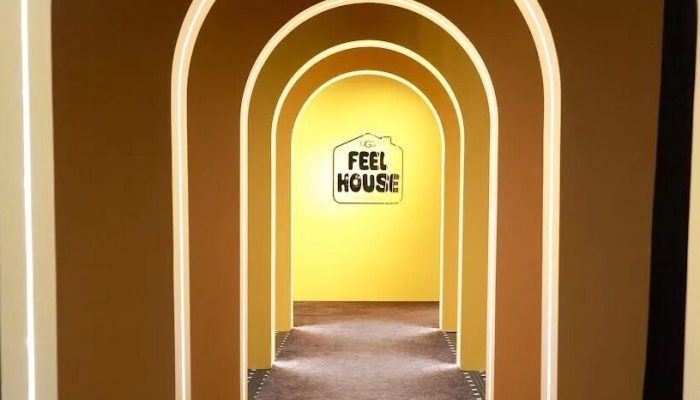
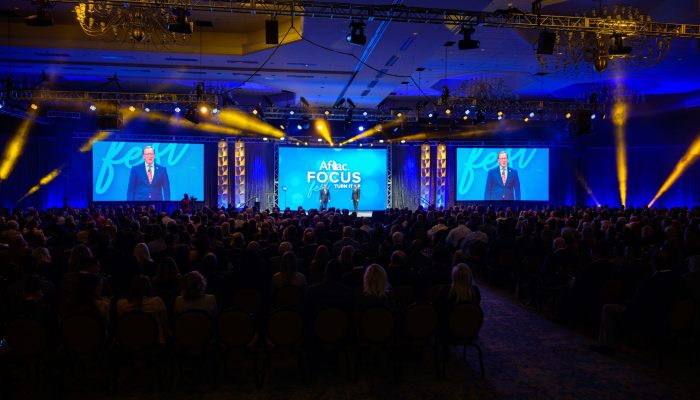
Visual identity plays an important role in helping attendees recognize and remember a brand during an event. Elements such as color systems, stage environments, signage, spatial design, and digital touchpoints can create a consistent experience that reflects an organization’s personality and priorities.
Event visual identity strategies show how thoughtful design choices can turn a gathering into a physical expression of a company’s identity. When visual decisions are connected to brand values, attendees are more likely to experience the event as a cohesive story rather than a series of disconnected moments.
This does not mean every detail needs to be heavily branded. Strong experiences often rely on balance. The goal is to create an environment where the brand feels present through the overall experience, including the way people move through a space, interact with content, and participate in conversations.
For example, a leadership summit focused on organizational change may require a different experience design approach than a product launch introducing a new solution. The event environment, messaging structure, and audience journey should reflect the purpose of the gathering and support the outcome leaders want to achieve.
Storytelling Helps Turn Messages Into Memorable Experiences
Successful events are built around more than schedules and presentations. They are structured around a story. Event storytelling strategy helps organizations determine what audiences need to understand, feel, and remember throughout the experience.
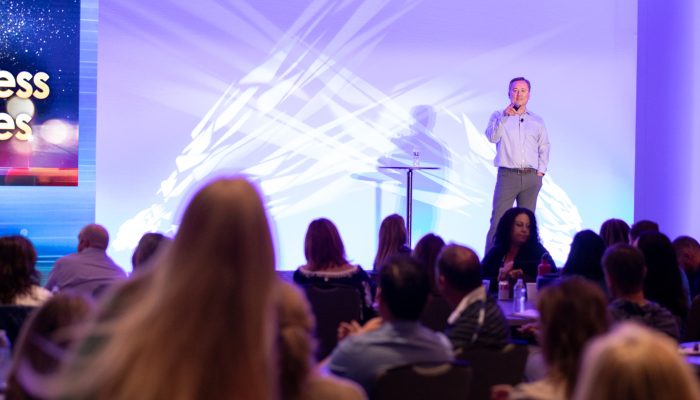
A strong narrative gives every part of an event a purpose. Opening moments can establish context, keynote sessions can reinforce important themes, and interactive elements can help attendees engage with ideas in a more meaningful way. This creates a connection between the organization’s message and the audience’s experience.
For training experiences, storytelling can make complex information easier to absorb. For product launches, it can help audiences understand why a new offering matters. For internal meetings, it can help teams connect business priorities with their daily responsibilities.
The most effective experiences consider the attendee journey from beginning to end. A participant’s first impression, the way information is presented, opportunities for interaction, and the final takeaway all contribute to how the brand is remembered.
Audience Engagement Makes Brand Messages More Meaningful
Engagement is one of the strongest ways events reinforce brand identity. Passive communication can share information, but participation allows audiences to experience a message directly.
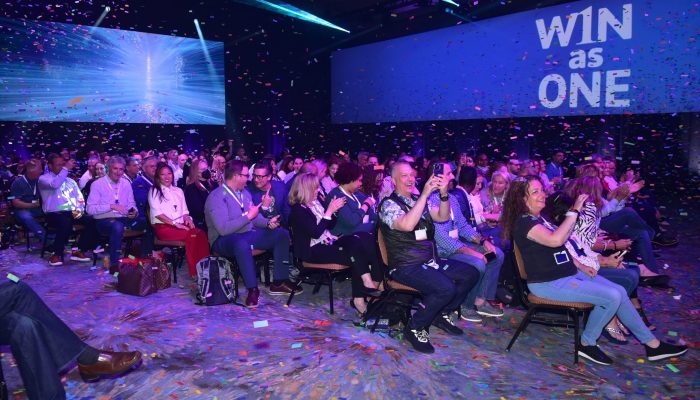
Modern experiential engagement strategies increasingly focus on creating opportunities for interaction, exploration, and participation. Experiential engagement trends demonstrate how successful experiences often move beyond simple brand visibility by encouraging audiences to become active participants in a story.
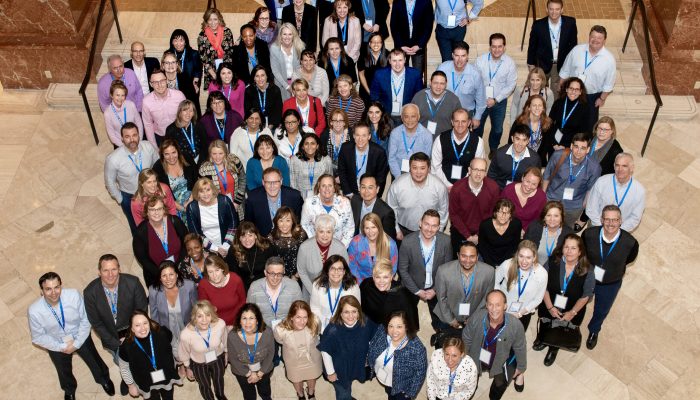
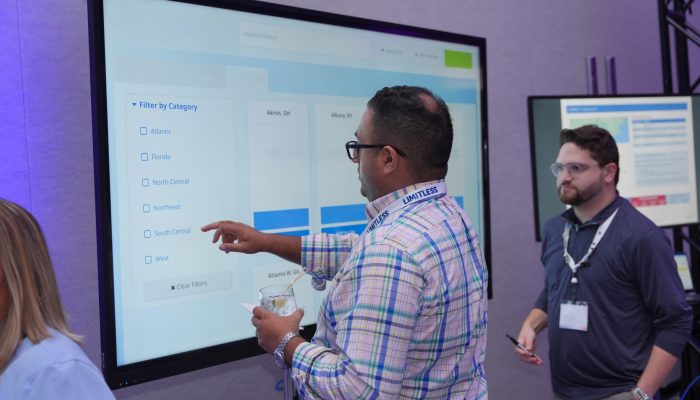
This principle applies across many types of corporate experiences. A training program may use interactive learning approaches to improve understanding. A sales meeting may create opportunities for teams to align around priorities. A product launch may allow attendees to explore a solution through demonstrations and conversations.
The value comes from creating a connection between the audience and the message. When people participate in an experience, they are more likely to understand the purpose behind it and remember the organization that created it.
Strategic Production Connects Creative Ideas with Business Goals
Creative concepts only become effective when they are supported by strong planning and execution. Event production teams play an important role in translating brand strategy into experiences that work in real-world environments.
For DEVLINHAIR Production & Learning, effective experience design starts with a clear strategic foundation. We design and produce action-driven meetings, live events, and training experiences that move audiences.
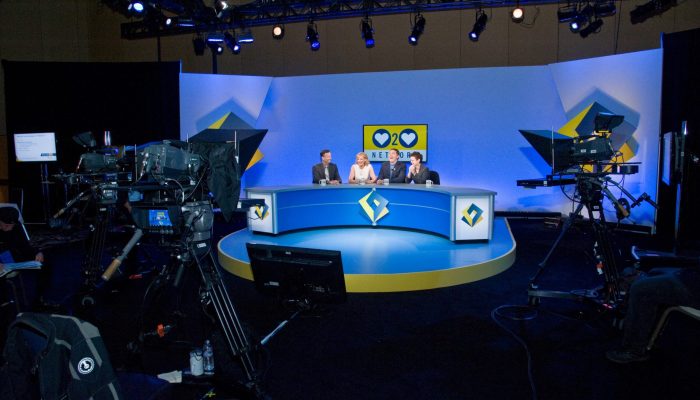
This approach recognizes that production decisions are not separate from brand communication. Technical planning, content delivery, audience flow, and creative execution all influence whether an experience successfully communicates its intended message.
Organizations planning corporate meetings, leadership summits, hybrid experiences, and training programs need experiences that are both engaging and purposeful. A strong production strategy helps ensure that creative ideas support measurable business priorities, from improving alignment to helping audiences take action after an event.
How Organizations Can Build More Consistent Brand Experiences
Creating memorable event experiences requires alignment between brand strategy, content, design, and audience needs. Organizations can strengthen their approach by considering several key questions before production begins:
- What should attendees understand? Define the core message and the outcomes the experience should support.
- How should audiences feel? Consider the emotions and associations the event should create.
- Where can participation add value? Identify opportunities for interaction, discussion, learning, or exploration.
- Does every element support the story? Review design, production, and content choices to ensure they reinforce the same purpose.
These considerations help transform events from isolated activities into meaningful brand touchpoints. Whether the audience is employees, customers, partners, or industry stakeholders, consistency between message and experience builds stronger recognition and trust.
Creating Events That Strengthen Long-term Brand Connections
Event experiences have the ability to reinforce brand identity because they allow organizations to move beyond communication and create connection. A successful experience gives audiences a clearer understanding of what a company stands for and why its message matters.
For marketing professionals, brand managers, and business leaders, the opportunity is to approach events as strategic experiences rather than standalone productions. When storytelling, design, audience engagement, and production strategy work together, events can become powerful expressions of organizational identity.
By focusing on purposeful experiences, organizations can create moments that are not only memorable during the event itself but continue to influence how audiences view and engage with the brand afterward.
Frequently Asked Questions
How do event experiences reinforce brand identity?
Event experiences reinforce brand identity by turning company values, messages, and stories into meaningful interactions that audiences can see and remember. Through strategic event design, storytelling, and audience engagement, corporate meetings, launches, and training experiences can create stronger connections with attendees.
Why is brand experience strategy important for corporate events?
A brand experience strategy helps organizations align event content, production choices, and attendee interactions with their broader business goals. It ensures that corporate events become more than information-sharing moments by creating consistent experiences that strengthen recognition and trust.
How can event production improve audience engagement during live and hybrid events?
Event production improves audience engagement by combining creative storytelling, technical execution, and intentional audience touchpoints. For live and hybrid events, thoughtful production planning helps teams deliver clear messages, encourage participation, and create experiences that support learning and connection.
Disclaimer: The above helpful resources content contains general insights and perspectives for informational purposes only. The information provided is for general knowledge and does not constitute professional advice.
You may also be interested in: Pharma Marketers Turn to Experiential Strategies for Differentiation
When your most important meeting, launch, summit, or training experience needs to move people, every detail matters. Strategy guides the work. Creativity shapes the story. Precision brings it to life. DEVLINHAIR Production & Learning designs and produces action-driven meetings, live events, and training experiences that move audiences. From our New York City studio, DEVLINHAIR helps organizations bring complex ideas, leadership priorities, and learning moments to life with clarity, purpose, and production precision. Ready to create a hybrid experience your audience can follow, feel, and act on? Let’s talk.
Powered by flareAI.co