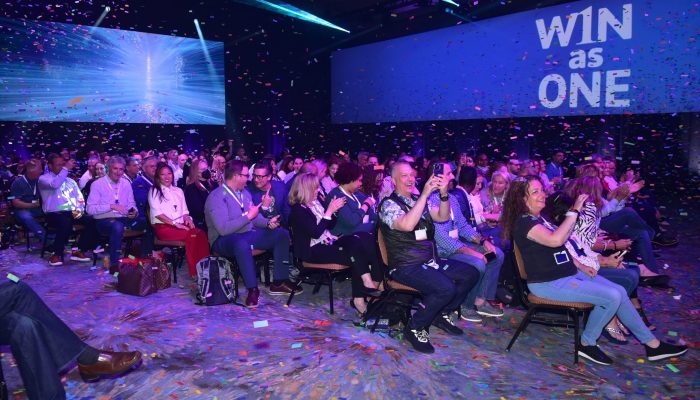
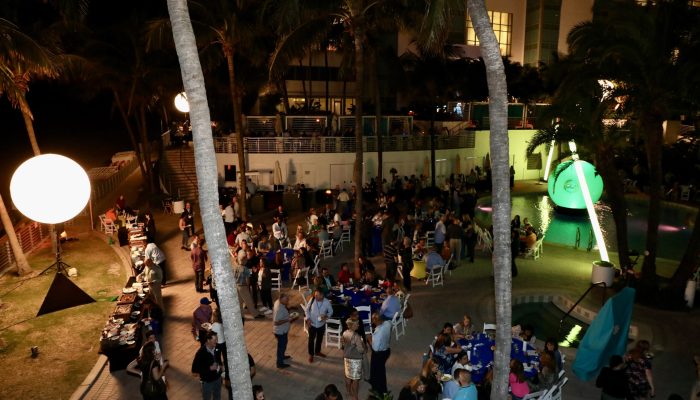
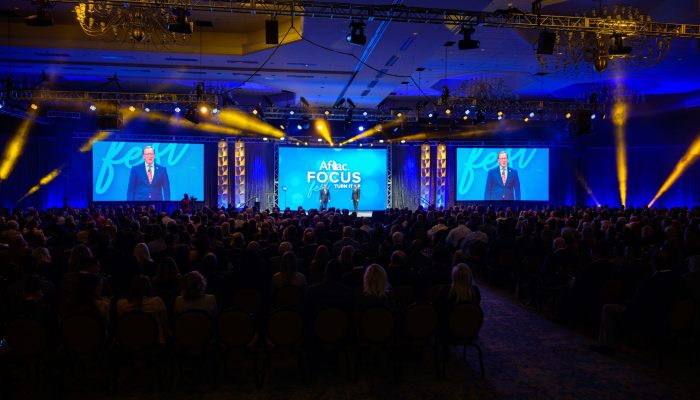
When organizations invest in a major product launch, leadership meeting, training experience, or brand moment, the challenge is rarely just getting attention. The bigger challenge is creating an experience that helps people understand a message, participate in the moment, and remember what matters after the event ends. Experiential brand activations are increasingly valuable because they give audiences a role in the story rather than asking them to simply receive information.
For marketing teams and business leaders evaluating modern marketing strategies, the question is not whether experiences can create impact. The more important question is how those experiences should be designed to support business objectives, audience relationships, and measurable outcomes. Effective activations combine creative thinking with careful planning, making every interaction serve a purpose.
When your most important meeting, launch, summit, or training experience needs to move people, every detail matters. Strategy guides the work. Creativity shapes the story. Precision brings it to life. DEVLINHAIR Production & Learning designs and produces action-driven meetings, live events, and training experiences that move audiences. From our New York City studio, DEVLINHAIR helps organizations bring complex ideas, leadership priorities, and learning moments to life with clarity, purpose, and production precision. Ready to create a hybrid experience your audience can follow, feel, and act on? Let’s talk.
Why Experiential Brand Activations Matter in Modern Marketing
Traditional marketing methods can communicate a message, but experiential marketing creates opportunities for audiences to interact with that message. A well-designed activation allows people to experience a brand idea through participation, conversation, demonstration, or shared moments.
This approach is especially relevant when organizations need to communicate something complex. A product launch may require audiences to understand a new solution. A leadership summit may need to align teams around a strategic direction. A training experience may need to turn information into action. In each case, the experience itself becomes part of the communication strategy.
The strongest experiential brand activations are not built around spectacle alone. They are built around purpose. The creative concept, production choices, audience journey, and messaging should all work together to support a clear outcome.
Current industry thinking reflects this shift. Event marketers are focusing less on creating impressive moments for their own sake and more on designing experiences that connect creativity with measurable business goals. Experiential marketing trends show how brands are prioritizing stronger engagement, thoughtful participation, and experiences that continue to create value beyond the live moment.
Moving Beyond Promotion Toward Meaningful Audience Engagement
A successful activation does more than present a brand. It creates a relationship between the audience and the message. This difference is important because people are more likely to remember experiences where they played an active role.
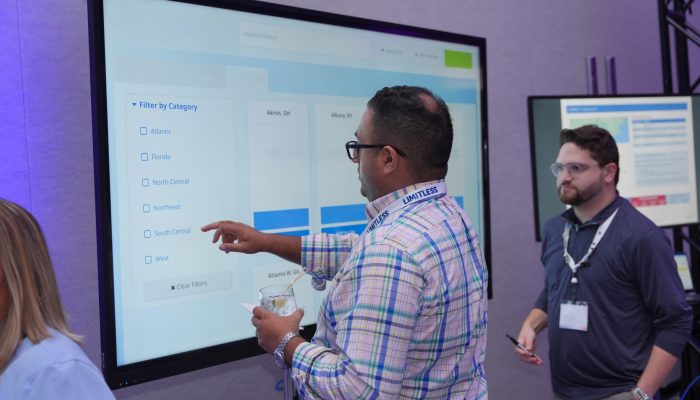
For corporate audiences, engagement can take many forms. A leadership team may participate in an interactive session designed to reinforce organizational priorities. Employees may take part in a learning environment that helps them apply new knowledge. Customers may explore a product through a demonstration that makes its benefits easier to understand.
These experiences work because they connect information with action. Instead of separating communication from participation, experiential approaches bring them together. The audience is not simply watching a presentation or receiving a message; they are involved in how that message is understood.
Authenticity is also a critical part of effective activation design. Audiences quickly recognize when an experience feels disconnected from a brand’s purpose. Authentic brand principles highlight the importance of creating experiences that feel relevant, natural, and aligned with audience expectations.
Connecting Creative Experiences with Business Objectives
Experiential campaigns are most effective when creativity is guided by strategy. A memorable environment, interactive feature, or engaging activity only creates value when it supports what the organization is trying to achieve.
Before developing an experience, teams should define the desired outcome. Is the goal to improve understanding of a product? Strengthen internal alignment? Support a training objective? Create a stronger connection between audiences and a brand message? Clear objectives help shape every decision that follows.
This strategic approach is particularly important for organizations managing complex events and communications. A product launch requires more than an engaging presentation. A corporate meeting requires more than logistics. A training program requires more than content delivery. Each experience needs thoughtful design to ensure the audience understands what to do with the information they receive.
DEVLINHAIR Production & Learning approaches experience design through this same connection between strategy, creativity, and execution. We design and produce action-driven meetings, live events, and training experiences that move audiences.
The Role of Production Strategy in Experience Design
Behind every effective activation is a production strategy that turns ideas into practical experiences. Strong concepts need the right technical planning, communication structure, and execution approach to succeed.
Production decisions influence how audiences experience a moment. The flow of an event, the clarity of messaging, the use of technology, and the transition between different parts of an experience all affect whether participants remain engaged.
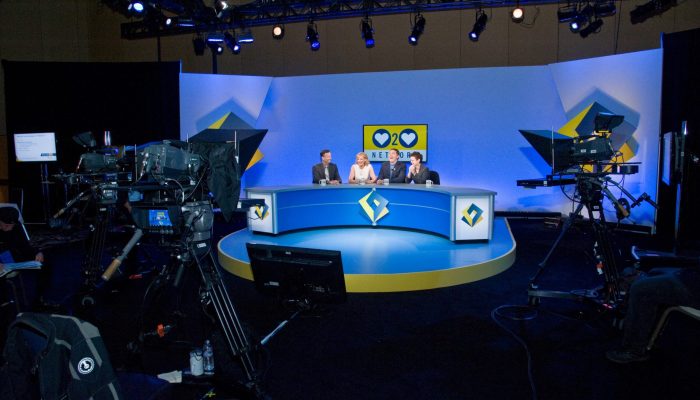
This is especially important for organizations creating hybrid or multi-format experiences. Audiences may participate in different ways, but each person should still feel connected to the central message. Designing for participation requires more than adding digital elements after an event has been planned. It requires considering the audience journey from the beginning.
Effective brand activation experiences balance creative ambition with operational discipline. The goal is not simply to produce something memorable; it is to produce something that works for the people experiencing it and the organization delivering it.
How Experiential Marketing Supports Stronger Brand Connections
The value of experiential marketing comes from its ability to create emotional and practical connections at the same time. People remember experiences that help them understand, participate, and feel connected to a larger purpose.
For customer-facing activations, this may involve creating opportunities for discovery and interaction. For internal audiences, it may involve helping employees connect with company goals or new initiatives. In both situations, the experience becomes a tool for communication.
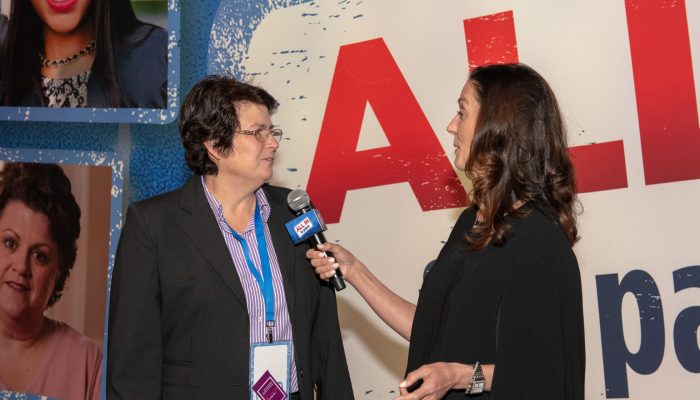
Modern organizations are also considering how experiences continue after the live event concludes. Content, conversations, and follow-up engagement can extend the value of an activation and help reinforce the original message.
This makes experiential approaches especially useful for teams looking to create more complete engagement strategies. Rather than treating an event as a single moment, organizations can view it as part of a broader relationship-building process.
What Leaders Should Consider When Planning an Activation
Organizations considering an experiential approach should begin by identifying the audience need before developing the creative concept. The strongest experiences solve a communication challenge instead of simply adding more activity.
- Define the purpose: Identify what the audience should understand, feel, or do after the experience.
- Design around the audience: Consider how participants will interact with the message and what will make the experience meaningful.
- Connect creativity with strategy: Ensure every element supports the organization’s broader goals.
- Plan for engagement beyond the event: Consider how the experience can continue through follow-up communication and content.
These principles help transform an activation from a one-time event into a strategic communication opportunity. Whether the focus is a launch, meeting, training experience, or brand moment, thoughtful design creates stronger connections between organizations and their audiences.
Building Experiences That Support Modern Marketing Goals
Experiential brand activations are suited to modern marketing because they address a growing need for meaningful interaction. Audiences are surrounded by information every day, making it increasingly important for organizations to create experiences that encourage attention, participation, and understanding.
The most effective activations combine storytelling, audience engagement, and production strategy. They are not defined only by what people see during an event, but by what people take away afterward.
For organizations evaluating how to bring important messages to life, experiential marketing offers a practical framework for creating stronger connections. By focusing on purpose, audience needs, and thoughtful execution, teams can develop experiences that support communication goals and create lasting impact.
Frequently Asked Questions
What are experiential brand activations and why do they matter in modern marketing?
Experiential brand activations are designed experiences that allow audiences to interact with a brand message through participation, storytelling, and engagement. They matter in modern marketing because they help organizations create memorable connections that go beyond simply delivering information.
How can experiential marketing improve audience engagement at corporate events and product launches?
Experiential marketing improves audience engagement by creating opportunities for people to actively participate in a message, product, or experience. For corporate events and product launches, thoughtful experience design can help audiences better understand key ideas and remember important takeaways.
How should organizations plan effective experiential brand activation experiences?
Organizations should begin by defining the purpose of the experience, understanding the audience, and aligning creative ideas with business objectives. Effective brand activation experiences combine strategy, production planning, and audience engagement to create meaningful moments that support communication goals.
Disclaimer: The above helpful resources content contains general insights and perspectives for informational purposes only. The information provided is for general knowledge and does not constitute professional advice.
You may also be interested in: Immersive Experiences Are Becoming a Strategic Engagement Tool for 2026
When your most important meeting, launch, summit, or training experience needs to move people, every detail matters. Strategy guides the work. Creativity shapes the story. Precision brings it to life. DEVLINHAIR Production & Learning designs and produces action-driven meetings, live events, and training experiences that move audiences. From our New York City studio, DEVLINHAIR helps organizations bring complex ideas, leadership priorities, and learning moments to life with clarity, purpose, and production precision. Ready to create a hybrid experience your audience can follow, feel, and act on? Let’s talk.
Powered by flareAI.co